
United States Initiates Naval Blockade and Mine-Clearing Operations Against Iran
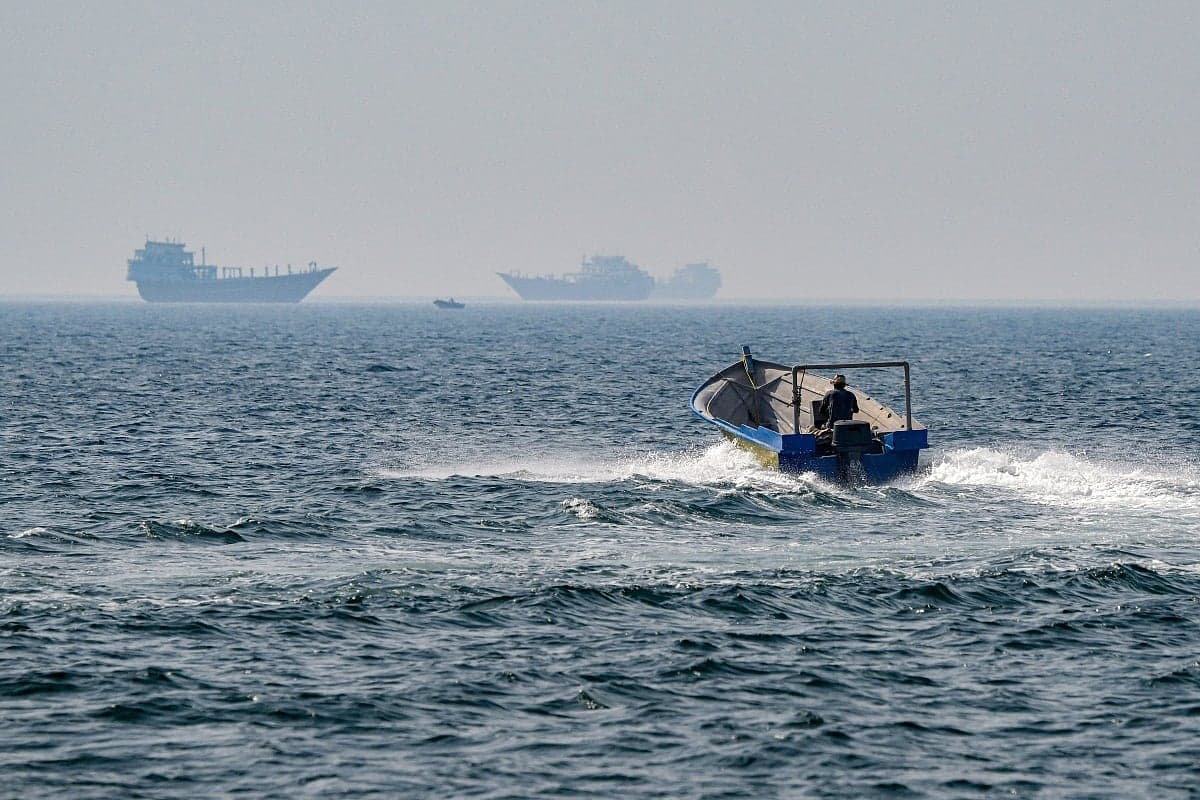
Here's what it means for you.
Rising oil prices and shipping costs could impact your daily expenses and business operations.
Why it matters
The blockade threatens a critical maritime route, potentially destabilizing global oil markets and increasing energy costs.
What happened (in 30 seconds)
- On April 11, 2026, the U.S. initiated mine-clearing operations in the Strait of Hormuz as part of a naval blockade against Iran.
- This blockade aims to disrupt Iranian oil exports and restore safe passage through a waterway crucial for 21% of global oil trade.
- Following the blockade, global oil prices surged to $127 per barrel, causing significant market reactions and increased shipping insurance premiums.
The context you actually need
- The U.S.-Iran conflict escalated after U.S.-Israeli strikes on February 28, 2026, leading to Iranian mine deployment in the Strait of Hormuz.
- Historical precedents include the 1980s Tanker War, where Iran's mining of the strait prompted U.S. military responses, highlighting the ongoing risks in this region.
- Iran's inventory of 5,000–6,000 mines poses a layered threat to U.S. naval operations, complicating efforts to ensure safe maritime navigation.
What's really happening
The U.S. naval blockade of Iran is a direct response to escalating tensions following joint U.S.-Israeli military actions that began on February 28, 2026. These strikes prompted Iran to retaliate by deploying naval mines in the Strait of Hormuz, effectively closing this vital waterway. The Strait of Hormuz is a critical chokepoint for global oil trade, handling approximately 21% of the world's oil supply. The blockade aims to interdict Iranian oil exports and restore safe passage for commercial vessels, but it also reflects a broader strategy to counter Iranian influence in the region.
The blockade was ordered by President Donald Trump after peace negotiations in Islamabad collapsed, primarily due to Iran's nuclear ambitions. This shift in strategy underscores the U.S. commitment to maintaining maritime security and protecting its allies' interests in the Gulf region. However, the operation faces significant challenges, particularly from Iran's asymmetric warfare tactics, which include the use of various types of naval mines that can threaten U.S. naval assets.
As the U.S. Navy deploys mine-clearing vessels, including Littoral Combat Ships and retired Avenger-class minesweepers, the operational strain is evident. Initial merchant vessel diversions have already occurred, indicating the blockade's immediate impact on global shipping routes. The rising oil prices, which have exceeded $127 per barrel, reflect market anxiety over potential supply disruptions and increased shipping costs, further complicating the economic landscape.
The blockade's implications extend beyond immediate military objectives; they resonate throughout global markets, affecting energy prices and shipping insurance premiums. Maritime insurers have doubled war risk premiums to 0.5% of vessel value, reflecting heightened risk perceptions. As the situation evolves, the U.S. faces the challenge of maintaining a unilateral approach to mine countermeasures while navigating the geopolitical complexities of the region.
Who feels it first (and how)
- Consumers: Higher fuel prices will increase transportation costs, affecting everyday expenses.
- Businesses reliant on oil: Companies in logistics and manufacturing will face increased operational costs due to rising oil prices.
- Maritime insurers: Increased premiums will impact shipping costs and profitability for shipping companies.
- UAE and Oman: Regional stability concerns may affect trade and economic relations.
What to watch next
- Oil price fluctuations: Continued volatility in oil prices will indicate the blockade's effectiveness and market reactions.
- Iran's military responses: Any retaliatory actions from Iran could escalate tensions and further disrupt maritime operations.
- International diplomatic efforts: Watch for potential negotiations or interventions from global powers that could alter the blockade's trajectory.
The U.S. has initiated a naval blockade and mine-clearing operations in the Strait of Hormuz.
Oil prices will continue to rise as the blockade impacts global supply chains.
The duration and effectiveness of the blockade remain uncertain, as do Iran's potential responses.
Frequently Asked Questions
- Why it matters?
- The blockade threatens a critical maritime route, potentially destabilizing global oil markets and increasing energy costs.
- What happened (in 30 seconds)?
- On April 11, 2026, the U.S. initiated mine-clearing operations in the Strait of Hormuz as part of a naval blockade against Iran. This blockade aims to disrupt Iranian oil exports and restore safe passage through a waterway crucial for 21% of global oil trade. Following the blockade, global oil prices surged to $127 per barrel, causing significant market reactions and increased shipping insurance premiums.
- What's really happening?
- The U.S. naval blockade of Iran is a direct response to escalating tensions following joint U.S.-Israeli military actions that began on February 28, 2026. These strikes prompted Iran to retaliate by deploying naval mines in the Strait of Hormuz, effectively closing this vital waterway. The Strait of Hormuz is a critical chokepoint for global oil trade, handling approximately 21% of the world's oil supply. The blockade aims to interdict Iranian oil exports and restore safe passage for commercial
- Who feels it first (and how)?
- Consumers: Higher fuel prices will increase transportation costs, affecting everyday expenses. Businesses reliant on oil: Companies in logistics and manufacturing will face increased operational costs due to rising oil prices. Maritime insurers: Increased premiums will impact shipping costs and profitability for shipping companies. UAE and Oman: Regional stability concerns may affect trade and economic relations.
- What to watch next?
- Oil price fluctuations: Continued volatility in oil prices will indicate the blockade's effectiveness and market reactions. Iran's military responses: Any retaliatory actions from Iran could escalate tensions and further disrupt maritime operations. International diplomatic efforts: Watch for potential negotiations or interventions from global powers that could alter the blockade's trajectory.
UAE-based English-language newspaper covering regional politics, economics, and global affairs.
"The National reflects Emirati policy perspectives while maintaining international editorial standards."
— A47 Editor
Three US aircraft carrier groups and 10 destroyers blockade Strait of Hormuz
The United States has deployed three aircraft carrier groups and ten destroyers to blockade the Strait of Hormuz, a critical maritime route for global oil shipments. This blockade was initiated following the collapse of peace negotiations between the...
UAE-based newspaper covering Gulf politics, society, and international developments.
"Gulf News is one of the UAE’s most prominent English-language publications."
— A47 Editor
Naval blockade of Iran, Hormuz mine-clearing: Can US pull it off alone?
The United States has initiated a blockade of the Strait of Hormuz, a strategic maritime route, following the collapse of peace talks with Iran. This military action, announced by President Donald Trump, aims to restrict Iranian maritime traffic and ...
A curated Gulf News feed featuring major stories across news, business, opinion, and lifestyle.
"Gulf News is a major UAE newspaper whose featured stories feed reflects a broad editorial mix shaped for a Gulf audience."
— A47 Editor
Naval blockade of Iran, Hormuz mine-clearing: Can US pull it off alone?
The United States has initiated a blockade of the Strait of Hormuz, a strategic maritime route, following the collapse of peace talks with Iran. This military action, announced by President Donald Trump, aims to restrict Iranian maritime traffic and ...
Regional and international reporting focused on Middle Eastern politics, diplomacy, and economics.
"Asharq Al-Awsat is a Saudi-owned international newspaper reflecting mainstream Gulf political perspectives."
— A47 Editor
What Does a ‘Blockade of the Blockade’ in the Strait of Hormuz Mean?
The Strait of Hormuz has been a focal point of geopolitical tensions, particularly with the recent U.S. blockade aimed at restricting maritime traffic. This blockade has led to significant disruptions, including a nearly seven-week closure that force...