
Trump Announces Closed-Door US-Iran Negotiations in Pakistan Following Ceasefire
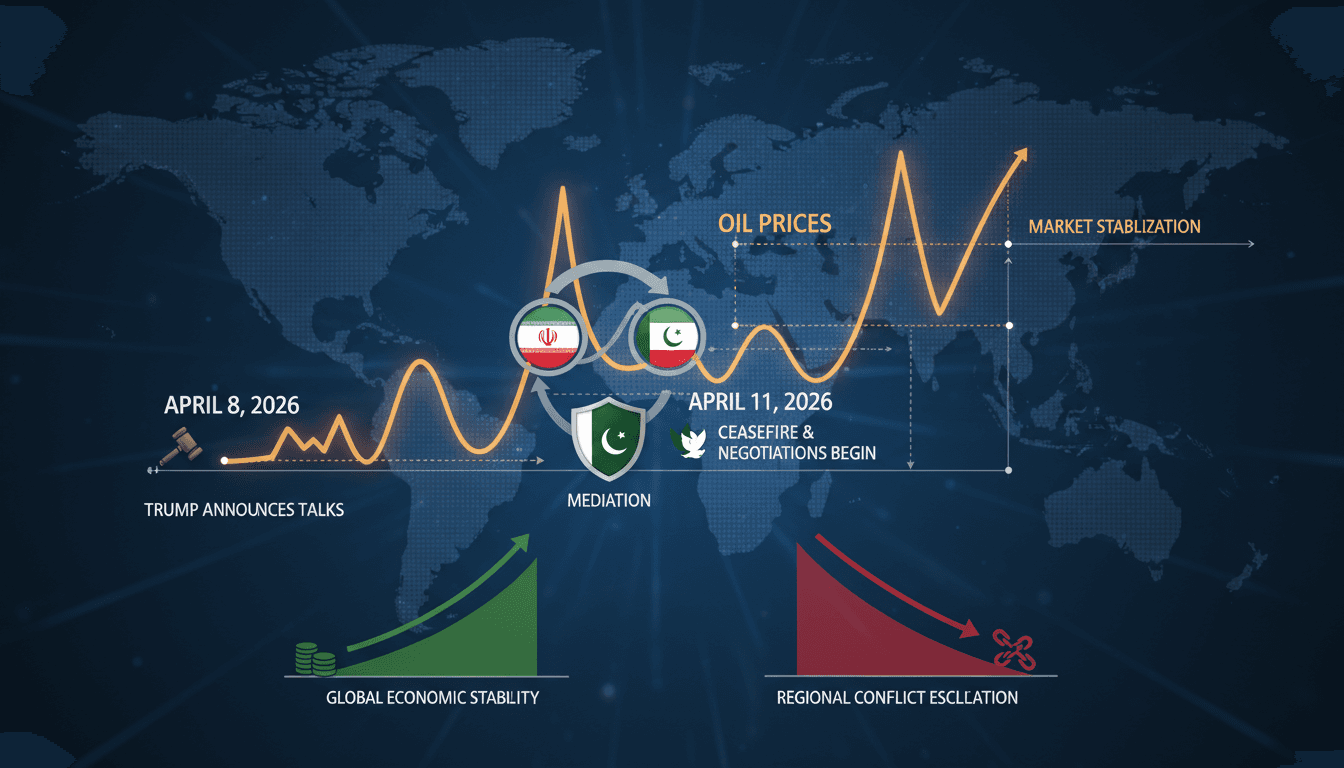
Here's what it means for you.
If you’re in the Gulf region, the outcome of these negotiations could directly impact oil prices and economic stability.
Why it matters
The U.S.-Iran negotiations could redefine geopolitical dynamics in the Middle East, affecting global oil markets and regional security.
What happened (in 30 seconds)
- Trump announced closed-door U.S.-Iran negotiations set to begin on April 11, 2026, in Islamabad, Pakistan.
- A ceasefire was agreed on April 8, 2026, following five weeks of escalating conflict and military actions.
- Pakistan is mediating the talks, positioning itself as a key diplomatic player after previous failed attempts at direct U.S.-Iran dialogue.
The context you actually need
- Escalated tensions between the U.S. and Iran stem from unresolved issues surrounding Iran's nuclear program, leading to military confrontations in 2025.
- The ceasefire was brokered by Pakistan after significant disruptions to oil production, estimated at a loss of 7-10 million barrels per day.
- Oil prices surged above $110 per barrel during the conflict, impacting economies in the Gulf, particularly in Dubai.
What's really happening
The closed-door negotiations between the U.S. and Iran represent a critical juncture in a long-standing conflict that has seen escalating military actions and severe economic repercussions. The backdrop of these talks is a two-week ceasefire that emerged after intense military engagements involving U.S. and Israeli forces targeting Iranian assets. This conflict has not only destabilized the region but has also led to significant disruptions in oil production, with analysts estimating losses of 7-10 million barrels per day.
The decision to hold negotiations behind closed doors indicates a strategic shift aimed at fostering a more controlled dialogue environment. President Trump emphasized the need for rapid progress based on predefined ceasefire points, suggesting a focus on tangible outcomes rather than public posturing. This approach is designed to minimize leaks and maintain leverage over the negotiations, reflecting a broader trend in international diplomacy where transparency is often sacrificed for strategic advantage.
Pakistan's role as a mediator is particularly noteworthy. By leveraging its diplomatic ties with both the U.S. and Iran, Pakistan has positioned itself as a crucial player in regional stability. This mediation effort follows a series of failed attempts at direct negotiations, highlighting the complexities of U.S.-Iran relations. The ceasefire, while fragile, provides a temporary reprieve from hostilities and opens a window for dialogue that could lead to a more sustainable resolution.
The implications of these negotiations extend beyond the immediate parties involved. The Gulf region, particularly cities like Dubai, is already feeling the economic strain from fluctuating oil prices and market instability. With oil prices previously surging due to the conflict, any resolution that stabilizes the situation could alleviate some of the financial pressures faced by businesses and consumers alike.
Moreover, the outcome of these talks could set a precedent for future U.S.-Iran relations and influence the behavior of other regional actors. If successful, it could pave the way for a broader dialogue on security and economic cooperation in the Middle East, potentially reshaping alliances and trade relationships.
Who feels it first (and how)
- Oil producers: Fluctuating oil prices directly impact revenue and operational stability.
- Consumers in the Gulf: Rising oil prices lead to increased costs of living and inflation.
- Investors: Market volatility affects investment decisions, particularly in energy and real estate sectors.
- Diplomatic entities: Countries involved in mediation or with vested interests in regional stability will closely monitor the outcomes.
What to watch next
- Oil price movements: Continued fluctuations will signal market reactions to the negotiations and potential resolutions.
- Statements from U.S. and Iranian officials: Any public comments could indicate the tone and direction of the talks.
- Regional diplomatic engagements: Watch for shifts in alliances or new mediation efforts from other countries as the situation evolves.
The negotiations are set to begin on April 11, 2026, in Islamabad.
Oil prices will remain volatile until a clear resolution emerges from the talks.
The long-term impact of the negotiations on U.S.-Iran relations and regional stability remains uncertain.
Frequently Asked Questions
- Why it matters?
- The U.S.-Iran negotiations could redefine geopolitical dynamics in the Middle East, affecting global oil markets and regional security.
- What happened (in 30 seconds)?
- Trump announced closed-door U.S.-Iran negotiations set to begin on April 11, 2026, in Islamabad, Pakistan. A ceasefire was agreed on April 8, 2026, following five weeks of escalating conflict and military actions. Pakistan is mediating the talks, positioning itself as a key diplomatic player after previous failed attempts at direct U.S.-Iran dialogue.
- What's really happening?
- The closed-door negotiations between the U.S. and Iran represent a critical juncture in a long-standing conflict that has seen escalating military actions and severe economic repercussions. The backdrop of these talks is a two-week ceasefire that emerged after intense military engagements involving U.S. and Israeli forces targeting Iranian assets. This conflict has not only destabilized the region but has also led to significant disruptions in oil production, with analysts estimating losses of 7
- Who feels it first (and how)?
- Oil producers: Fluctuating oil prices directly impact revenue and operational stability. Consumers in the Gulf: Rising oil prices lead to increased costs of living and inflation. Investors: Market volatility affects investment decisions, particularly in energy and real estate sectors. Diplomatic entities: Countries involved in mediation or with vested interests in regional stability will closely monitor the outcomes.
- What to watch next?
- Oil price movements: Continued fluctuations will signal market reactions to the negotiations and potential resolutions. Statements from U.S. and Iranian officials: Any public comments could indicate the tone and direction of the talks. Regional diplomatic engagements: Watch for shifts in alliances or new mediation efforts from other countries as the situation evolves.
Regional coverage and analysis focused on politics, diplomacy, and business across the Middle East.
"Al-Monitor is known for analytical reporting on Middle East politics and policy developments."
— A47 Editor
Trump says US-Iran talks will be behind closed doors
U.S. President Donald Trump announced that negotiations regarding the Iran crisis will take place behind closed doors, following a two-week ceasefire agreement aimed at de-escalating military tensions. Trump emphasized that only one group of meaningf...
Regional and international reporting focused on Middle Eastern politics, diplomacy, and economics.
"Asharq Al-Awsat is a Saudi-owned international newspaper reflecting mainstream Gulf political perspectives."
— A47 Editor
Trump Says US-Iran Talks Will Be Behind Closed Doors
U.S. President Donald Trump announced that discussions between the United States and Iran will take place behind closed doors, as diplomatic efforts continue amidst rising tensions in the region. This announcement follows a fragile ceasefire brokered...
Arabic-language UAE newspaper coverage focused on domestic affairs, public institutions, business, society, and regional developments.
"Al Khaleej coverage generally reflects a mainstream UAE editorial lens with strong attention to public affairs, institutions, and regional developments."
— A47 Editor
ترامب: النقاط الإيرانية الـ10 معقولة.. والمحادثات ستكون سرية
On Wednesday, U.S. President Donald Trump stated that discussions regarding the Iranian crisis will be conducted in secrecy, indicating a strategic approach to the ongoing tensions. He described the ten points raised by Iran as reasonable, suggesting...
Arabic-language political and world news coverage for UAE readers.
"Emarat Al Youm world coverage usually presents international developments through a UAE and Arab audience lens."
— A47 Editor
ترامب: المحادثات مع إيران ستعقد خلف الأبواب المغلقة.. ولبنان ليس جزءا من اتفاق وقف النار ترامب: المحادثات مع إيران ستعقد خلف الأبواب المغلقة.. ولبنان ليس جزءا من اتفاق وقف النار
U.S. President Donald Trump announced that discussions regarding the Iranian crisis will take place in closed sessions, emphasizing that Lebanon will not be part of any ceasefire agreement. This statement reflects ongoing diplomatic efforts and the c...