
Israeli Airstrikes in Lebanon Result in 254 Deaths Amid US-Iran Ceasefire Exclusion
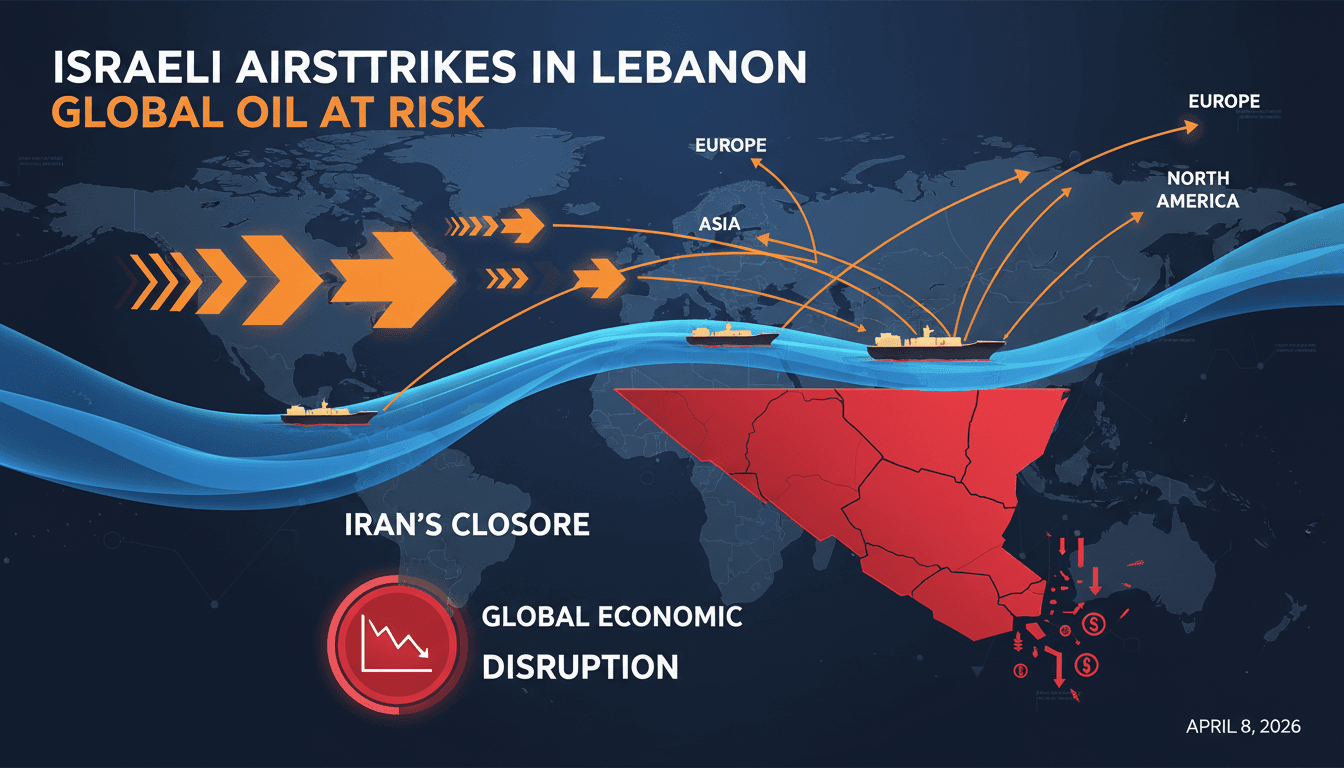
Here's what it means for you.
If you rely on fuel or international shipping, prepare for potential price surges and delays.
Why it matters
The ongoing conflict in Lebanon and the closure of the Strait of Hormuz could significantly impact global oil prices and supply chains.
What happened (in 30 seconds)
- Israel launched its largest strikes against Hezbollah in Lebanon, killing 254 people and targeting key command centers.
- U.S. President Trump declared the Lebanon conflict a 'separate skirmish', excluding it from the US-Iran ceasefire agreement.
- Iran responded by closing the Strait of Hormuz, threatening global shipping and escalating regional tensions.
The context you actually need
- The strikes occurred amid a five-week US-Iran war, which has already seen significant military losses for Iran, including its navy and air defenses.
- A fragile ceasefire was brokered by Pakistan, allowing for temporary de-escalation in some areas but explicitly excluding Israel's operations against Hezbollah.
- Lebanon's Prime Minister accused Israel of targeting civilians, highlighting the humanitarian crisis and the potential for further international condemnation.
What's really happening
On April 8, 2026, Israel executed a series of airstrikes and ground operations against Hezbollah, marking a significant escalation in the ongoing conflict. This military action, described as the largest since Operation Beepers, was initiated despite a fragile ceasefire that had been brokered just a day prior. The Israeli Defense Forces (IDF) urged residents in southern Beirut to evacuate as they targeted hundreds of Hezbollah command centers, resulting in a tragic death toll of 254 and over 1,165 wounded.
The U.S. administration, led by President Trump, has taken a distinct stance by categorizing the conflict in Lebanon as a "separate skirmish," effectively sidelining it from the broader US-Iran ceasefire agreement. This decision underscores the complexity of the geopolitical landscape, where regional conflicts can have far-reaching implications. Trump's comments reflect a strategic choice to maintain pressure on Hezbollah while navigating the delicate balance of U.S. interests in the region.
In response to the Israeli strikes, Iran has closed the Strait of Hormuz, a critical chokepoint for global oil shipments, warning that unauthorized vessels would be destroyed. This closure not only escalates tensions but also poses a significant threat to international shipping routes, particularly affecting oil supply chains. The International Air Transport Association (IATA) has already warned that recovery from fuel supply disruptions will take months, indicating that the ramifications of this conflict will be felt globally.
The situation is further complicated by the involvement of multiple actors, including Lebanon's government, which has called for a more inclusive approach to regional peace, and European leaders who are urging for de-escalation. The Israeli Defense Minister has claimed that the strikes inflicted the heaviest blow on Hezbollah since March, suggesting that the conflict may not be nearing resolution anytime soon.
The ongoing military operations in Lebanon, coupled with Iran's aggressive posture, create a precarious environment that could lead to further escalations. The international community is watching closely, as the potential for a wider conflict looms, impacting not just the Middle East but global markets and trade.
Who feels it first (and how)
- Dubai residents: Expect imminent fuel price surges and potential aviation disruptions due to the Strait of Hormuz closure.
- Global shipping companies: Face delays and increased costs as shipping routes are threatened.
- Energy-dependent industries: Will experience rising operational costs due to fluctuating fuel prices.
What to watch next
- Fuel price fluctuations: Monitor oil prices as the closure of the Strait of Hormuz impacts supply.
- International diplomatic efforts: Watch for any new initiatives aimed at de-escalating tensions in Lebanon and Iran.
- Military developments: Keep an eye on further Israeli operations and Iranian responses, which could shift the conflict dynamics.
The death toll from the Israeli strikes has reached 254, with significant casualties reported.
Fuel prices will rise in the short term due to supply chain disruptions.
The long-term implications of the conflict on regional stability and global markets remain uncertain.
Frequently Asked Questions
- Why it matters?
- The ongoing conflict in Lebanon and the closure of the Strait of Hormuz could significantly impact global oil prices and supply chains.
- What happened (in 30 seconds)?
- Israel launched its largest strikes against Hezbollah in Lebanon, killing 254 people and targeting key command centers. U.S. President Trump declared the Lebanon conflict a 'separate skirmish', excluding it from the US-Iran ceasefire agreement. Iran responded by closing the Strait of Hormuz, threatening global shipping and escalating regional tensions.
- What's really happening?
- On April 8, 2026, Israel executed a series of airstrikes and ground operations against Hezbollah, marking a significant escalation in the ongoing conflict. This military action, described as the largest since Operation Beepers, was initiated despite a fragile ceasefire that had been brokered just a day prior. The Israeli Defense Forces (IDF) urged residents in southern Beirut to evacuate as they targeted hundreds of Hezbollah command centers, resulting in a tragic death toll of 254 and over 1,16
- Who feels it first (and how)?
- Dubai residents: Expect imminent fuel price surges and potential aviation disruptions due to the Strait of Hormuz closure. Global shipping companies: Face delays and increased costs as shipping routes are threatened. Energy-dependent industries: Will experience rising operational costs due to fluctuating fuel prices.
- What to watch next?
- Fuel price fluctuations: Monitor oil prices as the closure of the Strait of Hormuz impacts supply. International diplomatic efforts: Watch for any new initiatives aimed at de-escalating tensions in Lebanon and Iran. Military developments: Keep an eye on further Israeli operations and Iranian responses, which could shift the conflict dynamics.
International coverage from The Guardian's global desks.
"The Guardian is known for its progressive editorial stance and in-depth analysis."
— A47 Editor
Trump vents frustation with Nato – as it happened
A provisional two-week ceasefire has been agreed upon between the United States and Iran, allowing for the reopening of the strategically vital Strait of Hormuz. This agreement follows escalating tensions and threats from President Donald Trump, who ...
Arabic-language UAE newspaper coverage focused on domestic affairs, public institutions, business, society, and regional developments.
"Al Khaleej coverage generally reflects a mainstream UAE editorial lens with strong attention to public affairs, institutions, and regional developments."
— A47 Editor
ترامب: لبنان ليس جزءاً من اتفاق وقف إطلاق النار مع إيران
On Wednesday, U.S. President Donald Trump stated in an interview with PBS that the ceasefire agreement between the United States and Iran does not include Israeli military operations in Lebanon. This clarification highlights the complexities of regio...
Capitol Hill news, legislation, and policy insight.
"The Hill specializes in U.S. politics and policy, with a focus on Capitol Hill developments and a reputation for insider reporting."
— A47 Editor
Trump calls barrage of attacks in Lebanon 'separate skirmish'
President Trump characterized the recent barrage of attacks in Lebanon as a 'skirmish' amidst escalating tensions following a fragile two-week ceasefire agreement between the U.S. and Iran. In a PBS Newshour interview, he clarified that Lebanon was n...
Global news coverage with extensive reporting on Middle Eastern conflicts and geopolitics.
"Al Jazeera is a Qatar-based broadcaster known for wide regional coverage and alternative perspectives."
— A47 Editor
Trump says Lebanon not included in US-Iran ceasefire amid Israeli assault
President Trump stated that Lebanon is not included in the recent US-Iran ceasefire agreement, which comes amid ongoing Israeli airstrikes across Lebanon that have resulted in numerous casualties. The conflict in Lebanon is described as a separate sk...
Comprehensive coverage of Middle Eastern and global issues.
"Al Jazeera is a prominent voice from the Global South, especially the Middle East, with an emphasis on underreported stories."
— A47 Editor
Trump says Lebanon not included in US-Iran ceasefire amid Israeli assault
President Trump stated that Lebanon is not included in the recent US-Iran ceasefire agreement, which comes amid ongoing Israeli airstrikes across Lebanon that have resulted in numerous casualties. The conflict in Lebanon is described as a separate sk...