
European NATO Allies Initiate Restructuring of Command Structure Amid US Withdrawal Concerns
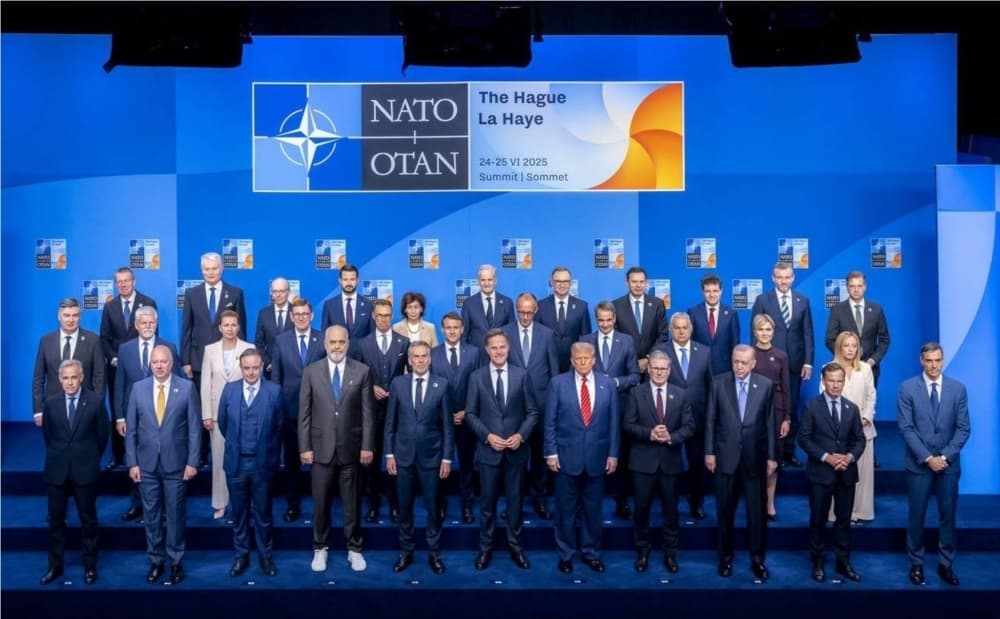
Here's what it means for you.
As NATO shifts command roles to European allies, businesses and professionals in the defense sector may see new opportunities and challenges.
Why it matters
This restructuring could redefine military alliances and defense spending across Europe, impacting global security dynamics.
What happened (in 30 seconds)
- European NATO consultations accelerated in April 2026, led by Germany and France, to create a 'European NATO' plan.
- All three of NATO's Joint Force Commands are now led by European officers following a February 2026 agreement.
- Concerns over US disengagement under President Trump prompted European allies to take greater responsibility in military planning and operations.
The context you actually need
- Transatlantic tensions have escalated since Donald Trump's return to the presidency, with criticisms directed at NATO allies and threats to reassess US commitments.
- European defense spending has surged, driven by the need for enhanced autonomy and a response to persistent Russian threats.
- The geopolitical landscape is shifting, as European nations seek to maintain collective defense without relying solely on US military support.
What's really happening
In February 2026, NATO allies reached a pivotal agreement redistributing command responsibilities, marking a significant shift in leadership dynamics within the alliance. For the first time, all three of NATO's Joint Force Commands—Norfolk (UK), Naples (Italy), and Brunssum (Germany-Poland rotational)—are now under European leadership. This change reflects a growing recognition among European nations of the need for greater autonomy in defense matters, particularly in light of the perceived unpredictability of US foreign policy under President Trump.
By April 2026, accelerated efforts led by Germany and France have emerged to expand this shift into a comprehensive 'European NATO' plan. Finnish President Alexander Stubb has advocated for a gradual transfer of responsibilities, emphasizing the importance of European nations taking the lead in military planning and operations. NATO Secretary General Mark Rutte has also affirmed the movement toward a more European-led alliance, indicating a collective commitment to maintaining deterrence against threats, particularly from Russia.
The backdrop to these developments includes a series of escalating tensions between the US and its European allies. Trump's administration has been marked by criticisms of NATO members as 'cowards' and threats to reassess US commitments to the alliance. This has prompted European nations to rethink their reliance on US military support, particularly in light of recent events such as the Strait of Hormuz blockade during the Iran conflict, where several European states withheld support.
The implications of this restructuring are profound. European nations are now tasked with filling gaps in nuclear and intelligence capabilities that have historically been supported by the US. This will require significant investment and time, as European leaders emphasize the need for continuity without undermining US leadership. However, the potential for punitive measures from the Trump administration, such as closing US bases in non-supportive allies like Spain or Germany, adds another layer of complexity to the situation.
As European defense stocks may benefit from increased spending pledges, the broader implications for global security dynamics are still unfolding. The ongoing NATO dialogues with Gulf states, including the UAE, highlight the interconnectedness of regional security and the potential for shifts in US priorities that could affect assurances against Iranian threats.
Who feels it first (and how)
- Defense contractors: Increased opportunities for contracts as European nations ramp up military spending.
- Military personnel: Changes in command structures may lead to new roles and responsibilities within NATO forces.
- Geopolitical analysts: Heightened demand for insights into shifting alliances and defense strategies.
- Energy market stakeholders: Potential impacts on energy security and market stability due to changing US priorities.
What to watch next
- European defense spending trends: Increased budgets could signal a long-term commitment to enhanced military capabilities.
- US foreign policy shifts: Any changes in the Biden administration's approach to NATO could influence European defense strategies.
- Russian military activities: Monitoring Russia's response to NATO's restructuring will be crucial for understanding regional security dynamics.
All three Joint Force Commands are now European-led.
European nations will continue to increase defense spending and responsibilities.
The long-term impact of US foreign policy changes on NATO's cohesion and effectiveness.
Frequently Asked Questions
- Why it matters?
- This restructuring could redefine military alliances and defense spending across Europe, impacting global security dynamics.
- What happened (in 30 seconds)?
- European NATO consultations accelerated in April 2026, led by Germany and France, to create a 'European NATO' plan. All three of NATO's Joint Force Commands are now led by European officers following a February 2026 agreement. Concerns over US disengagement under President Trump prompted European allies to take greater responsibility in military planning and operations.
- What's really happening?
- In February 2026, NATO allies reached a pivotal agreement redistributing command responsibilities, marking a significant shift in leadership dynamics within the alliance. For the first time, all three of NATO's Joint Force Commands—Norfolk (UK), Naples (Italy), and Brunssum (Germany-Poland rotational)—are now under European leadership. This change reflects a growing recognition among European nations of the need for greater autonomy in defense matters, particularly in light of the perceived unpr
- Who feels it first (and how)?
- Defense contractors: Increased opportunities for contracts as European nations ramp up military spending. Military personnel: Changes in command structures may lead to new roles and responsibilities within NATO forces. Geopolitical analysts: Heightened demand for insights into shifting alliances and defense strategies. Energy market stakeholders: Potential impacts on energy security and market stability due to changing US priorities.
- What to watch next?
- European defense spending trends: Increased budgets could signal a long-term commitment to enhanced military capabilities. US foreign policy shifts: Any changes in the Biden administration's approach to NATO could influence European defense strategies. Russian military activities: Monitoring Russia's response to NATO's restructuring will be crucial for understanding regional security dynamics.
Coverage of political affairs and regional developments from a Saudi perspective.
"Al Watan political coverage typically follows a mainstream Saudi framing of regional and national issues."
— A47 Editor
تشاور أوروبي لإعادة هيكلة الناتو
European countries within NATO are accelerating efforts to develop an unprecedented strategic plan aimed at ensuring the continuity of collective defense in Europe, in anticipation of a potential withdrawal of the United States under President Donald...
Arabic-language digital news outlet covering UAE, regional, and international developments with broad general-news coverage.
"Al Ain News coverage typically blends UAE-focused reporting with wider Arab regional and international news."
— A47 Editor
«ناتو بديل».. أوروبا تستعد لأمريكا بخطة طوارئ
European nations are undertaking unprecedented efforts to formulate a contingency plan that ensures the continent's ability to defend itself in the event of a potential U.S. withdrawal from NATO. This initiative reflects a significant shift in Europe...
Arabic-language coverage of political affairs and current events.
"Okaz political coverage typically follows mainstream Saudi framing on national and regional affairs."
— A47 Editor
تحسباً للانسحاب الأمريكي.. هل يُخطِّط الأوروبيون لتشكيل تحالف بديل لـ«الناتو»؟
European countries are reportedly accelerating plans for a contingency strategy to enhance their role within NATO, in anticipation of a potential U.S. withdrawal under President Donald Trump. The Wall Street Journal revealed that this unofficially na...