
US Military Plans to Board Iranian-Linked Ships as Ceasefire with Iran Weakens
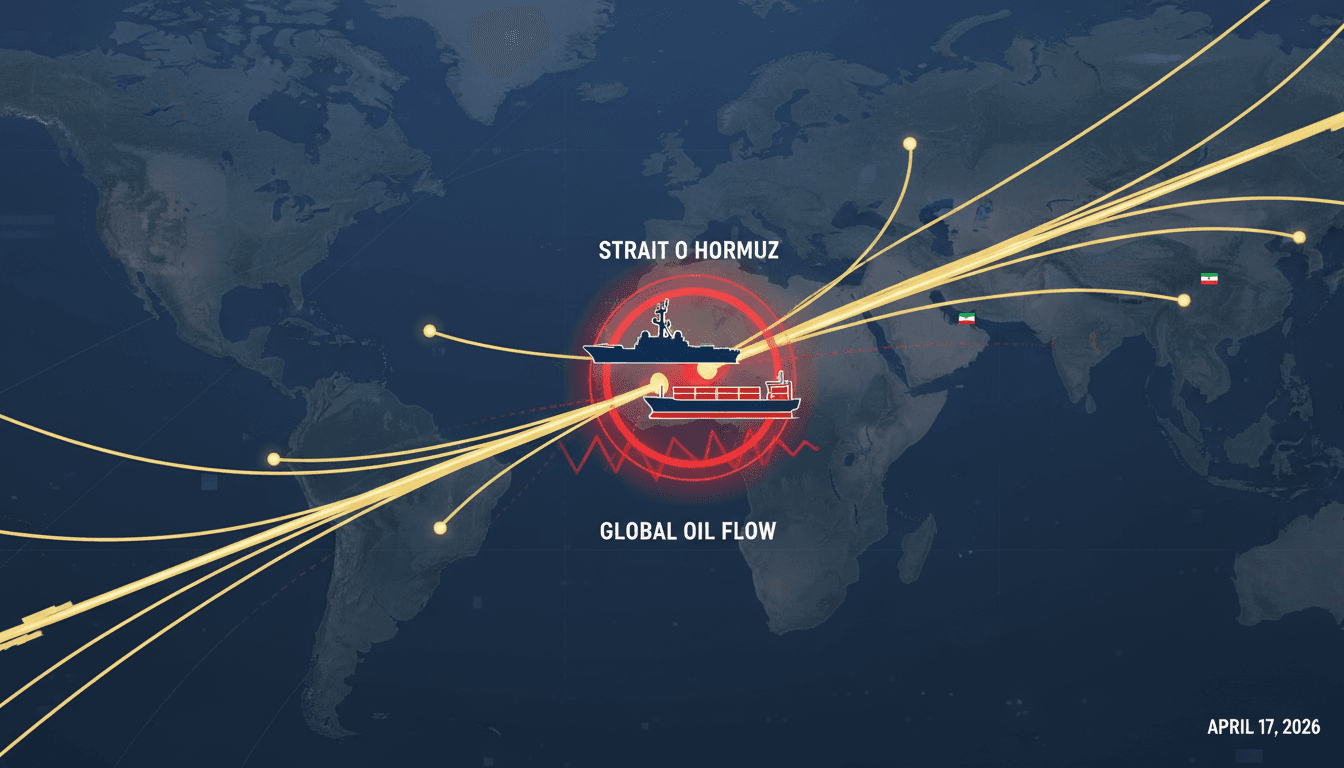
Here's what it means for you.
If you rely on global shipping or oil markets, prepare for potential disruptions and price volatility.
Why it matters
The Strait of Hormuz is a critical chokepoint for global oil transit, impacting energy prices and international trade.
What happened (in 30 seconds)
- On April 17, 2026, the U.S. military considered boarding Iranian-linked ships amid escalating tensions in the Strait of Hormuz.
- Iran reimposed restrictions on shipping, firing on commercial tankers and turning back approximately 20 vessels, citing U.S. blockade violations.
- President Trump dismissed Iran's actions as blackmail while affirming ongoing negotiations mediated by Pakistan, despite stalled talks over nuclear restrictions.
The context you actually need
- Tensions escalated from a U.S.-Israeli military campaign against Iran that began on February 28, 2026, leading to significant geopolitical instability.
- Peace talks in Islamabad collapsed on April 12, 2026, over Iran's refusal to commit to nuclear non-proliferation and U.S. demands for asset controls, resulting in a fragile ceasefire.
- The U.S. imposed a naval blockade on Iranian ports effective April 14, 2026, which Iran briefly countered by reopening the Strait of Hormuz before re-closing it amid accusations of U.S. violations.
What's really happening
The current situation in the Strait of Hormuz is a culmination of escalating military and diplomatic tensions between the U.S. and Iran. Following a series of U.S.-Israeli strikes against Iranian targets, Iran's military response has included closing the Strait of Hormuz, a vital passage for approximately 20% of the world's oil supply. This closure has significant implications for global oil prices and shipping logistics, as it disrupts the flow of goods and energy resources.
The U.S. military's consideration to board Iranian-linked ships is a strategic move aimed at enforcing its blockade and exerting pressure on Iran. This action reflects a broader strategy to curb Iran's influence in the region and to respond to what the U.S. perceives as aggressive actions by Iran, including the firing on commercial vessels. The U.S. administration, under President Trump, is attempting to leverage military readiness to strengthen its negotiating position, even as talks mediated by Pakistan remain stalled.
The implications of this military escalation extend beyond immediate geopolitical concerns. For global markets, particularly in oil and shipping, the potential for increased military action raises the specter of supply disruptions and price volatility. The U.S. has already seen fluctuations in oil prices, with recent reports indicating a drop of 10% on hopes of reopening the Strait, only to be followed by renewed uncertainty. This volatility can lead to increased costs for consumers and businesses reliant on stable energy prices.
Moreover, the situation is compounded by the humanitarian aspect, with approximately 20,000 seafarers stranded alongside hundreds of vessels in the Gulf due to the restrictions imposed by Iran. This not only affects the shipping industry but also has broader implications for global trade and supply chains, particularly for countries heavily reliant on imports.
As the U.S. prepares for potential boarding operations, the stakes are high. The risk of military confrontation could escalate tensions further, leading to retaliatory actions from Iran and potentially drawing in other regional players. The fragile ceasefire is set to expire soon, and without a diplomatic resolution, the likelihood of increased military engagement remains a pressing concern.
Who feels it first (and how)
- Shipping companies: Facing delays and increased costs due to potential military actions and shipping restrictions.
- Oil traders: Experiencing price volatility that affects profit margins and market stability.
- Consumers: Likely to see rising fuel prices and increased costs for goods due to disrupted supply chains.
- Geopolitical analysts: Monitoring the situation closely for implications on international relations and security dynamics in the Middle East.
- Seafarers: Directly impacted by the restrictions, facing uncertain working conditions and potential safety risks.
What to watch next
- Ceasefire expiration on April 22: This date is critical as it could lead to renewed military actions if negotiations fail.
- Oil price fluctuations: Watch for significant changes in oil prices, which could indicate market reactions to military developments or diplomatic breakthroughs.
- U.S. military deployments: Increased troop movements or naval presence in the region could signal an escalation in military readiness and potential boarding operations.
The U.S. military is considering boarding Iranian-linked ships as tensions escalate.
Oil prices will continue to fluctuate in response to developments in the Strait of Hormuz.
The outcome of ongoing negotiations mediated by Pakistan and whether they will lead to a lasting resolution.
Frequently Asked Questions
- Why it matters?
- The Strait of Hormuz is a critical chokepoint for global oil transit, impacting energy prices and international trade.
- What happened (in 30 seconds)?
- On April 17, 2026, the U.S. military considered boarding Iranian-linked ships amid escalating tensions in the Strait of Hormuz. Iran reimposed restrictions on shipping, firing on commercial tankers and turning back approximately 20 vessels, citing U.S. blockade violations. President Trump dismissed Iran's actions as blackmail while affirming ongoing negotiations mediated by Pakistan, despite stalled talks over nuclear restrictions.
- What's really happening?
- The current situation in the Strait of Hormuz is a culmination of escalating military and diplomatic tensions between the U.S. and Iran. Following a series of U.S.-Israeli strikes against Iranian targets, Iran's military response has included closing the Strait of Hormuz, a vital passage for approximately 20% of the world's oil supply. This closure has significant implications for global oil prices and shipping logistics, as it disrupts the flow of goods and energy resources. The U.S. military'
- Who feels it first (and how)?
- Shipping companies: Facing delays and increased costs due to potential military actions and shipping restrictions. Oil traders: Experiencing price volatility that affects profit margins and market stability. Consumers: Likely to see rising fuel prices and increased costs for goods due to disrupted supply chains. Geopolitical analysts: Monitoring the situation closely for implications on international relations and security dynamics in the Middle East. Seafarers: Directly impacted by the
- What to watch next?
- Ceasefire expiration on April 22: This date is critical as it could lead to renewed military actions if negotiations fail. Oil price fluctuations: Watch for significant changes in oil prices, which could indicate market reactions to military developments or diplomatic breakthroughs. U.S. military deployments: Increased troop movements or naval presence in the region could signal an escalation in military readiness and potential boarding operations.
Macro commentary, policy analysis, growth/inflation themes, and global outlooks.
"Contextual macro coverage that complements day-to-day market headlines."
— A47 Editor
U.S. considers plan to board Iranian ships as ceasefire teeters
The U.S. is contemplating a plan to board Iranian ships as tensions escalate and a ceasefire in the region appears to be faltering. This decision comes amid conflicting reports regarding the status of the Strait of Hormuz, which is crucial for global...
English-language reporting on Saudi politics, policy, and society.
"Saudi Gazette reflects mainstream Saudi institutional perspectives."
— A47 Editor
Tanker fired upon near Hormuz as tensions rise
A tanker was reportedly fired upon by two gunboats associated with the Islamic Revolutionary Guard Corps (IRGC) in the waters between Iran and Oman, specifically near the Strait of Hormuz. The UK Maritime Trade Operations confirmed that the tanker’s ...
UAE-based English-language newspaper covering regional politics, economics, and global affairs.
"The National reflects Emirati policy perspectives while maintaining international editorial standards."
— A47 Editor
Iran tightens control over Hormuz as Trump says 'US can't be blackmailed'
Iran has tightened its control over the Strait of Hormuz, declaring it closed again shortly after a brief reopening, which has forced numerous commercial vessels to abandon their navigation attempts. This closure is attributed to ongoing tensions ste...
Comprehensive coverage of Middle Eastern and global issues.
"Al Jazeera is a prominent voice from the Global South, especially the Middle East, with an emphasis on underreported stories."
— A47 Editor
Gunfire reported by vessel in Strait of Hormuz
Gunfire was reported by a maritime agency, indicating that a tanker was fired upon by gunboats in the Strait of Hormuz, a crucial maritime route for global oil shipments. This incident highlights the ongoing volatility in the region, exacerbated by r...
Breaking news, politics, business, and entertainment from the U.S. and around the world.
"The New York Post is a tabloid-format newspaper known for its sensationalist headlines and conservative-leaning editorial tone."
— A47 Editor
Iran fires on tanker near Oman after re-closing Strait of Hormuz
Iran's Islamic Revolutionary Guard Corps (IRGC) fired upon a tanker approximately 20 nautical miles northeast of Oman, as reported by the vessel's master. This incident occurred around 1 p.m. local time and was described as unprovoked, highlighting o...