
Israel Excluded from U.S.-Iran Ceasefire Talks as Trump Accepts Iran's Proposal
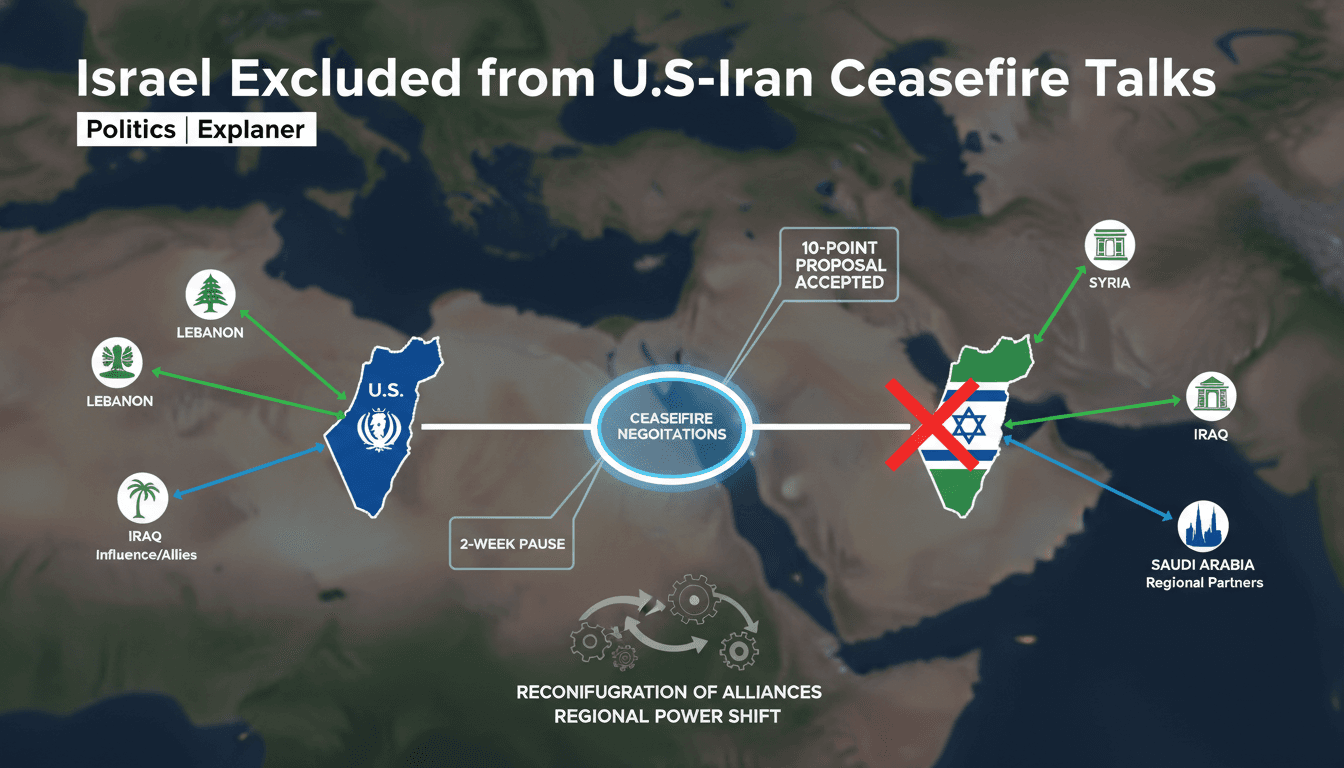
Here's what it means for you.
The evolving U.S.-Iran negotiations could reshape energy markets and geopolitical alliances, impacting global trade dynamics.
Why it matters
The exclusion of Israel from these talks signals a potential shift in U.S. foreign policy and regional power balances.
What happened (in 30 seconds)
- Trump endorsed Iran's 10-point proposal as a reasonable basis for ceasefire negotiations, leading to a two-week truce.
- Israel was excluded from direct negotiations, receiving late notification of the agreement, which has raised tensions.
- Global oil prices dropped by 15% following the announcement, reflecting market reactions to the ceasefire.
The context you actually need
- U.S.-Iran tensions escalated due to military actions and threats over the Strait of Hormuz, prompting Iran's counterproposal.
- Iran's 10-point proposal demands cessation of hostilities against itself and allies in Lebanon, Yemen, and Iraq, complicating regional dynamics.
- Turkey and Pakistan are involved in discussions to prevent ceasefire sabotage and promote lasting peace, indicating broader regional implications.
What's really happening
The recent U.S.-Iran ceasefire negotiations mark a significant pivot in Middle Eastern diplomacy, with President Trump characterizing Iran's 10-point proposal as a "workable basis" for discussions. This endorsement is crucial, as it suggests a willingness to engage with Iran on terms that had previously been deemed unacceptable. The two-week ceasefire, announced on April 8, 2026, is contingent upon reopening the Strait of Hormuz, a vital shipping lane for global oil supplies, and acceptance of Iran's demands.
The exclusion of Israel from these negotiations is particularly noteworthy. Historically, Israel has been a key player in U.S. Middle Eastern policy, often influencing Washington's stance towards Iran. Trump's late consultation with Israeli Prime Minister Benjamin Netanyahu, who reluctantly agreed to the ceasefire, highlights a delicate balancing act. Israel's displeasure stems from concerns that the terms favor Iranian interests in Lebanon and other regional conflicts, potentially undermining its security.
The backdrop of these negotiations includes heightened military actions by the U.S. and Israel against Iranian targets, which have escalated tensions in the region. Iran's proposal is a direct response to these aggressions, aiming to secure its position and that of its allies. The conditional ceasefire reflects a strategic pause, allowing both sides to reassess their positions while avoiding further escalation.
Market reactions have been swift. The announcement of the ceasefire led to a 15% decline in global oil prices, benefiting economies reliant on oil imports, such as the UAE. This drop in prices is a clear indicator of how geopolitical events can ripple through global markets, affecting everything from energy costs to stock market performance.
As the negotiations unfold behind closed doors, the potential for a broader peace agreement hinges on the willingness of all parties to compromise. Turkish President Erdoğan's involvement underscores the importance of regional players in facilitating dialogue, while Iran's call for international pressure on aggressors reflects its desire for a more stable environment.
Who feels it first (and how)
- Energy sector professionals: Fluctuations in oil prices directly impact their operations and profitability.
- Investors in global markets: Changes in geopolitical stability can influence stock market trends and investment strategies.
- Residents of Dubai and the UAE: Reduced fuel costs from declining oil prices can enhance disposable income and economic activity.
What to watch next
- Further developments in negotiations: Continued dialogue between U.S. and Iranian officials will indicate the potential for a lasting peace agreement.
- Market reactions to geopolitical shifts: Pay attention to oil price trends and stock market performance as indicators of investor sentiment.
- Responses from regional allies: How countries like Turkey and Pakistan navigate their roles in the negotiations could shape future alliances and conflicts.
The U.S. and Iran are engaged in ceasefire negotiations, with a two-week truce currently in effect.
Israel will continue to express concerns over the negotiations and may seek to influence U.S. policy.
The long-term implications of the ceasefire on regional stability and energy markets remain to be seen.
Frequently Asked Questions
- Why it matters?
- The exclusion of Israel from these talks signals a potential shift in U.S. foreign policy and regional power balances.
- What happened (in 30 seconds)?
- Trump endorsed Iran's 10-point proposal as a reasonable basis for ceasefire negotiations, leading to a two-week truce. Israel was excluded from direct negotiations, receiving late notification of the agreement, which has raised tensions. Global oil prices dropped by 15% following the announcement, reflecting market reactions to the ceasefire.
- What's really happening?
- The recent U.S.-Iran ceasefire negotiations mark a significant pivot in Middle Eastern diplomacy, with President Trump characterizing Iran's 10-point proposal as a "workable basis" for discussions. This endorsement is crucial, as it suggests a willingness to engage with Iran on terms that had previously been deemed unacceptable. The two-week ceasefire, announced on April 8, 2026, is contingent upon reopening the Strait of Hormuz, a vital shipping lane for global oil supplies, and acceptance of I
- Who feels it first (and how)?
- Energy sector professionals: Fluctuations in oil prices directly impact their operations and profitability. Investors in global markets: Changes in geopolitical stability can influence stock market trends and investment strategies. Residents of Dubai and the UAE: Reduced fuel costs from declining oil prices can enhance disposable income and economic activity.
- What to watch next?
- Further developments in negotiations: Continued dialogue between U.S. and Iranian officials will indicate the potential for a lasting peace agreement. Market reactions to geopolitical shifts: Pay attention to oil price trends and stock market performance as indicators of investor sentiment. Responses from regional allies: How countries like Turkey and Pakistan navigate their roles in the negotiations could shape future alliances and conflicts.
Arabic-language coverage of political affairs and current events.
"Okaz political coverage typically follows mainstream Saudi framing on national and regional affairs."
— A47 Editor
إسرائيل خارج المفاوضات بين طهران وواشنطن.. ترمب: نقاط إيران الـ10 معقولة
U.S. President Donald Trump stated that Iran's ten points are reasonable, emphasizing that discussions regarding agreements and communications unrelated to the ongoing negotiations with Iran are circulating. He noted that the U.S. will focus on a spe...
Arabic-language UAE newspaper coverage focused on domestic affairs, public institutions, business, society, and regional developments.
"Al Khaleej coverage generally reflects a mainstream UAE editorial lens with strong attention to public affairs, institutions, and regional developments."
— A47 Editor
ترامب: النقاط الإيرانية الـ10 معقولة.. والمحادثات ستكون سرية
On Wednesday, U.S. President Donald Trump stated that discussions regarding the Iranian crisis will be conducted in secrecy, indicating a strategic approach to the ongoing tensions. He described the ten points raised by Iran as reasonable, suggesting...