
U.S. House Republicans Block Resolution to End Trump's Military Campaign Against Iran
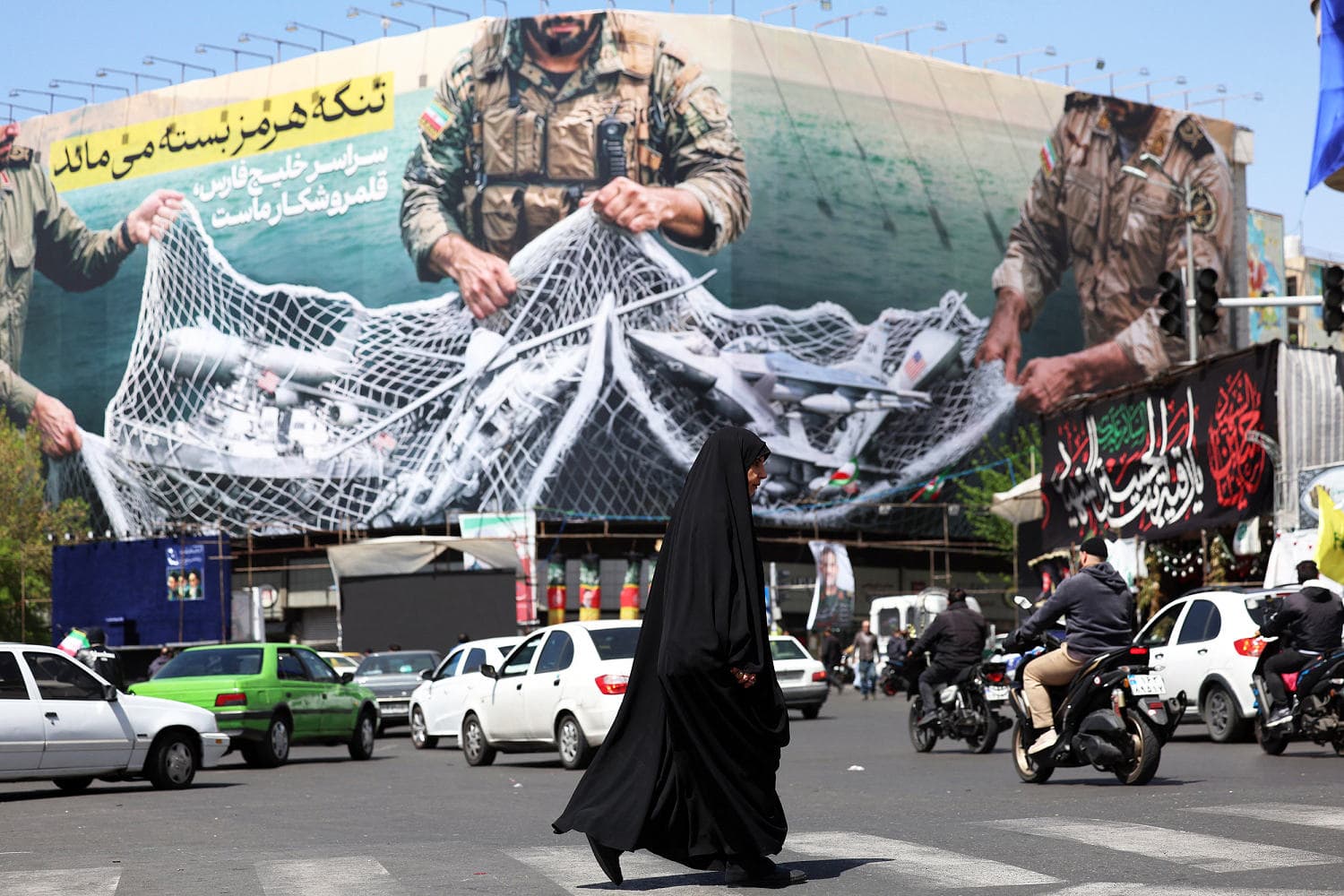
Here's what it means for you.
If you’re in the energy sector or rely on global oil prices, this legislative blockade could directly impact your costs and operations.
Why it matters
The ongoing military campaign against Iran and the legislative response to it could significantly influence global energy markets and geopolitical stability.
What happened (in 30 seconds)
- On April 9, 2026, House Republicans blocked a Democratic resolution aimed at terminating President Trump's military operations against Iran.
- The conflict escalated after U.S. and Israeli airstrikes on February 28, leading to Iran's closure of the Strait of Hormuz, a critical oil transit route.
- Trump's rhetoric intensified, threatening severe consequences for Iran unless it reopened the Strait, further heightening global tensions.
The context you actually need
- The 2026 U.S.-Iran war began with coordinated strikes that targeted Iranian military and leadership, causing Iran to retaliate by shutting down a major oil passage.
- Democratic lawmakers have repeatedly sought to invoke the War Powers Resolution to limit Trump's military actions, but these efforts have been consistently blocked by Republican majorities.
- The current ceasefire is fragile, with ongoing negotiations that could either stabilize or escalate the situation further, impacting oil prices and international relations.
What's really happening
The recent blockade by House Republicans against the Democratic war powers resolution is a critical moment in U.S. legislative history, reflecting deep partisan divides over military engagement and executive power. The conflict with Iran, which began with U.S. and Israeli airstrikes on February 28, has escalated tensions in the Middle East and disrupted global energy supplies. The closure of the Strait of Hormuz, a vital chokepoint for oil transit, has led to significant increases in oil prices, with the U.S. national average gasoline price reaching $4.00 per gallon.
In this context, Trump's administration has adopted a hardline stance, threatening catastrophic consequences for Iran unless it complies with U.S. demands. His rhetoric, which includes threats to civilian infrastructure, has alarmed international observers and raised concerns about potential war crimes. The Democratic push to rein in Trump's military authority is rooted in a desire to reassert congressional oversight over military actions, a principle enshrined in the War Powers Resolution. However, the Republican majority has consistently blocked these efforts, viewing them as undermining the President's ability to respond to threats.
As the situation unfolds, the fragility of the ceasefire brokered on April 8, which was mediated by Pakistan, remains a focal point. While it temporarily calmed markets, the underlying tensions and accusations of ceasefire violations from Iran indicate that the peace may be short-lived. The legislative blockade not only reflects the current political climate but also sets the stage for future conflicts over military engagement, particularly as the Senate prepares for a vote on a similar resolution.
This situation is compounded by the economic implications of rising oil prices, which have surged due to the conflict and Strait closure. Dubai residents, for instance, have faced fuel price increases of 31-72%, straining household budgets and affecting regional trade. The ongoing military actions and legislative responses will likely continue to reverberate through global markets, influencing everything from energy prices to international relations.
Who feels it first (and how)
- Energy sector professionals: Increased oil prices directly affect operational costs and profit margins.
- Consumers: Rising gasoline prices impact household budgets, particularly in regions reliant on oil imports.
- International traders: Disruptions in oil flow from the Gulf affect trade routes and costs.
- Political analysts: Ongoing legislative battles shape future U.S. foreign policy and military engagement strategies.
What to watch next
- Senate vote on war powers resolution: A simple majority could shift the legislative landscape and impact military operations.
- Ceasefire negotiations: The durability of the ceasefire will influence market stability and geopolitical relations in the region.
- Oil price fluctuations: Watch for changes in global oil prices as the situation evolves, which could affect economic conditions worldwide.
The U.S. House Republicans blocked the war powers resolution.
The Senate will vote on a similar resolution, which could change the dynamics of U.S. military engagement.
The long-term effects of the ceasefire and ongoing negotiations on regional stability and oil prices.
Frequently Asked Questions
- Why it matters?
- The ongoing military campaign against Iran and the legislative response to it could significantly influence global energy markets and geopolitical stability.
- What happened (in 30 seconds)?
- On April 9, 2026, House Republicans blocked a Democratic resolution aimed at terminating President Trump's military operations against Iran. The conflict escalated after U.S. and Israeli airstrikes on February 28, leading to Iran's closure of the Strait of Hormuz, a critical oil transit route. Trump's rhetoric intensified, threatening severe consequences for Iran unless it reopened the Strait, further heightening global tensions.
- What's really happening?
- The recent blockade by House Republicans against the Democratic war powers resolution is a critical moment in U.S. legislative history, reflecting deep partisan divides over military engagement and executive power. The conflict with Iran, which began with U.S. and Israeli airstrikes on February 28, has escalated tensions in the Middle East and disrupted global energy supplies. The closure of the Strait of Hormuz, a vital chokepoint for oil transit, has led to significant increases in oil prices,
- Who feels it first (and how)?
- Energy sector professionals: Increased oil prices directly affect operational costs and profit margins. Consumers: Rising gasoline prices impact household budgets, particularly in regions reliant on oil imports. International traders: Disruptions in oil flow from the Gulf affect trade routes and costs. Political analysts: Ongoing legislative battles shape future U.S. foreign policy and military engagement strategies.
- What to watch next?
- Senate vote on war powers resolution: A simple majority could shift the legislative landscape and impact military operations. Ceasefire negotiations: The durability of the ceasefire will influence market stability and geopolitical relations in the region. Oil price fluctuations: Watch for changes in global oil prices as the situation evolves, which could affect economic conditions worldwide.
Regional coverage and analysis focused on politics, diplomacy, and business across the Middle East.
"Al-Monitor is known for analytical reporting on Middle East politics and policy developments."
— A47 Editor
US Republicans block bid to rein in Trump Iran war powers
U.S. House Republicans have blocked a Democratic initiative aimed at limiting President Donald Trump's war powers regarding Iran, effectively preventing a resolution to cease military actions against the country. This decision was made during a brief...
Regional coverage and analysis focused on politics, diplomacy, and business across the Middle East.
"Al-Monitor is known for analytical reporting on Middle East politics and policy developments."
— A47 Editor
US Republicans block bid to rein in Trump Iran war powers
U.S. House Republicans have blocked a Democratic initiative aimed at limiting President Donald Trump's war powers concerning Iran, preventing a resolution to cease U.S. military actions against the country. This decision was made during a brief House...
International coverage from The Guardian's global desks.
"The Guardian is known for its progressive editorial stance and in-depth analysis."
— A47 Editor
Republicans block Democrats’ push to curb Trump’s war powers over Iran
House Democrats' attempt to pass a resolution aimed at limiting President Donald Trump's war powers over Iran was thwarted by Republicans, who objected to the measure during a unanimous consent vote on Thursday. The resolution's failure reflects grow...
National headlines across the United States including breaking stories and societal issues.
"NBC News is a mainstream media outlet known for comprehensive national and international news coverage with a centrist to slightly left-leaning editorial tone."
— A47 Editor
Republicans block effort to halt Trump's war with Iran after 'civilization' threat
House Democrats attempted to pass a resolution on Thursday to halt President Donald Trump's military actions against Iran, following his alarming threat to annihilate 'a whole civilization' if Iran does not comply with U.S. demands regarding the Stra...
Comprehensive coverage of global events, politics, and international issues.
"NBC News is a mainstream outlet known for comprehensive national and international coverage with a centrist to slightly left-leaning editorial tone."
— A47 Editor
Republicans block effort to halt Trump's war with Iran after 'civilization' threat
House Democrats attempted to pass a resolution on Thursday to halt President Donald Trump's military actions against Iran, following his alarming threat to annihilate 'a whole civilization' if Iran does not comply with U.S. demands regarding the Stra...