
U.S. Senate Rejects Resolutions to Block Arms Sales to Israel Amid Increased Democratic Opposition
Here's what it means for you.
The Senate's recent vote reflects shifting political dynamics that could influence U.S. foreign policy and international relations.
Why it matters
This vote signals a growing divide within the Democratic Party regarding military support for Israel, potentially reshaping future U.S. arms sales and foreign policy.
What happened (in 30 seconds)
- On April 15, 2026, the Senate rejected a motion to block a $295 million arms sale to Israel, with a vote of 40 yeas to 59 nays.
- A companion resolution to disapprove a $151.8 million sale of bombs also failed, indicating increased Democratic dissent on military aid.
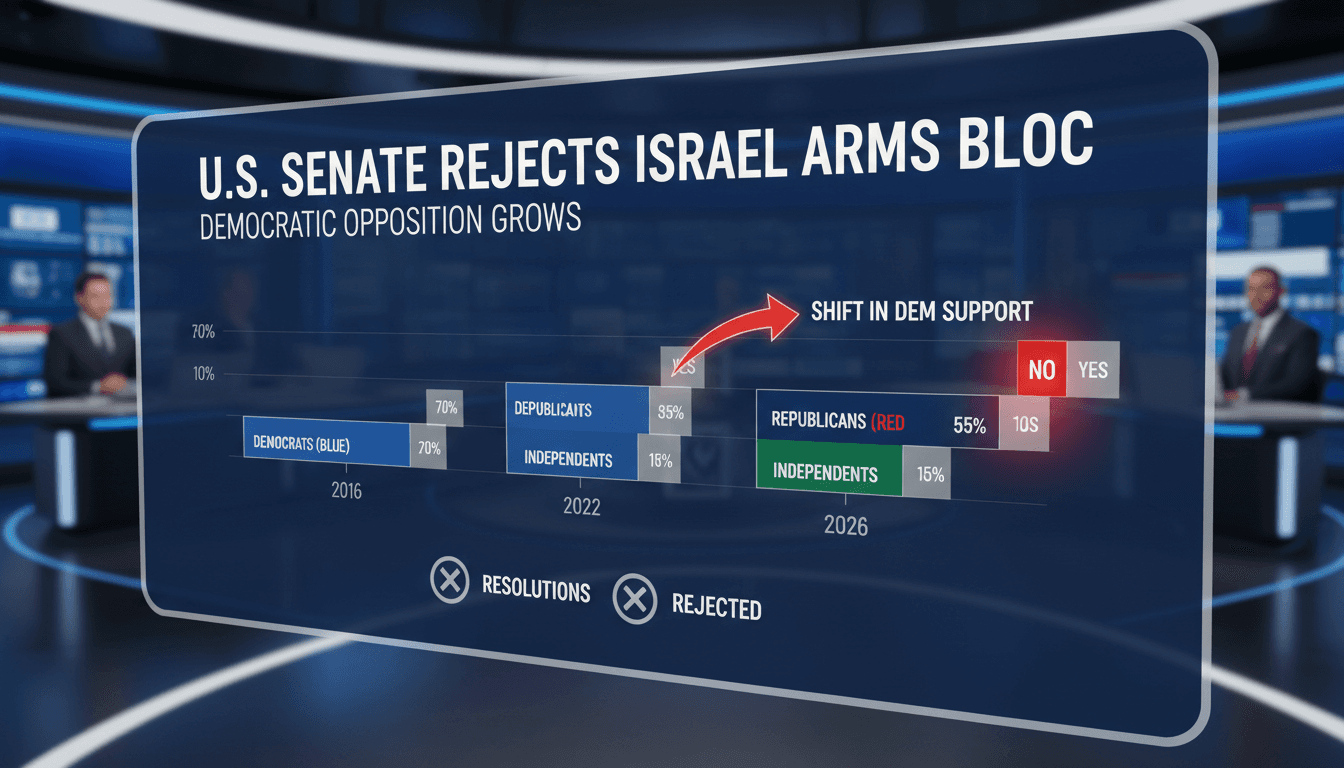
- Sen. Bernie Sanders spearheaded the resolutions, reflecting a significant rise in Democratic support for restricting arms transfers compared to previous years.
The context you actually need
- The U.S. has a longstanding security alliance with Israel, providing billions in military aid annually, which is subject to congressional review.
- Previous attempts to block arms sales led by Sanders saw only 18 votes in 2024 and 27 in 2025, highlighting a notable shift in Democratic sentiment.
- Escalating conflicts in the region, including Israel's military actions in Gaza and Lebanon, have intensified scrutiny over U.S. arms sales and their implications for civilian casualties.
What's really happening
The Senate's rejection of the resolutions to block arms sales to Israel marks a pivotal moment in U.S. foreign policy, particularly regarding military support for Israel amidst ongoing conflicts. The votes, which saw 40 yeas primarily from Democrats and Independents, indicate a significant increase in dissent within the party compared to previous years. This shift is largely driven by escalating violence in the region, particularly Israel's military operations in Gaza and Lebanon, which have drawn widespread criticism and raised concerns about humanitarian impacts.
Sen. Bernie Sanders, who sponsored the resolutions, has positioned this movement as a reflection of changing public opinion, emphasizing the need to prioritize domestic issues over unconditional military support for foreign allies. The emergency determination issued by Secretary of State Marco Rubio to expedite arms transfers has further fueled the debate, as it bypasses standard congressional notification periods, raising alarms about transparency and accountability in U.S. military aid.
The implications of these votes extend beyond immediate arms sales. They signal a potential re-evaluation of U.S. foreign policy priorities, particularly as public sentiment increasingly questions the unconditional support for Israel amid its military actions. Rights groups have hailed the Democratic yeas as a "historic inflection point," suggesting that this could lead to more robust discussions about the ethical implications of U.S. military aid.
Moreover, the rejection of these resolutions does not mean that the debate is over. The growing number of Democratic senators willing to challenge the status quo indicates that future arms sales may face increased scrutiny. This could lead to a more nuanced approach to U.S. military aid, balancing strategic alliances with humanitarian considerations.
As the geopolitical landscape evolves, the U.S. may find itself at a crossroads, needing to reconcile its historical support for Israel with the changing attitudes of its constituents and the international community. The outcome of this debate will likely influence not only U.S.-Israel relations but also broader Middle Eastern dynamics, particularly concerning Iran and its role in regional conflicts.
Who feels it first (and how)
- U.S. lawmakers: Increased pressure to align military aid with public sentiment and humanitarian concerns.
- Arms manufacturers: Potential shifts in contracts and sales strategies based on changing political landscapes.
- Human rights organizations: Heightened advocacy efforts and public campaigns against military aid linked to civilian casualties.
- Middle Eastern countries: Regional tensions may escalate as U.S. policies evolve, impacting diplomatic relations.
What to watch next
- Future Senate votes on arms sales: Watch for increased scrutiny and potential challenges to future military aid packages, reflecting ongoing public and political pressure.
- Public opinion polls: Monitor shifts in public sentiment regarding U.S. military support for Israel, which could influence lawmakers' decisions.
- International reactions: Observe how other countries, particularly in the Middle East, respond to U.S. arms sales and the implications for regional stability.
The Senate rejected the resolutions to block arms sales to Israel.
Future arms sales will face increased scrutiny from lawmakers and the public.
The long-term impact of these votes on U.S.-Israel relations and regional stability.
Frequently Asked Questions
- Why it matters?
- This vote signals a growing divide within the Democratic Party regarding military support for Israel, potentially reshaping future U.S. arms sales and foreign policy.
- What happened (in 30 seconds)?
- On April 15, 2026, the Senate rejected a motion to block a $295 million arms sale to Israel, with a vote of 40 yeas to 59 nays. A companion resolution to disapprove a $151.8 million sale of bombs also failed, indicating increased Democratic dissent on military aid. Sen. Bernie Sanders spearheaded the resolutions, reflecting a significant rise in Democratic support for restricting arms transfers compared to previous years.
- What's really happening?
- The Senate's rejection of the resolutions to block arms sales to Israel marks a pivotal moment in U.S. foreign policy, particularly regarding military support for Israel amidst ongoing conflicts. The votes, which saw 40 yeas primarily from Democrats and Independents, indicate a significant increase in dissent within the party compared to previous years. This shift is largely driven by escalating violence in the region, particularly Israel's military operations in Gaza and Lebanon, which have dra
- Who feels it first (and how)?
- U.S. lawmakers: Increased pressure to align military aid with public sentiment and humanitarian concerns. Arms manufacturers: Potential shifts in contracts and sales strategies based on changing political landscapes. Human rights organizations: Heightened advocacy efforts and public campaigns against military aid linked to civilian casualties. Middle Eastern countries: Regional tensions may escalate as U.S. policies evolve, impacting diplomatic relations.
- What to watch next?
- Future Senate votes on arms sales: Watch for increased scrutiny and potential challenges to future military aid packages, reflecting ongoing public and political pressure. Public opinion polls: Monitor shifts in public sentiment regarding U.S. military support for Israel, which could influence lawmakers' decisions. International reactions: Observe how other countries, particularly in the Middle East, respond to U.S. arms sales and the implications for regional stability.
Global news coverage with extensive reporting on Middle Eastern conflicts and geopolitics.
"Al Jazeera is a Qatar-based broadcaster known for wide regional coverage and alternative perspectives."
— A47 Editor
Senate vote on arms sale shows ‘massive cracks’ in US support for Israel
A recent Senate vote revealed significant divisions within U.S. support for Israel, as 40 out of 47 Democratic senators voted to block the sale of military bulldozers to Israel. This decision marks a notable shift in the political landscape regarding...
Comprehensive coverage of Middle Eastern and global issues.
"Al Jazeera is a prominent voice from the Global South, especially the Middle East, with an emphasis on underreported stories."
— A47 Editor
Senate vote on arms sale shows ‘massive cracks’ in US support for Israel
A recent Senate vote revealed significant divisions within the Democratic Party regarding military support for Israel, as 40 out of 47 Democratic senators voted to block the sale of military bulldozers to the country. This decision marks a notable sh...
English-language reporting on Saudi politics, policy, and society.
"Saudi Gazette reflects mainstream Saudi institutional perspectives."
— A47 Editor
US Senate rejects resolutions to end Iran war, arms sales to Israel
The US Senate has once again rejected a resolution aimed at limiting President Donald Trump's military actions in Iran, with a vote of 52-47. This marks the fourth failure of such measures, despite significant support from Democrats, including Vermon...
Arabic-language coverage of political affairs and current events.
"Okaz political coverage typically follows mainstream Saudi framing on national and regional affairs."
— A47 Editor
«الشيوخ الأمريكي» يُفشل محاولتين لوقف صفقات سلاح لإسرائيل وسط انقسام ديمقراطي
The U.S. Senate has blocked two resolutions aimed at halting military deals worth approximately $450 million that include bombs and bulldozers for Israel, amidst strong Republican support for President Donald Trump's backing of Israel. Despite the fa...