
Iran Launches Missile and Drone Attacks on Gulf States Amid US-Iran Ceasefire
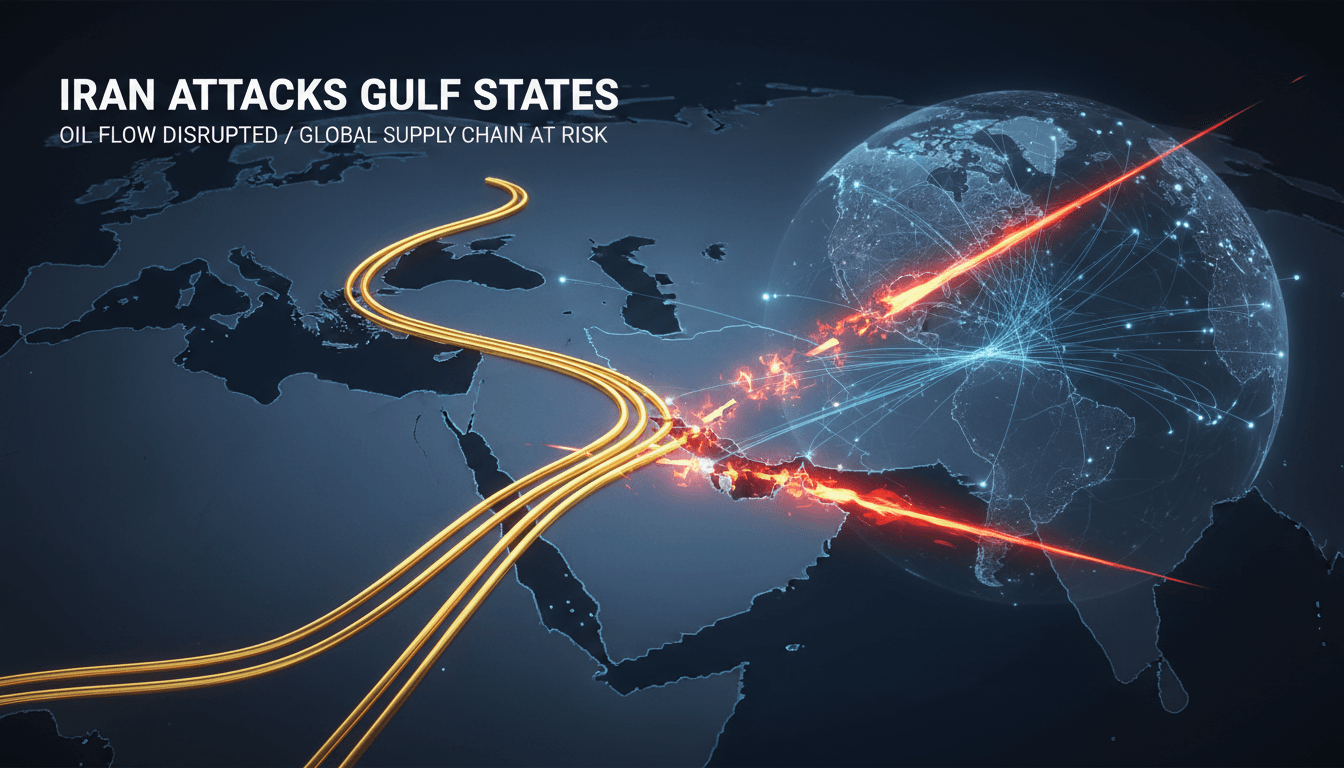
Here's what it means for you.
The ongoing tensions in the Gulf region could impact global oil prices and security protocols in international trade routes.
Why it matters
The fragile ceasefire between the U.S. and Iran directly affects global oil supply chains and regional stability.
What happened (in 30 seconds)
- Iran launched drones and missiles targeting Gulf Arab states on April 8, 2026, the first day of a ceasefire with the U.S.
- UAE, Saudi Arabia, and Kuwait successfully intercepted a total of 17 ballistic missiles and 35 drones, with minor damage reported in Kuwait.
- Israel conducted airstrikes on Hezbollah in Lebanon, leading to mutual accusations of ceasefire violations.
The context you actually need
- The 2026 Iran War began on February 28, escalating tensions and disrupting oil supplies through the Strait of Hormuz.
- The U.S. ultimatum to Iran to reopen the strait led to a two-week ceasefire mediated by Pakistan, focusing on uranium enrichment and missile programs.
- The attacks on April 8 occurred just hours after the ceasefire announcement, highlighting the volatility of the situation and the challenges of maintaining peace.
What's really happening
The recent missile and drone launches by Iran on the first day of the U.S.-Iran ceasefire underscore the complexities of Middle Eastern geopolitics and the fragility of ceasefire agreements. The Iran War, which had already disrupted global oil supplies, reached a critical juncture with the announcement of a ceasefire mediated by Pakistan. This ceasefire was intended to facilitate negotiations on contentious issues like uranium enrichment and missile programs, which have long been points of contention between Iran and the United States.
However, Iran's immediate military response—launching 94 drones and 23 missiles—indicates a strategic calculation aimed at demonstrating military capability and regional influence. The Iranian Revolutionary Guard's actions, including warnings to ships in the Strait of Hormuz, signal a refusal to back down even in the face of diplomatic overtures. The interception of these attacks by Gulf states reveals the effectiveness of their air defense systems but also highlights the persistent threat to regional security.
The implications of such actions are far-reaching. For Gulf states, the attacks represent a direct threat to national security and economic stability, particularly given their reliance on oil exports through the Strait of Hormuz. The successful interceptions, while mitigating immediate damage, do not eliminate the risk of future attacks, which could escalate tensions further. This precarious situation places additional pressure on Gulf economies and could lead to increased military spending and security measures.
Moreover, Israel's airstrikes on Hezbollah in Lebanon following the Iranian attacks illustrate the interconnected nature of regional conflicts. The mutual accusations of ceasefire violations further complicate the diplomatic landscape, making it challenging to achieve lasting peace. The U.S. administration's response, emphasizing the need for Iranian compliance, reflects the broader geopolitical stakes involved, as any breakdown in negotiations could lead to renewed hostilities.
In essence, the events of April 8, 2026, serve as a stark reminder of the volatility in the region and the challenges of maintaining peace amid competing interests and military posturing. The situation remains fluid, with potential repercussions for global oil markets and international trade routes.
Who feels it first (and how)
- Oil traders: Fluctuations in oil prices due to perceived risks in the Gulf region.
- Logistics companies: Increased scrutiny and potential delays in shipping routes through the Strait of Hormuz.
- Residents in Gulf states: Heightened security measures and potential disruptions to daily life due to military alerts.
What to watch next
- Diplomatic negotiations: Scheduled talks in Pakistan on April 10 will be crucial for assessing the future of the ceasefire and regional stability.
- Oil price movements: Watch for fluctuations in global oil prices as market reactions to ongoing tensions unfold.
- Military readiness: Increased military activity or preparedness in Gulf states could indicate a shift towards more aggressive posturing.
Iran's missile and drone launches occurred on the first day of the ceasefire.
Ongoing tensions will continue to affect oil prices and regional security measures.
The long-term effectiveness of the ceasefire and the potential for renewed hostilities.
Frequently Asked Questions
- Why it matters?
- The fragile ceasefire between the U.S. and Iran directly affects global oil supply chains and regional stability.
- What happened (in 30 seconds)?
- Iran launched drones and missiles targeting Gulf Arab states on April 8, 2026, the first day of a ceasefire with the U.S. UAE, Saudi Arabia, and Kuwait successfully intercepted a total of 17 ballistic missiles and 35 drones, with minor damage reported in Kuwait. Israel conducted airstrikes on Hezbollah in Lebanon, leading to mutual accusations of ceasefire violations.
- What's really happening?
- The recent missile and drone launches by Iran on the first day of the U.S.-Iran ceasefire underscore the complexities of Middle Eastern geopolitics and the fragility of ceasefire agreements. The Iran War, which had already disrupted global oil supplies, reached a critical juncture with the announcement of a ceasefire mediated by Pakistan. This ceasefire was intended to facilitate negotiations on contentious issues like uranium enrichment and missile programs, which have long been points of conte
- Who feels it first (and how)?
- Oil traders: Fluctuations in oil prices due to perceived risks in the Gulf region. Logistics companies: Increased scrutiny and potential delays in shipping routes through the Strait of Hormuz. Residents in Gulf states: Heightened security measures and potential disruptions to daily life due to military alerts.
- What to watch next?
- Diplomatic negotiations: Scheduled talks in Pakistan on April 10 will be crucial for assessing the future of the ceasefire and regional stability. Oil price movements: Watch for fluctuations in global oil prices as market reactions to ongoing tensions unfold. Military readiness: Increased military activity or preparedness in Gulf states could indicate a shift towards more aggressive posturing.
Arabic-language UAE newspaper coverage focused on domestic affairs, public institutions, business, society, and regional developments.
"Al Khaleej coverage generally reflects a mainstream UAE editorial lens with strong attention to public affairs, institutions, and regional developments."
— A47 Editor
هدنة الـ 14 يوماً.. صواريخ إيران الإرهابية تخترق صمت الاتفاق في اليوم الأول
On April 8, 2026, U.S. President Donald Trump announced a two-week ceasefire with Iran, following threats to unleash devastating military force. However, on the first day of this agreement, Iranian missiles reportedly breached the silence of the truc...
Arabic-language coverage of political affairs and current events.
"Okaz political coverage typically follows mainstream Saudi framing on national and regional affairs."
— A47 Editor
هدنة الأسبوعين.. استراحة محارب أم بداية النهاية للحرب؟
U.S. President Donald Trump announced a two-week suspension of military action against Iran, following mediation efforts by Pakistan, just before a critical deadline that could have escalated regional tensions. The announcement included conditions fo...
Pan-Arab news coverage spanning politics, business, sports, and regional affairs.
"Asharq Al-Awsat reflects a broad Arab editorial perspective with strong attention to regional geopolitics."
— A47 Editor
هدنة «الدقائق الأخيرة» تكبح التصعيد الأميركي - الإيراني
Just 90 minutes before the deadline set by U.S. President Donald Trump for Iran to reach an agreement regarding the ongoing conflict, both Washington and Tehran announced a de-escalation of tensions. This development indicates a significant moment in...