
US Central Command Launches Mine-Clearing Operations in Strait of Hormuz
Here's what it means for you.
If you rely on oil and gas, the U.S. mine-clearing operation in the Strait of Hormuz could impact your energy costs and supply stability.
Why it matters
The Strait of Hormuz is a critical chokepoint for global oil and gas supplies, with nearly 20% of the world's energy transiting through it.
What happened (in 30 seconds)
- The U.S. initiated mine-clearing operations in the Strait of Hormuz on April 11, 2026, deploying naval assets to neutralize Iranian sea mines.
- Iran's blockade had previously elevated oil prices above $100 per barrel and stranded hundreds of vessels, disrupting global supply chains.
- Partial shipping resumed shortly after the operation began, with three supertankers successfully navigating a secured lane.
The context you actually need
- The Strait of Hormuz is a narrow waterway between Iran and Oman, crucial for global energy transport, making its security vital for economic stability.
- Iran's Islamic Revolutionary Guards Corps laid mines in response to U.S. military actions, escalating tensions in the region and prompting the mine-clearing operation.
- The ongoing U.S.-Iran conflict has significant implications for oil markets, with potential ripple effects on inflation and supply chain dynamics worldwide.
What's really happening
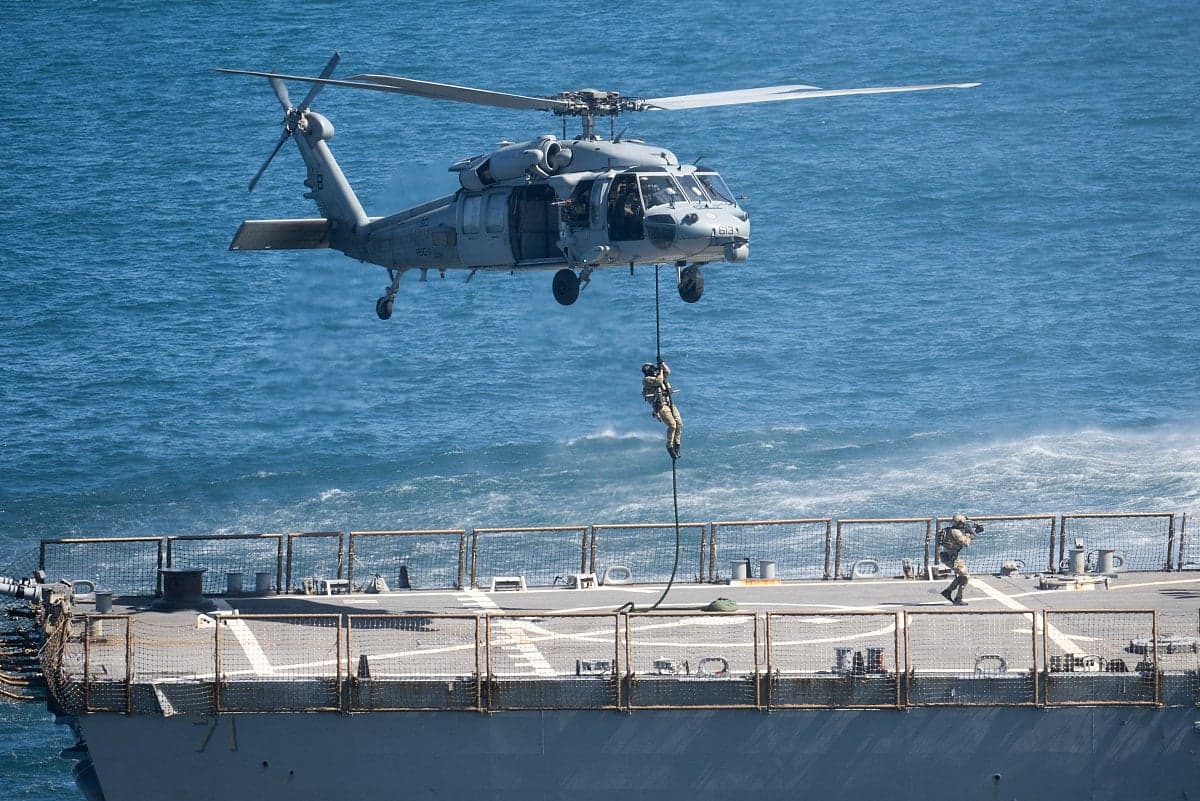
The U.S. Central Command's mine-clearing operation in the Strait of Hormuz is a direct response to heightened tensions and threats posed by Iran's Islamic Revolutionary Guards Corps (IRGC). Following the destruction of Iranian mine-laying vessels in March 2026, the U.S. aimed to secure this vital maritime route, which facilitates approximately 20% of global oil and gas supplies. The operation commenced on April 11, 2026, with guided-missile destroyers USS Frank E. Peterson Jr. and USS Michael Murphy leading the charge, supported by advanced underwater drones and MH-60S helicopters equipped with laser detection systems.
The strategic importance of the Strait cannot be overstated; any disruption here can lead to significant economic repercussions, including skyrocketing oil prices and inflationary pressures. The U.S. military's swift action to neutralize the mines is intended to restore safe passage for commercial vessels, which is crucial for maintaining global energy supply chains. As three supertankers successfully navigated the newly secured lane shortly after the operation began, it signaled a partial return to normalcy, though hundreds of vessels remain stranded, highlighting the ongoing risks.
Iran's response has been one of denial regarding U.S. claims of successful transit and threats of severe retaliation, indicating that tensions are far from resolved. The fragile ceasefire in place adds another layer of complexity, as both sides navigate the geopolitical landscape while attempting to avoid further escalation. The U.S. operation has garnered support from allied nations, including the United Kingdom and Gulf states, emphasizing a collective effort to ensure maritime security in the region.
The implications of this operation extend beyond immediate military objectives; they touch on global economic stability. With oil prices already exceeding $100 per barrel, the potential for further increases looms large, affecting consumers and businesses alike. The UAE and other Gulf Cooperation Council (GCC) countries are actively involved in supporting the clearance efforts to protect their energy exports and mitigate projected economic contractions.
Who feels it first (and how)
- Consumers: Higher fuel prices directly impact household budgets and transportation costs.
- Businesses: Industries reliant on oil and gas may face increased operational costs, affecting pricing strategies.
- Investors: Volatility in oil markets can lead to fluctuations in stock prices, particularly for energy companies.
- Shipping companies: Delays and increased insurance costs due to heightened risks in the Strait can affect logistics and supply chain efficiency.
- Tourism sectors: Regions like Dubai may see reduced tourist inflows due to regional instability and increased travel costs.
What to watch next
- Oil price fluctuations: Monitor how oil prices respond to the mine-clearing operation and any subsequent Iranian actions, as this will directly affect global markets.
- Shipping traffic: Keep an eye on the volume of vessels transiting the Strait of Hormuz, as increased traffic could indicate a return to stability or further disruptions.
- Geopolitical developments: Watch for any changes in U.S.-Iran relations, particularly regarding ceasefire negotiations and military posturing, which could influence regional security.
The U.S. has initiated mine-clearing operations in the Strait of Hormuz.
Oil prices will remain volatile as markets react to ongoing geopolitical tensions.
The long-term effectiveness of the mine-clearing operation in ensuring sustained maritime security.
Frequently Asked Questions
- Why it matters?
- The Strait of Hormuz is a critical chokepoint for global oil and gas supplies, with nearly 20% of the world's energy transiting through it.
- What happened (in 30 seconds)?
- The U.S. initiated mine-clearing operations in the Strait of Hormuz on April 11, 2026, deploying naval assets to neutralize Iranian sea mines. Iran's blockade had previously elevated oil prices above $100 per barrel and stranded hundreds of vessels, disrupting global supply chains. Partial shipping resumed shortly after the operation began, with three supertankers successfully navigating a secured lane.
- What's really happening?
- The U.S. Central Command's mine-clearing operation in the Strait of Hormuz is a direct response to heightened tensions and threats posed by Iran's Islamic Revolutionary Guards Corps (IRGC). Following the destruction of Iranian mine-laying vessels in March 2026, the U.S. aimed to secure this vital maritime route, which facilitates approximately 20% of global oil and gas supplies. The operation commenced on April 11, 2026, with guided-missile destroyers USS Frank E. Peterson Jr. and USS Michael Mu
- Who feels it first (and how)?
- Consumers: Higher fuel prices directly impact household budgets and transportation costs. Businesses: Industries reliant on oil and gas may face increased operational costs, affecting pricing strategies. Investors: Volatility in oil markets can lead to fluctuations in stock prices, particularly for energy companies. Shipping companies: Delays and increased insurance costs due to heightened risks in the Strait can affect logistics and supply chain efficiency. Tourism sectors: Regions like
- What to watch next?
- Oil price fluctuations: Monitor how oil prices respond to the mine-clearing operation and any subsequent Iranian actions, as this will directly affect global markets. Shipping traffic: Keep an eye on the volume of vessels transiting the Strait of Hormuz, as increased traffic could indicate a return to stability or further disruptions. Geopolitical developments: Watch for any changes in U.S.-Iran relations, particularly regarding ceasefire negotiations and military posturing, which could infl
Business and tech news excluding paywalled content.
"High-volume business/tech outlet with frequent AI coverage."
— A47 Editor
US Navy destroyers that weren't built to hunt and clear mines are leading a risky mission in the Strait of Hormuz
The U.S. Navy has deployed two destroyers in the Strait of Hormuz to support mine-clearing operations and prepare for a potential blockade of Iranian ports. This mission comes amid escalating tensions following the collapse of negotiations between th...
Breaking news, politics, business, and entertainment from the U.S. and around the world.
"The New York Post is a tabloid-format newspaper known for its sensationalist headlines and conservative-leaning editorial tone."
— A47 Editor
How the US will clear Iran’s mines in the Strait of Hormuz
Following the collapse of peace talks between the United States and Iran, President Trump has ordered the U.S. military to take control of the Strait of Hormuz and clear Iranian mines from the waterway. This decision comes amid escalating tensions an...
UAE-based newspaper covering Gulf politics, society, and international developments.
"Gulf News is one of the UAE’s most prominent English-language publications."
— A47 Editor
US mine-clearing operation in Strait of Hormuz: How it works and why it matters
The United States has initiated a mine-clearing operation in the strategically significant Strait of Hormuz, confirming that two naval ships have transited the area as part of this mission. This operation is crucial for ensuring safe navigation in a ...
A curated Gulf News feed featuring major stories across news, business, opinion, and lifestyle.
"Gulf News is a major UAE newspaper whose featured stories feed reflects a broad editorial mix shaped for a Gulf audience."
— A47 Editor
US mine-clearing operation in Strait of Hormuz: How it works and why it matters
The United States has initiated a mine-clearing operation in the strategically significant Strait of Hormuz, confirming that two naval ships have transited the area as part of this mission. This operation is crucial for ensuring safe navigation in a ...