
Former JCPOA negotiators advise Trump on Iran nuclear talks amid ceasefire
Here's what it means for you.
The revival of nuclear talks with Iran could reshape energy markets and geopolitical stability, impacting global trade dynamics.
Why it matters
The outcome of these negotiations could significantly influence oil prices and regional security, affecting economies worldwide.
What happened (in 30 seconds)
- Former JCPOA negotiators provided strategic advice to the Trump administration on resuming nuclear discussions with Iran amid a fragile ceasefire.
- Key tactics emphasized include fostering trust through consistent dialogue and prioritizing direct negotiations over indirect channels.
- Current status shows a ceasefire holding as of April 19, 2026, but significant gaps remain in the negotiations.
The context you actually need
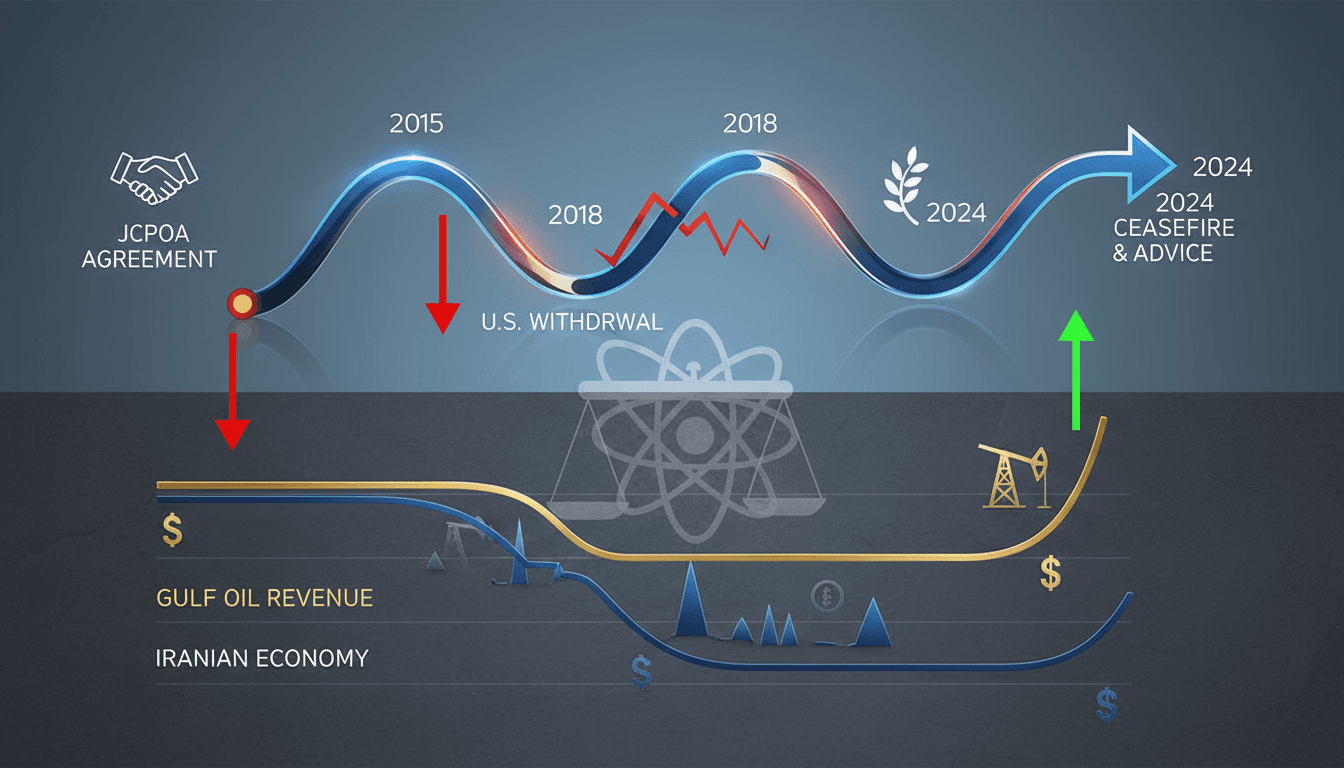
- The 2015 JCPOA was a landmark agreement that limited Iran's nuclear capabilities in exchange for sanctions relief, but the U.S. withdrawal in 2018 led to escalating tensions.
- Recent conflicts, including the Twelve-Day War and subsequent U.S. and Israeli military actions, have complicated the diplomatic landscape, leading to a renewed focus on negotiations.
- Economic impacts from the ongoing war have already resulted in a $120 billion loss for Dubai and Abu Dhabi stock markets, highlighting the urgency for a resolution.
What's really happening
The recent advisory from former JCPOA negotiators to the Trump administration comes at a critical juncture in U.S.-Iran relations. Following a series of military escalations, including U.S. airstrikes and Israeli operations against Iranian nuclear sites, the situation has reached a precarious balance. The ceasefire, announced on April 7, 2026, offers a temporary reprieve but does not resolve the underlying tensions that have plagued the region since the U.S. exited the JCPOA in 2018.
The negotiators—Alan Eyre, Richard Nephew, and Alistair Burt—advocated for a nuanced approach that emphasizes understanding Iran's operational perspectives without endorsing its policies. This strategy aims to build trust and facilitate more effective dialogue. They highlighted the importance of consistent interlocutors, suggesting that engaging with figures like former Foreign Minister Mohammad Javad Zarif could enhance communication and negotiation outcomes.
The Trump administration's willingness to engage in direct talks, as opposed to relying solely on back-channel communications, marks a significant shift in strategy. This approach could lead to more transparent negotiations, potentially paving the way for a sustainable agreement. However, the complexities of Iran's nuclear enrichment activities remain a sticking point, with both sides needing to navigate these sensitive issues carefully.
The economic ramifications of the ongoing conflict are already being felt, particularly in the UAE, where the war has led to significant stock market losses and a decline in tourism and trade. The IMF has revised its growth forecast for the Middle East and Central Asia down by 2 percentage points, reflecting the broader economic impact of the conflict. As the UAE government implements relief measures for affected businesses and families, the stakes for a successful negotiation are higher than ever.
The interplay of military actions, economic pressures, and diplomatic efforts creates a volatile environment where any misstep could lead to renewed hostilities. The negotiators' insights aim to mitigate these risks by fostering a more constructive dialogue, but the path to a renewed agreement remains fraught with challenges.
Who feels it first (and how)
- Energy sector professionals: Fluctuations in oil prices directly impact their operations and profitability.
- Investors in Gulf markets: Stock market volatility affects their portfolios and investment strategies.
- UAE residents: Economic relief measures will influence their financial stability and quality of life.
- Diplomats and policymakers: Their strategies and negotiations will shape future international relations and security frameworks.
What to watch next
- Progress in direct negotiations: Successful talks could stabilize the region and influence oil prices positively.
- Economic indicators from the UAE: Monitoring stock market recovery and tourism trends will provide insights into the broader economic impact of the conflict.
- Military developments: Any escalation in military actions could derail negotiations and exacerbate regional tensions.
The ceasefire is currently holding, and indirect talks are ongoing.
Continued economic pressure on Iran will influence its willingness to negotiate.
The long-term sustainability of any agreement reached and its impact on regional stability.
Frequently Asked Questions
- Why it matters?
- The outcome of these negotiations could significantly influence oil prices and regional security, affecting economies worldwide.
- What happened (in 30 seconds)?
- Former JCPOA negotiators provided strategic advice to the Trump administration on resuming nuclear discussions with Iran amid a fragile ceasefire. Key tactics emphasized include fostering trust through consistent dialogue and prioritizing direct negotiations over indirect channels. Current status shows a ceasefire holding as of April 19, 2026, but significant gaps remain in the negotiations.
- What's really happening?
- The recent advisory from former JCPOA negotiators to the Trump administration comes at a critical juncture in U.S.-Iran relations. Following a series of military escalations, including U.S. airstrikes and Israeli operations against Iranian nuclear sites, the situation has reached a precarious balance. The ceasefire, announced on April 7, 2026, offers a temporary reprieve but does not resolve the underlying tensions that have plagued the region since the U.S. exited the JCPOA in 2018. The negoti
- Who feels it first (and how)?
- Energy sector professionals: Fluctuations in oil prices directly impact their operations and profitability. Investors in Gulf markets: Stock market volatility affects their portfolios and investment strategies. UAE residents: Economic relief measures will influence their financial stability and quality of life. Diplomats and policymakers: Their strategies and negotiations will shape future international relations and security frameworks.
- What to watch next?
- Progress in direct negotiations: Successful talks could stabilize the region and influence oil prices positively. Economic indicators from the UAE: Monitoring stock market recovery and tourism trends will provide insights into the broader economic impact of the conflict. Military developments: Any escalation in military actions could derail negotiations and exacerbate regional tensions.
UAE-based English-language newspaper covering regional politics, economics, and global affairs.
"The National reflects Emirati policy perspectives while maintaining international editorial standards."
— A47 Editor
The Art of the Iran Deal: Former negotiators discuss tactics for Trump's team
Former negotiators discussed strategies for the Iran deal as U.S. President Donald Trump expressed optimism about reaching an agreement, stating there are 'no sticking points' in the ongoing negotiations. This comes amid a backdrop of heightened tens...
Regional and international reporting focused on Middle Eastern politics, diplomacy, and economics.
"Asharq Al-Awsat is a Saudi-owned international newspaper reflecting mainstream Gulf political perspectives."
— A47 Editor
Trump Says ‘No Sticking Points’ for Iran Deal
President Donald Trump has stated that there are 'no sticking points' in negotiations for a new deal with Iran, expressing optimism about reaching an agreement to resolve ongoing tensions. This statement comes amid a fragile ceasefire and ongoing dip...