
Dubai International Financial Centre Launches Native AI Programme to Create 25000 Jobs
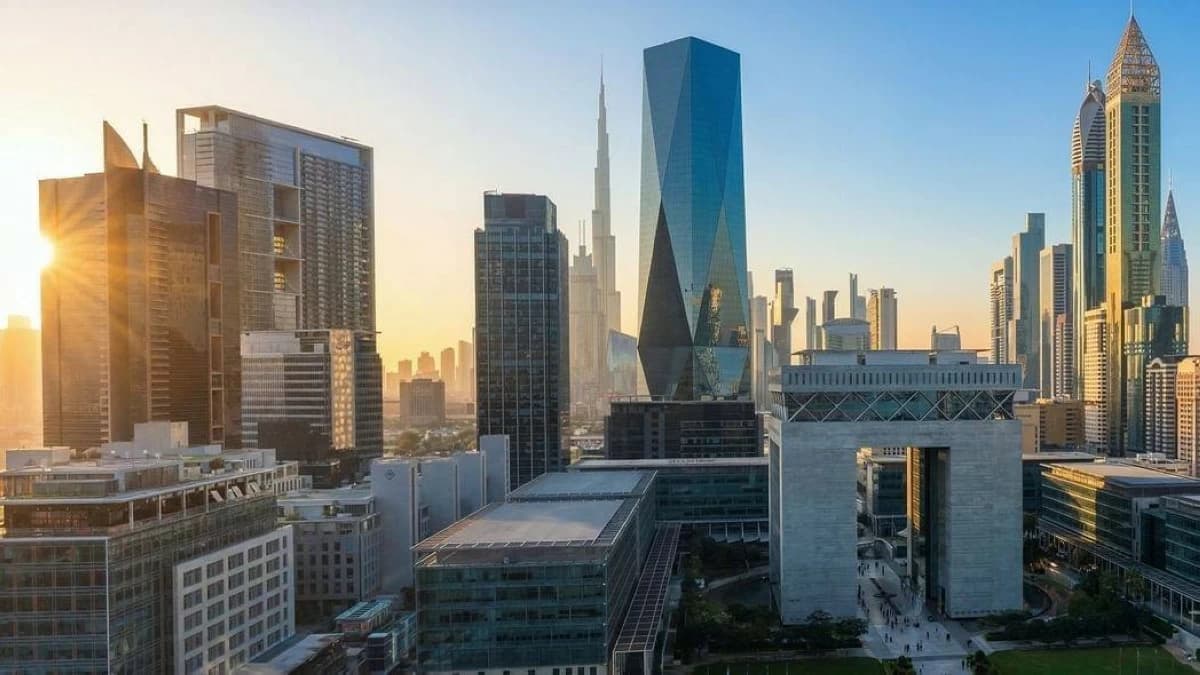
Here's what it means for you.
If you work in finance or tech, the Dubai International Financial Centre's new AI initiative could reshape your career landscape.
Why it matters
This initiative positions Dubai as a global leader in AI governance within the financial sector, potentially influencing regulatory frameworks worldwide.
What happened (in 30 seconds)
- On April 21, 2026, the Dubai International Financial Centre (DIFC) announced plans to establish the world’s first AI-native financial centre.
- The Native AI programme aims to embed AI across various sectors, projecting an economic value of USD 3.5 billion and creating 25,000 new jobs.
- CEO Arif Amiri emphasized the initiative's alignment with Dubai's Economic Agenda D33 and the UAE's national priorities for advanced technology leadership.
The context you actually need
- DIFC's five-year AI strategy, initiated in 2023, laid the groundwork for this ambitious programme, focusing on data governance and AI integration.
- The Native AI programme encompasses five pillars: legal frameworks, business operations, talent development, ecosystem infrastructure, and physical urban environment enhancements.
- Dubai's strategic positioning as a global financial hub is bolstered by its regulatory agility and digital infrastructure, making it an attractive destination for startups and venture capital.
What's really happening
The Dubai International Financial Centre (DIFC) is embarking on a transformative journey to become the world's first AI-native financial centre, a move that reflects a broader trend of integrating artificial intelligence into financial services globally. This initiative is not merely about adopting AI technologies; it is about embedding AI into the very fabric of financial operations, governance, and urban infrastructure.
The Native AI programme is structured around five key pillars. First, it aims to establish legal and regulatory frameworks that recognize AI agents and robotics, ensuring that the legal landscape evolves alongside technological advancements. This is crucial for fostering trust and compliance in financial transactions involving AI.
Second, the programme focuses on business operations, integrating advanced AI tools and sovereign AI utilities to enhance efficiency and decision-making processes. By leveraging AI, financial institutions can streamline operations, reduce costs, and improve customer experiences, ultimately driving profitability.
Third, talent development is a cornerstone of the initiative. The DIFC plans to create a full-stack AI Campus, offering certifications and training programs that emphasize human-AI collaboration. This approach not only prepares the workforce for the future but also attracts top talent to Dubai, reinforcing its status as a global financial hub.
The fourth pillar involves enhancing the ecosystem infrastructure through expanded accelerators, venture platforms, and partnerships. This will create a vibrant environment for startups and established firms alike, fostering innovation and collaboration within the financial sector.
Lastly, the programme envisions a physical urban environment that incorporates intelligent buildings, sensors, robotics, and digital twins by 2030. This ambitious infrastructure upgrade will not only improve operational efficiency but also enhance the quality of life for residents and workers in Dubai.
The projected economic impact of this initiative is significant, with an estimated contribution of USD 3.5 billion (AED 12.9 billion) and the creation of 25,000 new jobs. This growth will likely attract further investment and talent to the region, reinforcing Dubai's position as a leader in the global financial landscape.
Who feels it first (and how)
- Finance professionals: Increased demand for AI-savvy talent will create new job opportunities and require upskilling.
- Tech startups: Enhanced ecosystem infrastructure will provide more resources and support for innovation.
- Investors: The projected economic growth may lead to increased investment opportunities in AI and finance sectors.
- Urban planners and developers: The focus on intelligent buildings and urban infrastructure will drive demand for new projects and technologies.
What to watch next
- Job market shifts: Monitor the emergence of new roles in AI and finance, particularly in Dubai, as the programme unfolds.
- Regulatory developments: Watch for changes in global financial regulations influenced by DIFC's AI governance frameworks.
- Investment trends: Keep an eye on venture capital flows into AI-driven financial startups, as Dubai's ecosystem evolves.
The DIFC has launched the Native AI programme and projected significant economic contributions.
The initiative will attract talent and investment, reshaping the job market in finance and tech.
The long-term impact on global financial regulations and how other regions will respond to Dubai's leadership in AI governance.
Frequently Asked Questions
- Why it matters?
- This initiative positions Dubai as a global leader in AI governance within the financial sector, potentially influencing regulatory frameworks worldwide.
- What happened (in 30 seconds)?
- On April 21, 2026, the Dubai International Financial Centre (DIFC) announced plans to establish the world’s first AI-native financial centre. The Native AI programme aims to embed AI across various sectors, projecting an economic value of USD 3.5 billion and creating 25,000 new jobs. CEO Arif Amiri emphasized the initiative's alignment with Dubai's Economic Agenda D33 and the UAE's national priorities for advanced technology leadership.
- What's really happening?
- The Dubai International Financial Centre (DIFC) is embarking on a transformative journey to become the world's first AI-native financial centre, a move that reflects a broader trend of integrating artificial intelligence into financial services globally. This initiative is not merely about adopting AI technologies; it is about embedding AI into the very fabric of financial operations, governance, and urban infrastructure. The Native AI programme is structured around five key pillars. First, it
- Who feels it first (and how)?
- Finance professionals: Increased demand for AI-savvy talent will create new job opportunities and require upskilling. Tech startups: Enhanced ecosystem infrastructure will provide more resources and support for innovation. Investors: The projected economic growth may lead to increased investment opportunities in AI and finance sectors. Urban planners and developers: The focus on intelligent buildings and urban infrastructure will drive demand for new projects and technologies.
- What to watch next?
- Job market shifts: Monitor the emergence of new roles in AI and finance, particularly in Dubai, as the programme unfolds. Regulatory developments: Watch for changes in global financial regulations influenced by DIFC's AI governance frameworks. Investment trends: Keep an eye on venture capital flows into AI-driven financial startups, as Dubai's ecosystem evolves.
Business, markets, economy, and corporate news with strong UAE and regional relevance.
"Emirates 24|7 business coverage tends to center UAE markets, property, regulation, and regional economic developments."
— A47 Editor
DIFC to become world’s first AI‑native financial centre DIFC to become world’s first AI‑native financial centre
The Dubai International Financial Centre (DIFC) has announced its ambition to become the world's first AI-native financial centre, integrating artificial intelligence into its legal, regulatory, and operational frameworks. This initiative aims to emb...
Arabic-language economic and business reporting with strong UAE market relevance.
"Emarat Al Youm business coverage often centers UAE property, banking, consumer issues, and economic policy."
— A47 Editor
مركز دبي المالي الأول عالميا في الاعتماد كلياً على الذكاء الاصطناعي مركز دبي المالي الأول عالميا في الاعتماد كلياً على الذكاء الاصطناعي
The Dubai International Financial Centre (DIFC) has announced a strategic initiative to become the world's leading financial hub fully reliant on artificial intelligence. This move positions DIFC at the forefront of technological advancement in the f...
Business and economy coverage focused on Dubai, the UAE, Saudi Arabia, and the wider Middle East.
"Arabian Business is a well-known regional business outlet with strong focus on Gulf markets, leadership, and investment stories."
— A47 Editor
DIFC to become world’s first AI-native financial centre
The Dubai International Financial Centre (DIFC) has announced its strategy to become the world's first AI-native financial centre, integrating artificial intelligence into its legal, regulatory, and operational frameworks. This initiative aims to enh...
UAE-based newspaper covering Gulf politics, society, and international developments.
"Gulf News is one of the UAE’s most prominent English-language publications."
— A47 Editor
DIFC targets 25,000 jobs in bid to become world’s first AI-native financial centre
The Dubai International Financial Centre (DIFC) has set an ambitious target to create 25,000 jobs as part of its strategy to become the world's first AI-native financial centre, integrating artificial intelligence into its operations and regulatory f...
A curated Gulf News feed featuring major stories across news, business, opinion, and lifestyle.
"Gulf News is a major UAE newspaper whose featured stories feed reflects a broad editorial mix shaped for a Gulf audience."
— A47 Editor
DIFC targets 25,000 jobs in bid to become world’s first AI-native financial centre
The Dubai International Financial Centre (DIFC) has set an ambitious target to create 25,000 jobs as part of its strategy to become the world's first AI-native financial centre, integrating artificial intelligence into its operations and regulatory f...