
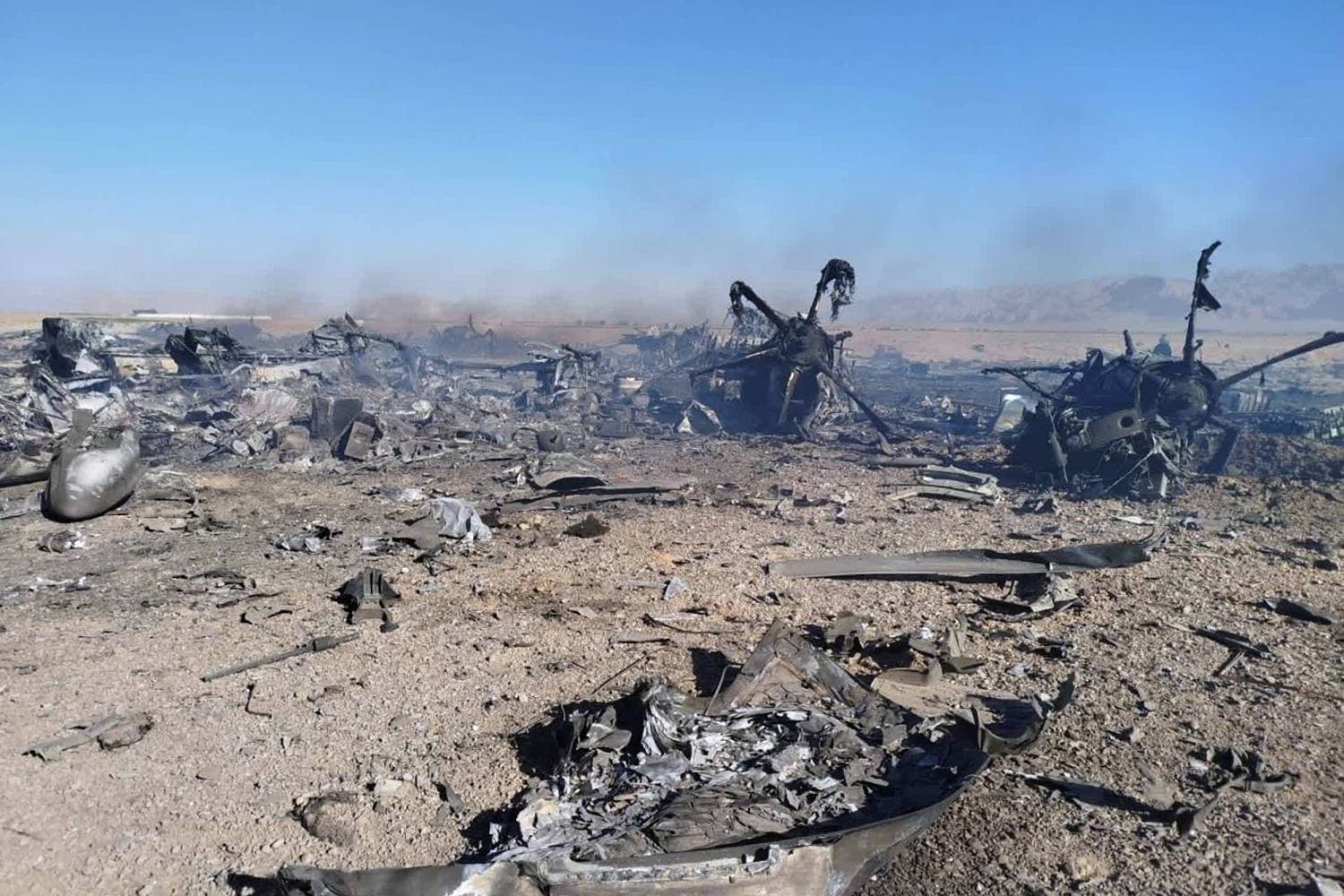
U.S. F-15E Strike Eagle downed by Iranian missile during military operations
Here's what it means for you.
Rising oil prices and supply chain disruptions could impact your costs and investments.
Why it matters
The incident underscores the fragility of global energy markets and the potential for increased military conflict in the Middle East.
What happened (in 30 seconds)
- On April 3, 2026, a U.S. Air Force F-15E Strike Eagle was shot down over southern Iran by a shoulder-fired missile.
- Both crew members ejected safely and were rescued after a complex multi-day operation involving special forces and advanced military tactics.
- The downing marks the first U.S. fighter jet lost to enemy fire in combat since 2003, raising alarms about asymmetric threats in modern warfare.
The context you actually need
- U.S.-Israeli military operations against Iran began in late February 2026, targeting military infrastructure and naval assets.
- Iran's response has included the use of man-portable air-defense systems (MANPADS) and attempts to disrupt shipping through the Strait of Hormuz.
- Global oil prices surged above $109 per barrel following the incident, impacting economies reliant on stable energy supplies.
What's really happening
The downing of the F-15E Strike Eagle on April 3, 2026, represents a significant escalation in the ongoing conflict between the U.S. and Iran, which has been marked by a series of military operations and retaliatory actions. This incident is not just a tactical loss; it signals a shift in the dynamics of air warfare, where asymmetric threats, such as shoulder-fired missiles, are becoming increasingly effective against advanced military aircraft. The successful use of these weapons by Iranian forces highlights the vulnerabilities of even the most sophisticated air forces in the world.
The U.S. response to the downing was swift and multifaceted, involving a complex search-and-rescue operation that included deception tactics by the CIA and the deployment of multiple aircraft, including B-1 bombers and drones. This operation reflects the high stakes involved and the lengths to which the U.S. military will go to recover its personnel and maintain its operational integrity. The fact that both crew members were rescued, despite the challenges posed by Iranian forces actively searching for them, is a testament to the effectiveness of U.S. military capabilities and planning.
However, the broader implications of this incident extend far beyond military tactics. The downing of the F-15E has exacerbated geopolitical tensions in the region, particularly concerning the Strait of Hormuz, a critical chokepoint for global oil transportation. Iran's use of asymmetric warfare tactics, including missile strikes and threats to block shipping routes, poses a direct challenge to U.S. interests and those of its allies. As a result, global oil prices have surged, impacting economies worldwide and leading to potential supply chain disruptions.
In Dubai, for instance, residents are already feeling the effects of rising energy costs, with Brent crude prices exceeding $109 per barrel. The UAE stock market has also seen significant losses, totaling $120 billion, despite the gains in oil prices. This situation illustrates the interconnectedness of military actions and economic consequences, emphasizing that conflicts in one part of the world can have far-reaching effects on global markets and local economies.
Who feels it first (and how)
- Energy consumers: Higher oil prices will lead to increased costs for transportation and goods.
- Investors in UAE markets: Significant stock losses may affect investment portfolios and economic stability.
- Logistics and shipping sectors: Disruptions in the Strait of Hormuz could lead to delays and increased shipping costs.
What to watch next
- Oil price fluctuations: Continued instability in the region may lead to further increases in oil prices, affecting global markets.
- Military responses: Monitor U.S. military actions in the region, particularly any escalation in airstrikes or troop deployments.
- Iran's asymmetric tactics: Watch for developments in Iran's military strategy and its implications for regional security and global supply chains.
The F-15E was downed by an Iranian missile during U.S.-Israeli operations.
Oil prices will remain volatile as tensions escalate in the region.
The long-term impact on U.S.-Iran relations and future military engagements.
Frequently Asked Questions
- Why it matters?
- The incident underscores the fragility of global energy markets and the potential for increased military conflict in the Middle East.
- What happened (in 30 seconds)?
- On April 3, 2026, a U.S. Air Force F-15E Strike Eagle was shot down over southern Iran by a shoulder-fired missile. Both crew members ejected safely and were rescued after a complex multi-day operation involving special forces and advanced military tactics. The downing marks the first U.S. fighter jet lost to enemy fire in combat since 2003, raising alarms about asymmetric threats in modern warfare.
- What's really happening?
- The downing of the F-15E Strike Eagle on April 3, 2026, represents a significant escalation in the ongoing conflict between the U.S. and Iran, which has been marked by a series of military operations and retaliatory actions. This incident is not just a tactical loss; it signals a shift in the dynamics of air warfare, where asymmetric threats, such as shoulder-fired missiles, are becoming increasingly effective against advanced military aircraft. The successful use of these weapons by Iranian for
- Who feels it first (and how)?
- Energy consumers: Higher oil prices will lead to increased costs for transportation and goods. Investors in UAE markets: Significant stock losses may affect investment portfolios and economic stability. Logistics and shipping sectors: Disruptions in the Strait of Hormuz could lead to delays and increased shipping costs.
- What to watch next?
- Oil price fluctuations: Continued instability in the region may lead to further increases in oil prices, affecting global markets. Military responses: Monitor U.S. military actions in the region, particularly any escalation in airstrikes or troop deployments. Iran's asymmetric tactics: Watch for developments in Iran's military strategy and its implications for regional security and global supply chains.
UAE-based newspaper covering Gulf politics, society, and international developments.
"Gulf News is one of the UAE’s most prominent English-language publications."
— A47 Editor
Incredibly dangerous’: How US commandos rescued a downed F‑15 airman in Iran
A U.S. F-15E Strike Eagle fighter jet was shot down over Iran, prompting a high-risk rescue operation by U.S. commandos to retrieve one airman, while another crew member remains missing. The operation was confirmed by President Donald Trump, who prai...
A curated Gulf News feed featuring major stories across news, business, opinion, and lifestyle.
"Gulf News is a major UAE newspaper whose featured stories feed reflects a broad editorial mix shaped for a Gulf audience."
— A47 Editor
Incredibly dangerous’: How US commandos rescued a downed F‑15 airman in Iran
A U.S. F-15E Strike Eagle fighter jet was shot down over Iran, prompting a high-risk rescue operation by U.S. commandos to retrieve one airman, while another crew member remains missing. The operation was confirmed by President Donald Trump, who prai...
Focused political reporting and governmental affairs.
"NBC News is a mainstream media outlet known for comprehensive national and international news coverage with a centrist to slightly left-leaning editorial tone."
— A47 Editor
The U.S. fighter jet was downed in Iran by a shoulder-fired missile
An American F-15 fighter jet was shot down in Iran by a shoulder-fired missile, prompting a rescue operation for two airmen. President Donald Trump confirmed the incident, which has escalated tensions in the region. One airman was successfully rescue...