
Federal Reserve Holds Interest Rates Steady Amid Iran War Inflation Concerns
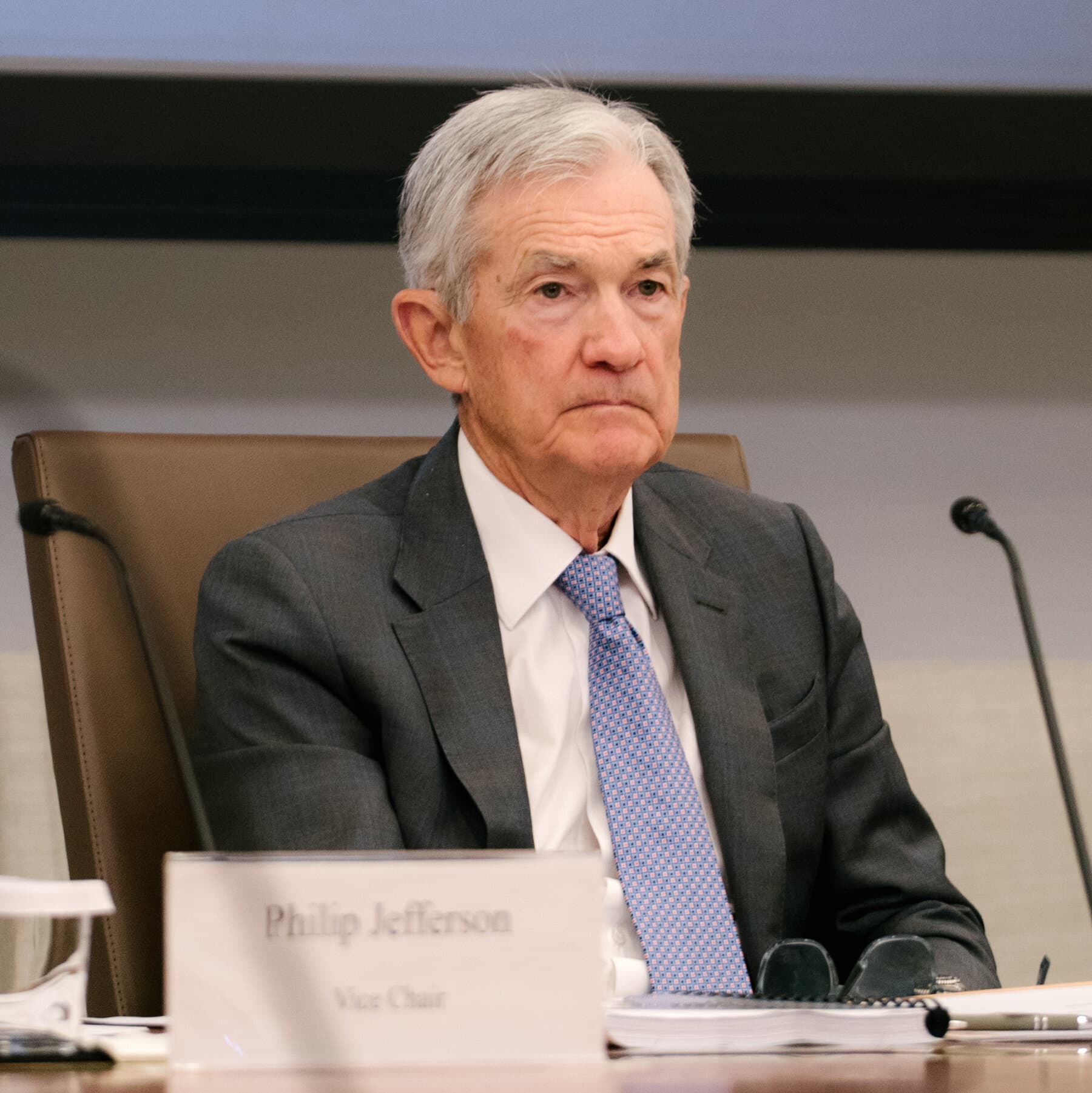
Here's what it means for you.
Your financial decisions may be impacted by sustained inflation and interest rate stability as global tensions affect economic forecasts.
Why it matters
The Federal Reserve's cautious approach to interest rates reflects broader economic uncertainties that could influence market dynamics and personal finances.
What happened (in 30 seconds)
- Federal Reserve officials decided against cutting interest rates during the March 17–18, 2026, FOMC meeting, maintaining a range of 3.5–3.75 percent.
- Inflation risks surged due to a 50 percent increase in crude oil prices linked to the ongoing Iran war, complicating economic projections.
- A temporary ceasefire was announced on April 7, 2026, but the Fed remains open to potential rate hikes if inflation pressures persist.
The context you actually need
- The Iran war, which began on February 28, 2026, has disrupted oil supply chains, leading to significant spikes in energy prices and inflation.
- Prior to the conflict, the Fed had cut rates by 75 basis points in late 2025 to support a fragile labor market, but geopolitical events have forced a reassessment of this strategy.
- Inflation rates have climbed to 2.8 percent overall and 3.0–3.1 percent for core inflation, exceeding the Fed's target and raising concerns about economic stability.
What's really happening
The Federal Reserve's decision to maintain interest rates amid rising inflation reflects a delicate balancing act between supporting economic growth and controlling price stability. The onset of the Iran war has created a volatile environment, with crude oil prices skyrocketing by 50 percent, which directly impacts inflation metrics. As energy costs rise, consumer prices follow suit, leading to increased pressure on the Fed to act.
Historically, the Fed has aimed for a 2 percent inflation target, but the current economic landscape presents dual-sided risks. While most FOMC members anticipated gradual disinflation, the potential for further rate hikes looms if inflationary pressures do not subside. This sentiment was echoed in the minutes from the March meeting, where officials expressed concerns about the war's impact on economic forecasts.
The temporary ceasefire announced on April 7, 2026, may provide a brief respite, but the underlying tensions in the Middle East remain a significant concern. The Fed's strategy hinges on data dependency, meaning that any sustained inflation could prompt a shift in policy. San Francisco Fed President Mary Daly emphasized this point, indicating that the duration of the conflict and its economic repercussions will be closely monitored.
In the UAE, the conflict has had immediate repercussions, with infrastructure damage reported and GDP growth forecasts slashed from 4.2 percent to 1.5 percent. This economic slowdown threatens expatriate jobs and the non-oil economy, highlighting the interconnectedness of global events and local markets. As Dubai's economy grapples with these challenges, the Fed's decisions will reverberate through financial markets, affecting everything from interest rates to consumer spending.
Who feels it first (and how)
- Expatriate workers in the UAE may face job insecurity due to economic downturns linked to the Iran war.
- Consumers in the U.S. will feel the pinch of rising prices as inflation impacts everyday goods and services.
- Investors in energy markets will experience volatility as crude oil prices fluctuate based on geopolitical developments.
What to watch next
- Inflation data releases: Upcoming reports on consumer prices will be critical in assessing whether inflation is stabilizing or continuing to rise.
- Fed meeting outcomes: Future FOMC meetings will provide insights into the Fed's policy direction and potential rate adjustments based on economic conditions.
- Geopolitical developments: Any escalation or resolution in the Iran conflict will significantly influence oil prices and, consequently, inflationary trends.
The Fed is currently maintaining interest rates amid inflation concerns.
Further inflation data will influence the Fed's decision-making in upcoming meetings.
The long-term economic impact of the Iran war on global markets remains uncertain.
Frequently Asked Questions
- Why it matters?
- The Federal Reserve's cautious approach to interest rates reflects broader economic uncertainties that could influence market dynamics and personal finances.
- What happened (in 30 seconds)?
- Federal Reserve officials decided against cutting interest rates during the March 17–18, 2026, FOMC meeting, maintaining a range of 3.5–3.75 percent. Inflation risks surged due to a 50 percent increase in crude oil prices linked to the ongoing Iran war, complicating economic projections. A temporary ceasefire was announced on April 7, 2026, but the Fed remains open to potential rate hikes if inflation pressures persist.
- What's really happening?
- The Federal Reserve's decision to maintain interest rates amid rising inflation reflects a delicate balancing act between supporting economic growth and controlling price stability. The onset of the Iran war has created a volatile environment, with crude oil prices skyrocketing by 50 percent, which directly impacts inflation metrics. As energy costs rise, consumer prices follow suit, leading to increased pressure on the Fed to act. Historically, the Fed has aimed for a 2 percent inflation targ
- Who feels it first (and how)?
- Expatriate workers in the UAE may face job insecurity due to economic downturns linked to the Iran war. Consumers in the U.S. will feel the pinch of rising prices as inflation impacts everyday goods and services. Investors in energy markets will experience volatility as crude oil prices fluctuate based on geopolitical developments.
- What to watch next?
- Inflation data releases: Upcoming reports on consumer prices will be critical in assessing whether inflation is stabilizing or continuing to rise. Fed meeting outcomes: Future FOMC meetings will provide insights into the Fed's policy direction and potential rate adjustments based on economic conditions. Geopolitical developments: Any escalation or resolution in the Iran conflict will significantly influence oil prices and, consequently, inflationary trends.
Business, investment, entrepreneurship, leadership, and innovation.
"Forbes is known for its coverage of business leaders, market trends, and entrepreneurial ventures with a pro-business editorial stance."
— A47 Editor
More Interest Rate Cuts Could Happen If Iran War Drags On, Fed Says
The Federal Reserve has indicated that further interest rate cuts could occur if the ongoing conflict in Iran continues to escalate, particularly as rising oil prices have increased inflationary pressures. This situation has led to heightened specula...
Markets, economy, and company analysis from NYT’s business desk.
"The New York Times is a globally recognized newspaper offering authoritative reporting with a center-left editorial stance."
— A47 Editor
Fed Minutes Show Officials in No Rush to Cut as Iran War Scrambled Outlook
The Federal Reserve's recent minutes reveal that officials are not in a hurry to cut interest rates, as the ongoing conflict in the Middle East, particularly the war in Iran, has complicated economic forecasts and raised concerns about inflation. Cha...
Corporate finance news, M&A, deals, and executive interviews.
"Finance Monthly serves a professional readership with corporate finance coverage."
— A47 Editor
Fed Warns Rates Could Rise Again — Even as the Economy Slows
A senior Federal Reserve official has indicated that interest rates may rise again despite signs of an economic slowdown, primarily driven by inflation linked to the ongoing conflict in Iran. This situation presents a complex challenge for the Fed as...