
Iran Reports Over 3,000 Fatalities from US-Israel Military Strikes Since February 2026
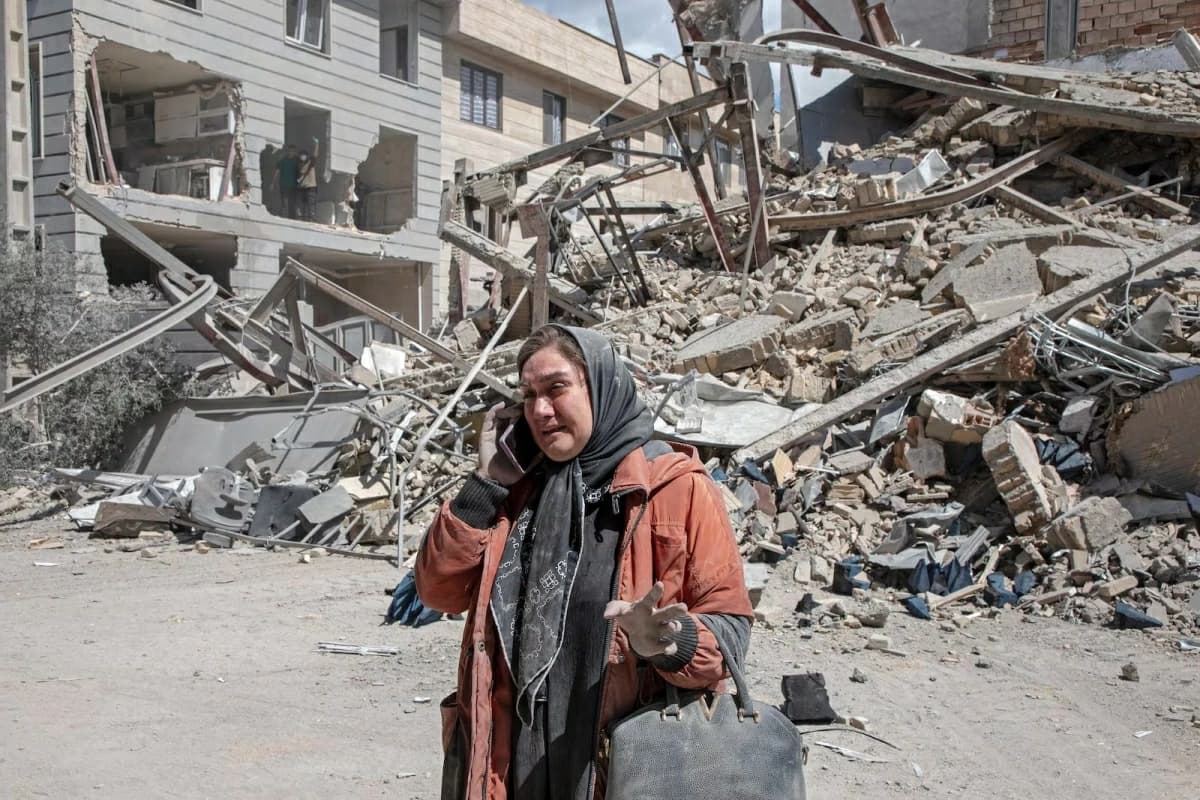
Here's what it means for you.
Rising oil prices and increased travel costs could impact your budget and travel plans.
Why it matters
The ongoing conflict is destabilizing the Middle East, affecting global oil prices and international travel.
What happened (in 30 seconds)
- Iran's Forensic Medicine Organization reported over 3,000 deaths in Iran due to US-Israeli military strikes since February 28, 2026.
- The 2026 Iran war escalated following preemptive airstrikes targeting Iranian military and nuclear infrastructure.
- A fragile ceasefire is currently under negotiation, mediated by Pakistan, amid ongoing violence.
The context you actually need
- The 2026 Iran war escalated from long-standing tensions between the US and Iran, compounded by Israeli strikes on Iranian nuclear facilities.
- Since February 28, 2026, coordinated airstrikes have targeted over 1,700 Iranian sites, leading to significant casualties and retaliatory actions from Iran.
- Regional instability has resulted in over 19,000 flight cancellations and rising oil prices, directly affecting global markets and travel.
What's really happening
The conflict between the US, Israel, and Iran has deep roots in geopolitical tensions, particularly surrounding Iran's nuclear ambitions and its support for regional proxies. The 2026 Iran war began with a series of preemptive airstrikes by the US and Israel, targeting Iranian military, nuclear, and government infrastructure. This was framed as a necessary action to prevent perceived threats from Iran, leading to a rapid escalation of hostilities.
Following the initial strikes on February 28, 2026, Iran responded by closing the Strait of Hormuz, a critical chokepoint for global oil shipments, and launching missile attacks on Israel and Gulf states. This retaliation not only heightened military tensions but also triggered a broader regional crisis, with strikes extending to Iraq, Syria, and Yemen. The conflict has resulted in significant civilian casualties, with Iran's Forensic Medicine Organization reporting over 3,000 fatalities, a staggering figure that underscores the war's human cost.
The ongoing violence has led to a humanitarian crisis, with many families affected by the loss of loved ones and the destruction of infrastructure. Approximately 40% of the reported casualties remain unidentified, complicating the recovery and mourning processes. The Iranian government has vowed to prepare for a prolonged conflict if the ceasefire negotiations fail, indicating a potential for further escalation.
In the broader economic context, the war has resulted in volatility in oil markets, with prices surging above $100 per barrel. This has direct implications for global energy costs, affecting everything from transportation to consumer goods. The UAE, a key player in the region, has reported 12 deaths from Iranian strikes, prompting travel warnings and further complicating the situation for businesses and travelers alike.
As the conflict continues, the implications extend beyond the immediate region, influencing global markets and international relations. The fragile ceasefire under negotiation, mediated by Pakistan, represents a critical juncture; its failure could lead to an escalation that would further destabilize the region and impact global economic stability.
Who feels it first (and how)
- Travelers: Increased airfares and flight cancellations due to rising oil prices and regional instability.
- Airlines: Higher operational costs from jet fuel price surges, leading to potential route adjustments.
- Investors: Volatility in oil markets could impact stock prices and investment strategies, particularly in energy sectors.
- Residents in Dubai: Elevated costs of living due to increased fuel prices and economic uncertainty.
What to watch next
- Ceasefire negotiations: The outcome of the fragile ceasefire mediated by Pakistan will determine the immediate future of the conflict and its economic implications.
- Oil price trends: Continued fluctuations in oil prices will affect global markets and consumer costs, particularly in energy-dependent regions.
- Regional military actions: Any escalation in military actions or retaliatory strikes could further destabilize the region and impact international relations.
Over 3,000 fatalities reported in Iran due to the conflict; significant regional instability affecting global oil prices.
Continued volatility in oil markets and potential for further military escalation if ceasefire negotiations fail.
The long-term impact on international relations and economic stability in the Middle East.
Frequently Asked Questions
- Why it matters?
- The ongoing conflict is destabilizing the Middle East, affecting global oil prices and international travel.
- What happened (in 30 seconds)?
- Iran's Forensic Medicine Organization reported over 3,000 deaths in Iran due to US-Israeli military strikes since February 28, 2026. The 2026 Iran war escalated following preemptive airstrikes targeting Iranian military and nuclear infrastructure. A fragile ceasefire is currently under negotiation, mediated by Pakistan, amid ongoing violence.
- What's really happening?
- The conflict between the US, Israel, and Iran has deep roots in geopolitical tensions, particularly surrounding Iran's nuclear ambitions and its support for regional proxies. The 2026 Iran war began with a series of preemptive airstrikes by the US and Israel, targeting Iranian military, nuclear, and government infrastructure. This was framed as a necessary action to prevent perceived threats from Iran, leading to a rapid escalation of hostilities. Following the initial strikes on February 28, 2
- Who feels it first (and how)?
- Travelers: Increased airfares and flight cancellations due to rising oil prices and regional instability. Airlines: Higher operational costs from jet fuel price surges, leading to potential route adjustments. Investors: Volatility in oil markets could impact stock prices and investment strategies, particularly in energy sectors. Residents in Dubai: Elevated costs of living due to increased fuel prices and economic uncertainty.
- What to watch next?
- Ceasefire negotiations: The outcome of the fragile ceasefire mediated by Pakistan will determine the immediate future of the conflict and its economic implications. Oil price trends: Continued fluctuations in oil prices will affect global markets and consumer costs, particularly in energy-dependent regions. Regional military actions: Any escalation in military actions or retaliatory strikes could further destabilize the region and impact international relations.
English-language reporting on Saudi politics, policy, and society.
"Saudi Gazette reflects mainstream Saudi institutional perspectives."
— A47 Editor
Iran says over 3,000 killed in US-Israel strikes
Iran's forensic authority reported that over 3,000 individuals have been killed in US-Israeli strikes since February 28, with significant challenges in identifying victims due to the scale of the casualties. The authority is utilizing expertise from ...
Arabic-language UAE newspaper coverage focused on domestic affairs, public institutions, business, society, and regional developments.
"Al Khaleej coverage generally reflects a mainstream UAE editorial lens with strong attention to public affairs, institutions, and regional developments."
— A47 Editor
إيران تعلن مقتل أكثر من 3000 شخص في الحرب
Iranian authorities announced on Thursday that more than 3,000 people have been killed in the war initiated by the United States and Israel. This statement highlights the significant human cost associated with the ongoing conflict and reflects the se...
Regional coverage and analysis focused on politics, diplomacy, and business across the Middle East.
"Al-Monitor is known for analytical reporting on Middle East politics and policy developments."
— A47 Editor
More than 3,000 Iranians killed during war, medical body says
More than 3,000 individuals have been reported killed across Iran since the onset of the war on February 28, according to the country's forensic chief. It was noted that approximately 40% of the deceased require forensic identification before their r...