
UK Deters Russian Submarine Surveillance of Critical Undersea Infrastructure
Here's what it means for you.
If you rely on stable internet and energy supplies, this incident highlights the ongoing geopolitical threats to critical infrastructure.
Why it matters
The UK's proactive measures against Russian submarine surveillance underscore the vulnerability of undersea cables and pipelines that are vital for global internet connectivity and energy security.
What happened (in 30 seconds)
- The UK exposed a covert Russian submarine operation surveilling undersea cables and pipelines in the North Atlantic, revealed on April 9, 2026.
- UK and Norwegian forces tracked multiple Russian submarines over a month, deploying advanced naval assets and personnel to deter potential sabotage.
- Russian vessels withdrew without causing damage after being detected, following warnings of serious consequences from UK officials.
The context you actually need
- Russia's GUGI submarines are known for hybrid warfare tactics, targeting Western infrastructure to disrupt military support for Ukraine since the 2022 invasion.
- The UK is a critical hub for global internet traffic, hosting around 60 cable landings that carry over 90% of the world's data.
- Recent incidents of undersea cable damage in the Baltic Sea have raised alarms about the security of vital infrastructure, making this operation particularly significant.
What's really happening
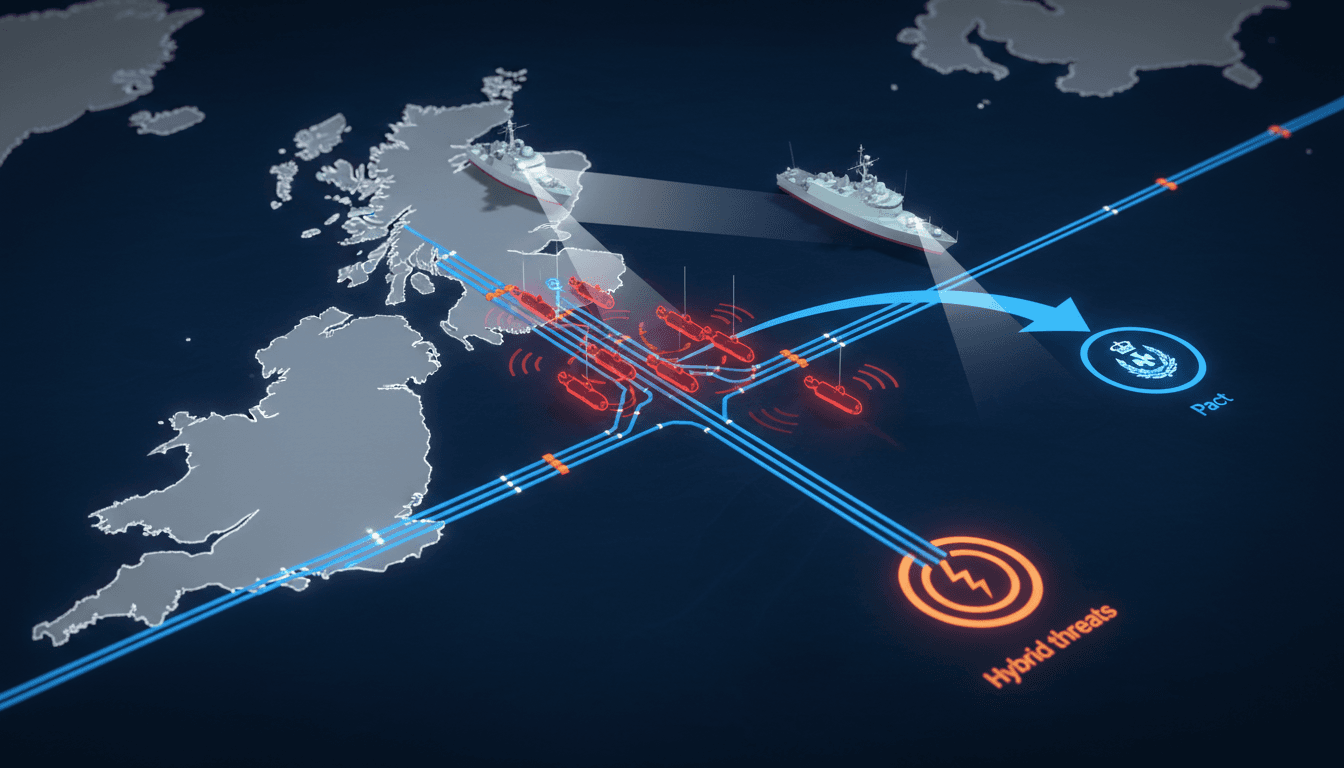
The recent UK operation against Russian submarine surveillance is a critical response to escalating hybrid warfare tactics employed by Russia. The operation involved tracking an Akula-class attack submarine and two GUGI deep-sea spy submarines that were loitering over vital undersea cables and pipelines in the North Atlantic. This region is crucial for global internet connectivity and energy supplies, with the UK hosting a significant portion of the world's undersea cables.
The UK's Defence Secretary, John Healey, revealed that the operation was a coordinated effort with Norway, involving advanced naval assets such as the Type 23 frigate HMS St Albans and replenishment ship RFA Tidespring, along with Merlin helicopters and sonar buoys. This extensive deployment of resources reflects the seriousness with which the UK is treating the threat posed by Russian surveillance operations. The operation lasted over a month and involved hundreds of personnel working around the clock to monitor and deter potential threats.
The Russian submarines were detected and warned, leading to their withdrawal from the area without inflicting any damage. This incident highlights the effectiveness of NATO's hybrid threat vigilance and the importance of international cooperation in safeguarding critical infrastructure. The UK's warning of serious consequences for any damage attempts signals a strong stance against hybrid threats, particularly as they relate to military support for Ukraine.
This operation is part of a broader strategy to protect undersea infrastructure, which has become increasingly vulnerable to espionage and sabotage. The UK and its allies are likely to enhance their surveillance capabilities and strengthen naval partnerships to counteract these threats. The implications of this operation extend beyond immediate security concerns, as undersea cables are essential for global internet traffic and energy supplies, affecting economies and individuals worldwide.
Who feels it first (and how)
- Telecommunications companies: Increased scrutiny on undersea cable security may lead to higher operational costs.
- Energy sector stakeholders: Enhanced protection measures may affect supply chain logistics and operational protocols.
- Government agencies: Heightened vigilance will likely require more resources for monitoring and defense against hybrid threats.
What to watch next
- Increased naval operations in the North Atlantic: This will indicate ongoing vigilance against Russian submarine activities and could lead to heightened military presence in the region.
- New cybersecurity measures for undersea infrastructure: As threats evolve, expect investments in technology to protect critical data and energy supply lines.
- International diplomatic responses: Watch for any shifts in NATO's strategy or partnerships that may arise from this incident, particularly regarding hybrid warfare tactics.
The UK successfully deterred Russian submarine surveillance without infrastructure damage.
Enhanced naval cooperation between the UK and Norway will continue, focusing on submarine detection and monitoring.
The long-term impact on global internet traffic and energy markets remains to be seen, particularly if similar incidents occur.
Frequently Asked Questions
- Why it matters?
- The UK's proactive measures against Russian submarine surveillance underscore the vulnerability of undersea cables and pipelines that are vital for global internet connectivity and energy security.
- What happened (in 30 seconds)?
- The UK exposed a covert Russian submarine operation surveilling undersea cables and pipelines in the North Atlantic, revealed on April 9, 2026. UK and Norwegian forces tracked multiple Russian submarines over a month, deploying advanced naval assets and personnel to deter potential sabotage. Russian vessels withdrew without causing damage after being detected, following warnings of serious consequences from UK officials.
- What's really happening?
- The recent UK operation against Russian submarine surveillance is a critical response to escalating hybrid warfare tactics employed by Russia. The operation involved tracking an Akula-class attack submarine and two GUGI deep-sea spy submarines that were loitering over vital undersea cables and pipelines in the North Atlantic. This region is crucial for global internet connectivity and energy supplies, with the UK hosting a significant portion of the world's undersea cables. The UK's Defence Sec
- Who feels it first (and how)?
- Telecommunications companies: Increased scrutiny on undersea cable security may lead to higher operational costs. Energy sector stakeholders: Enhanced protection measures may affect supply chain logistics and operational protocols. Government agencies: Heightened vigilance will likely require more resources for monitoring and defense against hybrid threats.
- What to watch next?
- Increased naval operations in the North Atlantic: This will indicate ongoing vigilance against Russian submarine activities and could lead to heightened military presence in the region. New cybersecurity measures for undersea infrastructure: As threats evolve, expect investments in technology to protect critical data and energy supply lines. International diplomatic responses: Watch for any shifts in NATO's strategy or partnerships that may arise from this incident, particularly regarding hy
UK and international business news, economics, and corporate coverage.
"The Guardian’s business section covers finance and markets with a progressive editorial tone."
— A47 Editor
UK navy foiled Russian submarines surveying undersea cables, defence minister says
The UK Defence Secretary John Healey announced that a British warship and aircraft successfully tracked and deterred three Russian submarines attempting to survey undersea cables in the North Atlantic during a month-long operation. This action forced...
International coverage from The Guardian's global desks.
"The Guardian is known for its progressive editorial stance and in-depth analysis."
— A47 Editor
UK navy foiled Russian submarines surveying undersea cables, defence minister says
The UK Defence Secretary John Healey announced that a British warship and aircraft successfully tracked and deterred three Russian submarines attempting to survey undersea cables in the North Atlantic during a month-long operation. This action forced...
Political developments, policy debates, elections, and government affairs in the UK.
"BBC News is widely regarded as a reputable international news organization, known for its impartial tone and public service mandate."
— A47 Editor
UK says Russia ran submarine operation over cables and pipelines
The UK Defence Secretary John Healey announced that Russian submarines were conducting covert operations over undersea cables and pipelines in the Atlantic, but there is currently no evidence of damage to UK infrastructure. The Royal Navy successfull...
Conservative-leaning political and national coverage.
"The Washington Times is a conservative-leaning newspaper known for its political coverage and advocacy of right-of-center viewpoints."
— A47 Editor
U.K. says it stopped Moscow efforts to survey undersea cable network, caused Russian subs to retreat
British officials announced that they successfully thwarted a Russian plan to survey critical undersea cable networks in the North Atlantic, resulting in the retreat of at least three Russian submarines back to their bases. This operation highlights ...