
US Mediated Direct Negotiations Between Lebanon and Israel Commence Amid Escalating Conflict
Here's what it means for you.
If you’re in the Gulf region, the outcome of these negotiations could directly impact your investments and travel plans.
Why it matters
The negotiations could stabilize a volatile region, influencing global markets and energy prices.
What happened (in 30 seconds)
- Direct negotiations between Lebanese and Israeli representatives began on April 15, 2026, in Washington, D.C., under US mediation.
- Escalating military confrontations since March 2, 2026, led to over 2,000 Lebanese fatalities, prompting diplomatic outreach from Lebanon.
- Hezbollah's rejection of outcomes binding the group complicates the ceasefire discussions, highlighting the challenges ahead.
The context you actually need
- Military escalation peaked with Israeli airstrikes on April 8, 2026, resulting in significant casualties and prompting Lebanon to seek diplomatic solutions.
- Previous agreements, such as the 2022 US-brokered maritime border deal, left land border issues unresolved, necessitating renewed talks.
- Lebanese President Joseph Aoun is prioritizing state sovereignty over militia involvement, indicating a shift in Lebanon's diplomatic strategy.
What's really happening
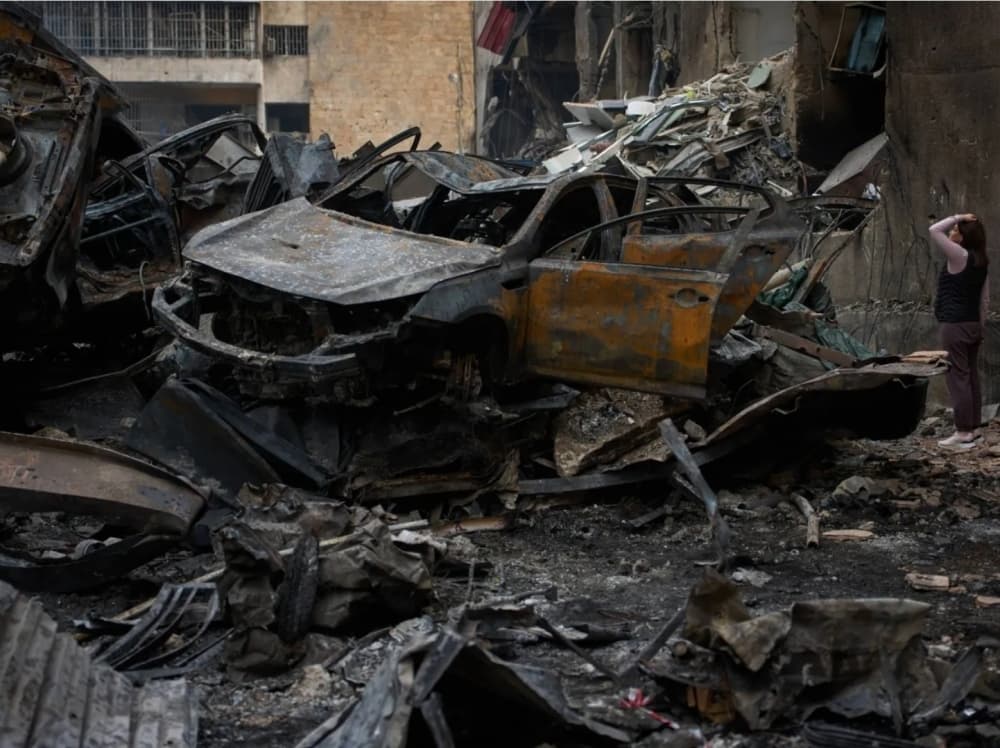
The recent negotiations between Lebanon and Israel mark a significant pivot in Middle Eastern diplomacy, driven by escalating military confrontations that have resulted in substantial loss of life. Since March 2, 2026, the conflict has intensified, with Israeli forces conducting over 100 airstrikes on April 8 alone, leading to a reported 2,055 fatalities in Lebanon. This military escalation has prompted Lebanese President Joseph Aoun to prioritize state-level diplomacy, seeking to separate the Lebanese state from Hezbollah's militant actions.
The United States has stepped in as a mediator, aiming to facilitate a ceasefire and establish a timeline for official negotiations. The initial meeting on April 15, 2026, involved key representatives, including the Lebanese and Israeli ambassadors to the US, and was characterized by a focus on state sovereignty. Israel's participation was conditioned on engaging exclusively with the Lebanese state, while Lebanon insisted on prior de-escalation measures. This dynamic illustrates the complex interplay between state authority and militia influence in Lebanon.
The backdrop of these negotiations is the broader regional context, including the recent US-Iran ceasefire, which has temporarily reduced hostilities but left underlying tensions unresolved. The Lebanese government’s diplomatic outreach is a response to military attrition and aims to strengthen state authority in the face of Hezbollah's influence. The negotiations are not just about immediate ceasefire terms; they represent a potential shift in how Lebanon engages with Israel and the international community.
The implications of these talks extend beyond the immediate conflict. A successful negotiation could lead to greater stability in the region, which has been marked by volatility and uncertainty. For investors and businesses in the Gulf, this stability is crucial, as it can influence market confidence and economic prospects. The recent $120 billion wipeout in UAE markets due to regional instability underscores the interconnectedness of these geopolitical events and their economic ramifications.
Who feels it first (and how)
- Investors in the Gulf region: Market volatility directly affects investment strategies and risk assessments.
- Tourism sectors in Dubai: Regional instability impacts travel plans, affecting tourism revenue.
- Lebanese citizens: Ongoing conflict and negotiations will influence daily life and economic conditions in Lebanon.
What to watch next
- Ceasefire developments: Any agreements reached could signal a shift in regional stability, impacting markets and travel.
- Hezbollah's response: The group's reaction to the negotiations will be crucial in determining the conflict's trajectory.
- US involvement: Increased US diplomatic efforts may lead to broader regional agreements, affecting global energy prices.
The initial meeting between Lebanese and Israeli representatives has taken place.
Continued tensions between Hezbollah and the Lebanese state will complicate negotiations.
The long-term impact of these negotiations on regional stability and economic conditions remains uncertain.
Frequently Asked Questions
- Why it matters?
- The negotiations could stabilize a volatile region, influencing global markets and energy prices.
- What happened (in 30 seconds)?
- Direct negotiations between Lebanese and Israeli representatives began on April 15, 2026, in Washington, D.C., under US mediation. Escalating military confrontations since March 2, 2026, led to over 2,000 Lebanese fatalities, prompting diplomatic outreach from Lebanon. Hezbollah's rejection of outcomes binding the group complicates the ceasefire discussions, highlighting the challenges ahead.
- What's really happening?
- The recent negotiations between Lebanon and Israel mark a significant pivot in Middle Eastern diplomacy, driven by escalating military confrontations that have resulted in substantial loss of life. Since March 2, 2026, the conflict has intensified, with Israeli forces conducting over 100 airstrikes on April 8 alone, leading to a reported 2,055 fatalities in Lebanon. This military escalation has prompted Lebanese President Joseph Aoun to prioritize state-level diplomacy, seeking to separate the L
- Who feels it first (and how)?
- Investors in the Gulf region: Market volatility directly affects investment strategies and risk assessments. Tourism sectors in Dubai: Regional instability impacts travel plans, affecting tourism revenue. Lebanese citizens: Ongoing conflict and negotiations will influence daily life and economic conditions in Lebanon.
- What to watch next?
- Ceasefire developments: Any agreements reached could signal a shift in regional stability, impacting markets and travel. Hezbollah's response: The group's reaction to the negotiations will be crucial in determining the conflict's trajectory. US involvement: Increased US diplomatic efforts may lead to broader regional agreements, affecting global energy prices.
Pan-Arab news coverage spanning politics, business, sports, and regional affairs.
"Asharq Al-Awsat reflects a broad Arab editorial perspective with strong attention to regional geopolitics."
— A47 Editor
لبنان وإسرائيل نحو «مواجهة دبلوماسية» حول وقف النار
Lebanon and Israel are set to hold a meeting in Washington tomorrow aimed at addressing decades of animosity between the two nations, focusing on issues such as a ceasefire, the withdrawal of Israeli forces, and the disarmament of Hezbollah.
Arabic-language coverage of political affairs and current events.
"Okaz political coverage typically follows mainstream Saudi framing on national and regional affairs."
— A47 Editor
واشنطن تجمع بيروت وتل أبيب: هل ينجح لبنان في فك الارتباط الإقليمي؟
Attention is focused on Washington today as a historic meeting takes place between the Lebanese ambassador and the Israeli ambassador, facilitated by the U.S. ambassador to Lebanon, Michel Aoun. This meeting signifies a pivotal shift in Lebanese poli...
Arabic-language digital news outlet covering UAE, regional, and international developments with broad general-news coverage.
"Al Ain News coverage typically blends UAE-focused reporting with wider Arab regional and international news."
— A47 Editor
كل ما تريد معرفته عن المحادثات الإسرائيلية اللبنانية في واشنطن
The first direct talks in 43 years between Israel and Lebanon are taking place in Washington, focusing on Hezbollah, although the group is not present at the negotiations. These discussions mark a significant step in addressing long-standing tensions...
Arabic-language coverage of international news and geopolitics.
"RT Arabic is a Russian state-funded outlet often criticized for promoting Kremlin-aligned narratives."
— A47 Editor
لحظة بلحظة.. بوادر تخفيف وتيرة التصعيد بين إسرائيل و"حزب الله" مع الموعد باللقاء في واشنطن
Signs of a de-escalation in tensions between Israel and Hezbollah in Lebanon have emerged following Iranian-American negotiations in Pakistan, suggesting a shift towards diplomacy rather than military confrontation as the meeting in Washington approa...
Coverage of political affairs and regional developments from a Saudi perspective.
"Al Watan political coverage typically follows a mainstream Saudi framing of regional and national issues."
— A47 Editor
مفاوضات لبنانية إسرائيلية برعاية أمريكية
In a significant political shift, Lebanon and Israel are set to hold their first direct meeting in Washington on Tuesday to discuss a ceasefire declaration and the commencement of official negotiations, following a period of escalating military tensi...
Arabic-language UAE newspaper coverage focused on domestic affairs, public institutions, business, society, and regional developments.
"Al Khaleej coverage generally reflects a mainstream UAE editorial lens with strong attention to public affairs, institutions, and regional developments."
— A47 Editor
أول اتصال لبناني إسرائيلي برعاية أمريكية.. ومحادثات في واشنطن الثلاثاء
The Lebanese presidency announced that Lebanon and Israel conducted their first communication through their ambassadors in Washington, with a meeting scheduled in the U.S. capital next Tuesday. This marks a significant step in diplomatic relations be...