
Trump Issues 48-Hour Ultimatum to Iran Over Strait of Hormuz Amid Ongoing Conflict
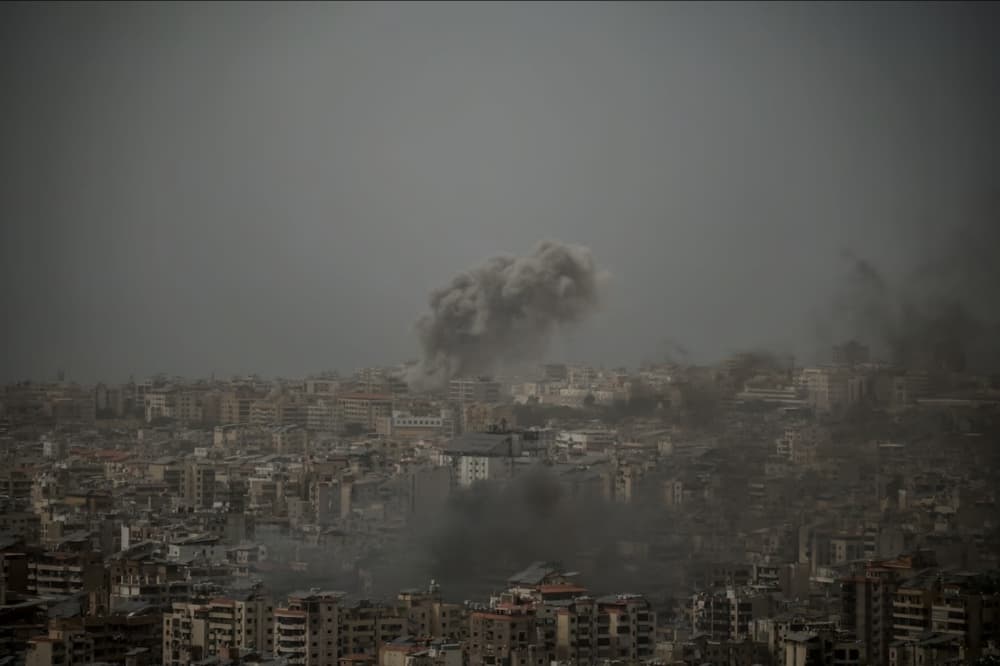
Here's what it means for you.
The escalating tensions in the Strait of Hormuz could significantly impact global oil prices and supply chains, affecting businesses and consumers worldwide.
Why it matters
The Strait of Hormuz is a critical chokepoint for global oil supply, with 20% of the world's oil passing through it.
What happened (in 30 seconds)
- On April 6, 2026, President Donald Trump issued a 48-hour ultimatum to Iran, demanding the reopening of the Strait of Hormuz or face severe military action.
- This ultimatum followed 37 days of conflict between the US-Israel coalition and Iran, marked by Iranian missile and drone attacks on Gulf states and the closure of the vital strait.
- A ceasefire was agreed on April 7, allowing for a two-week pause in hostilities, contingent on Iran's reopening of the strait.
The context you actually need
- The conflict began on February 28, 2026, with US and Israeli airstrikes targeting Iranian facilities, escalating tensions in the region.
- Iran retaliated with extensive missile attacks, damaging energy infrastructure in the UAE, Qatar, Kuwait, and Bahrain, and effectively closing the Strait of Hormuz.
- Diplomatic efforts have stalled, with previous peace initiatives failing to yield results, leading to increased military threats from both sides.
What's really happening
The current geopolitical landscape is marked by a significant escalation in hostilities between the US-Israel coalition and Iran, driven by a complex interplay of military actions, economic interests, and national security concerns. The conflict, which began with Operation Epic Wrath—a series of airstrikes targeting over 10,000 Iranian sites—has spiraled into a situation where the Strait of Hormuz, a vital artery for global oil transport, is at the center of the crisis.
The ultimatum issued by Trump is not merely a reaction to Iranian aggression; it reflects deeper strategic calculations. The US aims to reassert its dominance in the region and protect its allies, particularly Israel and Gulf states, from Iranian threats. The closure of the strait has already caused significant disruptions, with oil prices surging above $110 per barrel, impacting global markets and raising concerns about supply shortages.
Iran's response to the ultimatum is equally calculated. By threatening a permanent closure of the strait and targeting Gulf energy infrastructure, Iran seeks to leverage its strategic position to extract concessions from the US and its allies. The Iranian leadership is aware that the global economy is sensitive to oil supply disruptions, and they are using this to their advantage in negotiations.
The aftermath of the ultimatum has seen a temporary ceasefire, mediated by Pakistan, which indicates a willingness from both sides to avoid further escalation—at least for now. However, the underlying tensions remain unresolved, with Iran conditioning the reopening of the strait on compensation for war damages. This creates a precarious situation where any miscalculation could lead to renewed hostilities, further destabilizing the region and impacting global oil markets.
The economic implications are significant. Gulf states are urging for a permanent degradation of Iranian missile capabilities to prevent future threats, while the conflict has already projected a 0.4% drop in world economic growth. The situation demands close monitoring, as the interplay between military actions and economic repercussions will shape the future of energy markets and geopolitical stability.
Who feels it first (and how)
- Energy Sector: Companies reliant on oil supply chains will face increased costs and potential disruptions.
- Consumers: Rising fuel prices will impact transportation and goods prices, affecting household budgets.
- Gulf States: Nations like the UAE and Qatar will experience direct economic impacts from infrastructure damage and security threats.
- Global Markets: Investors will react to fluctuations in oil prices, influencing stock markets and economic forecasts.
What to watch next
- Iran's response to the ceasefire: Monitoring Iran's actions regarding the reopening of the Strait of Hormuz will indicate the potential for further conflict or a path to negotiation.
- Oil price fluctuations: Keep an eye on global oil prices as they react to developments in the region, which will directly affect economic stability.
- US and Israeli military strategies: Changes in military posture or new operations could escalate tensions or lead to new diplomatic efforts.
The Strait of Hormuz is critical for global oil supply, with 20% of the world's oil passing through it.
Continued military posturing from both the US-Israel coalition and Iran, with potential for further escalations.
The long-term impact of the conflict on global oil prices and economic growth remains uncertain.
Frequently Asked Questions
- Why it matters?
- The Strait of Hormuz is a critical chokepoint for global oil supply, with 20% of the world's oil passing through it.
- What happened (in 30 seconds)?
- On April 6, 2026, President Donald Trump issued a 48-hour ultimatum to Iran, demanding the reopening of the Strait of Hormuz or face severe military action. This ultimatum followed 37 days of conflict between the US-Israel coalition and Iran, marked by Iranian missile and drone attacks on Gulf states and the closure of the vital strait. A ceasefire was agreed on April 7, allowing for a two-week pause in hostilities, contingent on Iran's reopening of the strait.
- What's really happening?
- The current geopolitical landscape is marked by a significant escalation in hostilities between the US-Israel coalition and Iran, driven by a complex interplay of military actions, economic interests, and national security concerns. The conflict, which began with Operation Epic Wrath—a series of airstrikes targeting over 10,000 Iranian sites—has spiraled into a situation where the Strait of Hormuz, a vital artery for global oil transport, is at the center of the crisis. The ultimatum issued by
- Who feels it first (and how)?
- Energy Sector: Companies reliant on oil supply chains will face increased costs and potential disruptions. Consumers: Rising fuel prices will impact transportation and goods prices, affecting household budgets. Gulf States: Nations like the UAE and Qatar will experience direct economic impacts from infrastructure damage and security threats. Global Markets: Investors will react to fluctuations in oil prices, influencing stock markets and economic forecasts.
- What to watch next?
- Iran's response to the ceasefire: Monitoring Iran's actions regarding the reopening of the Strait of Hormuz will indicate the potential for further conflict or a path to negotiation. Oil price fluctuations: Keep an eye on global oil prices as they react to developments in the region, which will directly affect economic stability. US and Israeli military strategies: Changes in military posture or new operations could escalate tensions or lead to new diplomatic efforts.
Arabic-language coverage of political affairs and current events.
"Okaz political coverage typically follows mainstream Saudi framing on national and regional affairs."
— A47 Editor
وسط تفاؤل بشأن المبادرة الباكستانية.. ترمب: المفاوضات محتدمة
In a significant political development, U.S. President Donald Trump confirmed that intense negotiations are ongoing with Iran, coinciding with Pakistan's request for a two-week extension of a deadline and the opening of the Strait of Hormuz as a good...
Pan-Arab news coverage spanning politics, business, sports, and regional affairs.
"Asharq Al-Awsat reflects a broad Arab editorial perspective with strong attention to regional geopolitics."
— A47 Editor
تكثيف استهداف إيران مع اقتراب نهاية المهلة
Intensified targeting of Iranian facilities occurred yesterday as the deadline set by U.S. President Donald Trump approaches, highlighting escalating tensions in the region. A Pakistani plan to halt the ongoing conflict has faced skepticism from both...
Coverage of political affairs and regional developments from a Saudi perspective.
"Al Watan political coverage typically follows a mainstream Saudi framing of regional and national issues."
— A47 Editor
ساعات الحسم ترمب: الجحيم قادم.. وطهران: سنغلق هرمز للأبد
In the 37th day of the U.S.-Israeli war on Iran, President Donald Trump issued a final warning to Tehran, giving it 48 hours to either open the Strait of Hormuz or reach a peace agreement, threatening severe repercussions if it fails to comply. Iran ...