
Pakistan Mediates Urgent US-Iran Ceasefire Negotiations Amid Tensions
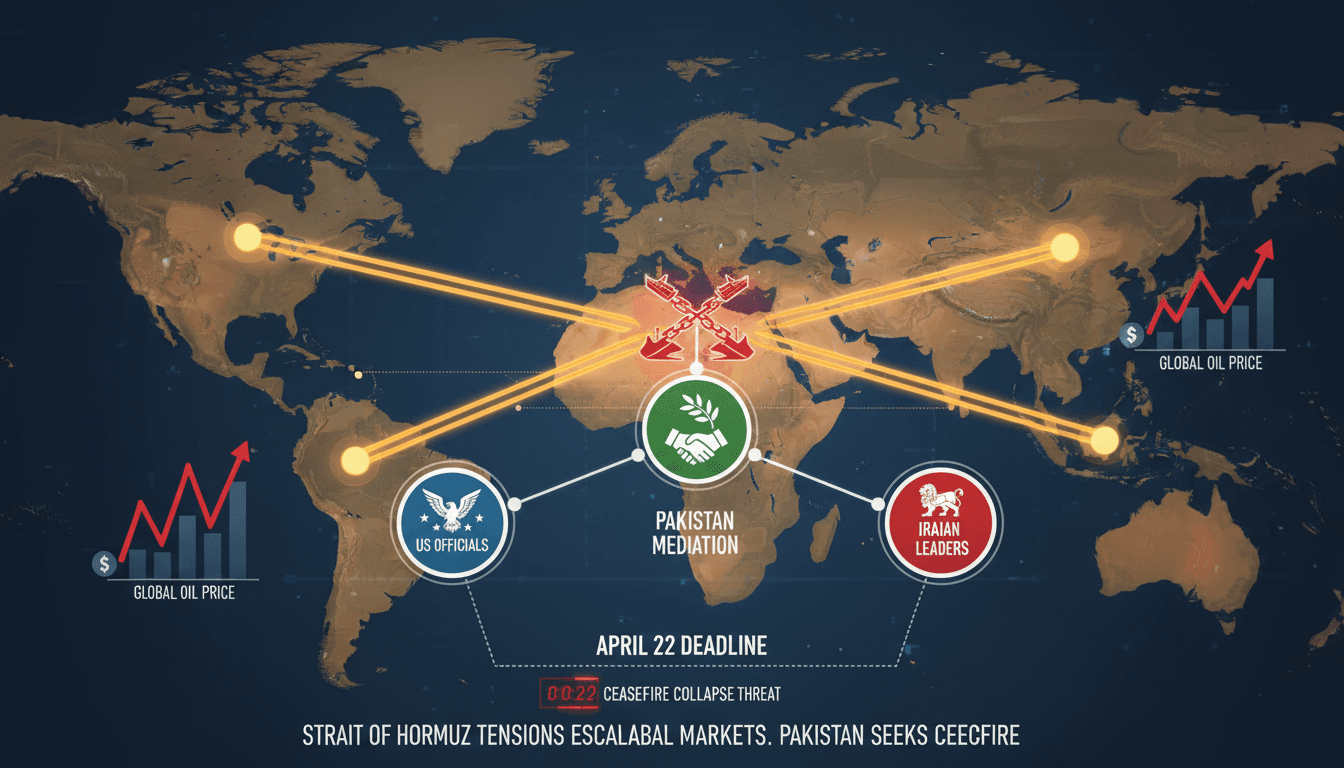
Here's what it means for you.
The outcome of US-Iran negotiations could significantly impact global oil prices and supply chains, affecting your cost of living.
Why it matters
The stability of the Strait of Hormuz is crucial for global oil transit, influencing energy prices and economic conditions worldwide.
What happened (in 30 seconds)
- Pakistani leaders engaged in urgent communications with US and Iranian officials to prevent the collapse of a two-week ceasefire.
- US naval blockade of the Strait of Hormuz, imposed on April 13, heightened tensions ahead of planned negotiations.
- Security measures in Islamabad included deploying 20,000 personnel and evacuating hotels in anticipation of US Vice President JD Vance's arrival.
The context you actually need
- The 2026 US-Iran conflict escalated from sanctions and military strikes, leading to a series of retaliatory actions and a blockade of the Strait of Hormuz.
- Pakistan's mediation role emerged from its strategic ties with both the US and Iran, facilitating a ceasefire and indirect negotiations.
- Previous talks in Islamabad failed to yield agreements on critical issues like nuclear constraints and sanctions relief, complicating the current situation.
What's really happening
The recent diplomatic efforts led by Pakistan highlight the intricate web of geopolitical tensions surrounding the US-Iran conflict. Following the escalation of hostilities in early 2026, which included US sanctions and military strikes that resulted in the death of Iranian Supreme Leader Ali Khamenei, the situation rapidly deteriorated. Iran's retaliatory missile strikes and the closure of the Strait of Hormuz on March 4 created a precarious environment for global oil supply, as this strait is responsible for approximately 20% of the world's oil transit.
In response to the escalating conflict, Pakistan brokered a two-week ceasefire that began on April 8, 2026. This ceasefire was a result of indirect communications facilitated by a US 15-point plan and initiatives from China and Pakistan. However, the first round of negotiations held on April 11-12 ended without agreement, primarily due to disagreements over nuclear constraints and sanctions relief. The US's subsequent blockade of the Strait of Hormuz intensified tensions, leading to fears of further escalation as the ceasefire approached its expiration.
As the deadline loomed, Pakistani military and diplomatic leaders reached out to key figures, including US President Donald Trump and Iranian Ambassador Reza Amiri Moghadam, to avert a collapse of the ceasefire. The Pakistani Army Chief, Field Marshal Asim Munir, emphasized the blockade as a significant barrier to negotiations, while Foreign Minister Ishaq Dar communicated with Australian Foreign Minister Penny Wong to reaffirm commitments to constructive engagement. Despite these efforts, Iran maintained a firm stance against negotiations, viewing US demands as excessive and insisting on the lifting of sanctions and control over the Strait.
The deployment of 20,000 security personnel in Islamabad underscores the seriousness of the situation, as Pakistan prepared for potential talks involving US Vice President JD Vance and Iranian representatives. The heightened security measures reflect the volatility of the region and the potential for protests or unrest, particularly given the backdrop of public sentiment regarding the conflict.
The ongoing negotiations and the US's blockade will have far-reaching implications, not only for the immediate parties involved but also for global markets, particularly oil prices. Analysts are already projecting significant price volatility, with potential surges to $150 per barrel if the situation deteriorates further.
Who feels it first (and how)
- Oil consumers: Increased fuel prices due to supply chain disruptions and heightened geopolitical tensions.
- Businesses reliant on oil: Higher operational costs affecting profitability and pricing strategies.
- Residents of Dubai: Direct impact from elevated fuel prices and potential shortages, given the region's reliance on the Strait of Hormuz for oil transit.
What to watch next
- Iran's response: Monitor Iran's willingness to engage in negotiations and any shifts in its stance regarding US demands, as this will influence regional stability.
- US military actions: Keep an eye on any escalations in US military presence or actions in the region, particularly concerning the Strait of Hormuz.
- Global oil prices: Watch for fluctuations in oil prices, especially if the ceasefire collapses or if further sanctions are imposed.
The US-Iran conflict has escalated significantly, with a ceasefire currently in place.
Continued volatility in oil prices and potential disruptions in global supply chains.
The outcome of the second round of negotiations and Iran's participation in them.
Frequently Asked Questions
- Why it matters?
- The stability of the Strait of Hormuz is crucial for global oil transit, influencing energy prices and economic conditions worldwide.
- What happened (in 30 seconds)?
- Pakistani leaders engaged in urgent communications with US and Iranian officials to prevent the collapse of a two-week ceasefire. US naval blockade of the Strait of Hormuz, imposed on April 13, heightened tensions ahead of planned negotiations. Security measures in Islamabad included deploying 20,000 personnel and evacuating hotels in anticipation of US Vice President JD Vance's arrival.
- What's really happening?
- The recent diplomatic efforts led by Pakistan highlight the intricate web of geopolitical tensions surrounding the US-Iran conflict. Following the escalation of hostilities in early 2026, which included US sanctions and military strikes that resulted in the death of Iranian Supreme Leader Ali Khamenei, the situation rapidly deteriorated. Iran's retaliatory missile strikes and the closure of the Strait of Hormuz on March 4 created a precarious environment for global oil supply, as this strait is
- Who feels it first (and how)?
- Oil consumers: Increased fuel prices due to supply chain disruptions and heightened geopolitical tensions. Businesses reliant on oil: Higher operational costs affecting profitability and pricing strategies. Residents of Dubai: Direct impact from elevated fuel prices and potential shortages, given the region's reliance on the Strait of Hormuz for oil transit.
- What to watch next?
- Iran's response: Monitor Iran's willingness to engage in negotiations and any shifts in its stance regarding US demands, as this will influence regional stability. US military actions: Keep an eye on any escalations in US military presence or actions in the region, particularly concerning the Strait of Hormuz. Global oil prices: Watch for fluctuations in oil prices, especially if the ceasefire collapses or if further sanctions are imposed.
Arabic-language coverage of political affairs and current events.
"Okaz political coverage typically follows mainstream Saudi framing on national and regional affairs."
— A47 Editor
اتصالات باكستانية لمنع انهيار الهدنة واستئناف المفاوضات بين إيران وأمريكا
Pakistan is intensifying its communications to facilitate a second round of negotiations between the United States and Iran, aiming for a meeting by Tuesday, just before the two-week ceasefire deadline expires, as reported by Reuters. Pakistani Army ...
Pan-Arab news coverage spanning politics, business, sports, and regional affairs.
"Asharq Al-Awsat reflects a broad Arab editorial perspective with strong attention to regional geopolitics."
— A47 Editor
قائد الجيش الباكستاني يبلغ ترمب أن حصار موانئ إيران يعرقل المحادثات
A Pakistani security source reported that U.S. President Donald Trump informed Army Chief General Asim Munir during a phone call that he would consider his advice regarding the blockade of Iranian ports. This communication highlights ongoing geopolit...
Arabic-language political and world news coverage for UAE readers.
"Emarat Al Youm world coverage usually presents international developments through a UAE and Arab audience lens."
— A47 Editor
ترامب عازياً السبب: فانس لن يتوجه الى باكستان للمباحثات مع إيران ترامب عازياً السبب: فانس لن يتوجه الى باكستان للمباحثات مع إيران
U.S. President Donald Trump announced in an interview with ABC News that Vice President J.D. Vance will not lead the American delegation in upcoming talks with Iran in Pakistan. This decision marks a significant shift in the diplomatic approach towar...