
Iran's Blockade of the Strait of Hormuz Causes Historic Global Energy Supply Disruption
Here's what it means for you.
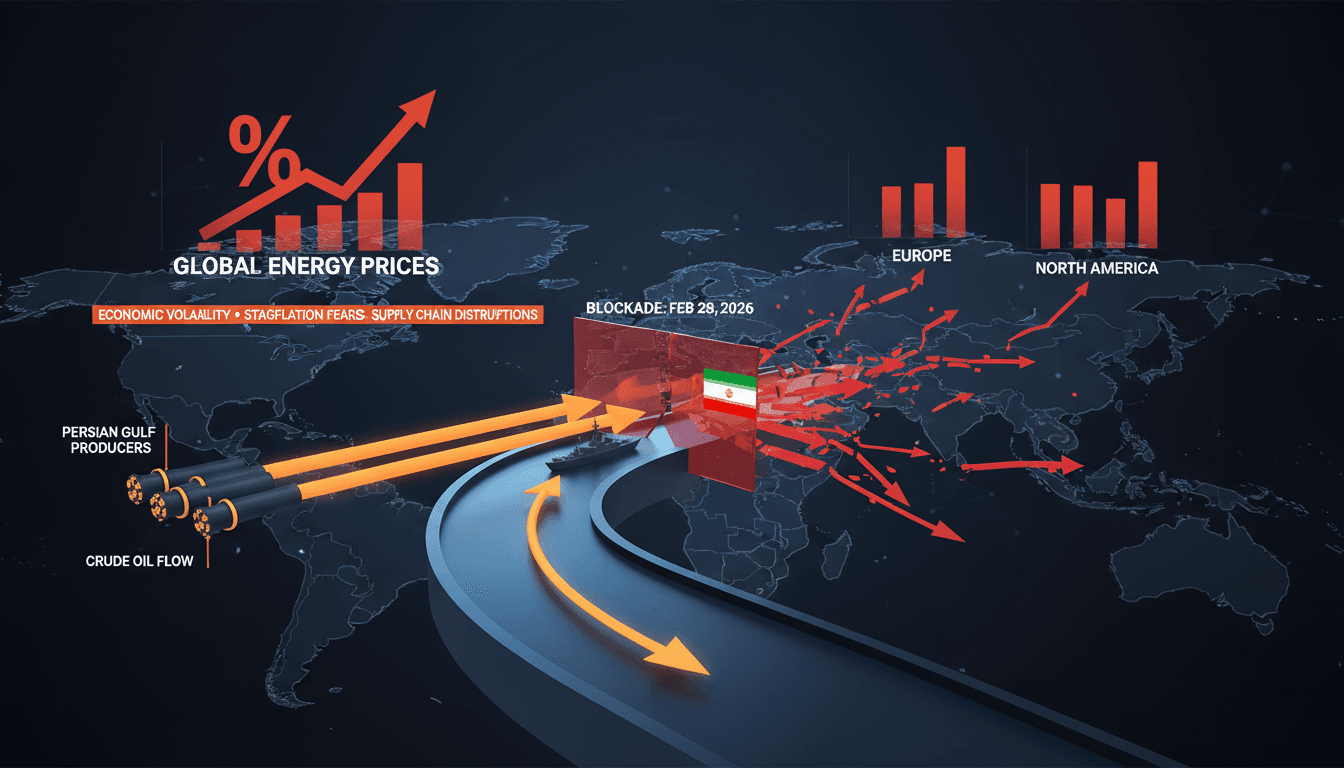
The ongoing blockade of the Strait of Hormuz is driving up global energy prices, impacting your daily costs and economic stability.
Why it matters
This blockade disrupts nearly 20% of the world's oil and gas supply, triggering widespread economic volatility and inflation.
What happened (in 30 seconds)
- February 28, 2026: Iran imposes a blockade on the Strait of Hormuz in retaliation for U.S. and Israeli strikes.
- March 2026: The International Energy Agency (IEA) reports an 8 million barrels per day drop in global oil supply and authorizes a historic release from strategic reserves.
- April 7, 2026: IEA Executive Director Fatih Birol declares the crisis more severe than previous oil shocks from 1973, 1979, and 2022.
The context you actually need
- Strait of Hormuz: This strategic chokepoint is crucial for global energy, with around 20 million barrels of oil equivalents transiting daily.
- Geopolitical tensions: The blockade follows escalating conflicts in the Middle East, exacerbating existing vulnerabilities in global energy markets.
- OPEC dynamics: Member countries are adhering to production quotas, limiting their ability to compensate for the supply loss caused by the blockade.
What's really happening
The blockade of the Strait of Hormuz, initiated by Iran's response to military strikes from Israel and the United States, has created an unprecedented disruption in global energy supplies. This strategic waterway is vital, facilitating nearly 20% of the world's oil and liquefied natural gas. The International Energy Agency (IEA) reported an alarming 8 million barrels per day plunge in global oil supply for March 2026, marking a significant escalation in the ongoing energy crisis.
The IEA's response included an unprecedented release of 400 million barrels from member strategic reserves to mitigate the impact of the blockade. This move highlights the urgency of the situation, as countries scramble to address soaring energy prices and supply shortages. The crisis has also prompted OPEC members, including Iraq, the UAE, Oman, and Kazakhstan, to reaffirm their commitment to production quotas, despite the pressures of the blockade. Their adherence to these quotas indicates a calculated approach to maintain market stability, even as they face the fallout from the geopolitical tensions.
As the blockade continues, the economic ramifications are becoming increasingly evident. Fuel prices in the UAE surged by a record 33.3% in April 2026, the largest monthly increase ever, which will likely affect transportation, groceries, and energy costs for consumers. The broader inflationary pressures resulting from disrupted imports and global market shocks are expected to hit developing nations hardest, exacerbating food price hikes and economic instability.
In the financial markets, the S&P 500 has already seen a decline of 3.9% since the conflict began, reflecting investor concerns over sustained high oil prices and potential stagflation risks. As the situation unfolds, the geopolitical landscape will continue to influence energy markets, with the potential for further escalations or negotiations impacting supply and pricing.
Who feels it first (and how)
- Consumers: Higher fuel prices will increase transportation and grocery costs, impacting daily expenses.
- Businesses: Companies reliant on energy will face rising operational costs, potentially leading to price increases for goods and services.
- Developing nations: Countries with limited resources will experience accelerated inflation and food price hikes, straining their economies.
- Investors: Market volatility may lead to losses in portfolios, particularly in sectors sensitive to energy prices.
What to watch next
- Strategic reserve withdrawals: Monitor how effectively the IEA's release of reserves mitigates supply shortages and stabilizes prices.
- OPEC production adjustments: Watch for any changes in production quotas or strategies from OPEC members in response to the blockade's impact.
- Geopolitical developments: Keep an eye on diplomatic efforts or military escalations that could either resolve or exacerbate the situation in the Strait of Hormuz.
The Strait of Hormuz blockade is causing significant disruptions in global energy supplies.
Fuel prices will continue to rise, impacting consumer costs and economic stability.
The duration of the blockade and its long-term effects on global energy markets remain uncertain.
Frequently Asked Questions
- Why it matters?
- This blockade disrupts nearly 20% of the world's oil and gas supply, triggering widespread economic volatility and inflation.
- What happened (in 30 seconds)?
- February 28, 2026: Iran imposes a blockade on the Strait of Hormuz in retaliation for U.S. and Israeli strikes. March 2026: The International Energy Agency (IEA) reports an 8 million barrels per day drop in global oil supply and authorizes a historic release from strategic reserves. April 7, 2026: IEA Executive Director Fatih Birol declares the crisis more severe than previous oil shocks from 1973, 1979, and 2022.
- What's really happening?
- The blockade of the Strait of Hormuz, initiated by Iran's response to military strikes from Israel and the United States, has created an unprecedented disruption in global energy supplies. This strategic waterway is vital, facilitating nearly 20% of the world's oil and liquefied natural gas. The International Energy Agency (IEA) reported an alarming 8 million barrels per day plunge in global oil supply for March 2026, marking a significant escalation in the ongoing energy crisis. The IEA's resp
- Who feels it first (and how)?
- Consumers: Higher fuel prices will increase transportation and grocery costs, impacting daily expenses. Businesses: Companies reliant on energy will face rising operational costs, potentially leading to price increases for goods and services. Developing nations: Countries with limited resources will experience accelerated inflation and food price hikes, straining their economies. Investors: Market volatility may lead to losses in portfolios, particularly in sectors sensitive to energy pric
- What to watch next?
- Strategic reserve withdrawals: Monitor how effectively the IEA's release of reserves mitigates supply shortages and stabilizes prices. OPEC production adjustments: Watch for any changes in production quotas or strategies from OPEC members in response to the blockade's impact. Geopolitical developments: Keep an eye on diplomatic efforts or military escalations that could either resolve or exacerbate the situation in the Strait of Hormuz.
Pan-Arab news coverage spanning politics, business, sports, and regional affairs.
"Asharq Al-Awsat reflects a broad Arab editorial perspective with strong attention to regional geopolitics."
— A47 Editor
وكالة الطاقة الدولية: لم يشهد العالم من قبل انقطاعاً في الإمدادات بهذه الضخامة
Fatih Birol, the Director of the International Energy Agency, stated on Tuesday that the world has never experienced such a massive disruption in energy supplies, referencing the current situation resulting from the war in Iran.
Sports reporting with a focus on Saudi and regional competitions.
"Okaz sports coverage is broad and audience-friendly, with strong attention to Saudi teams and leagues."
— A47 Editor
«الطاقة الدولية» تحذر: «أبريل أسود» ينتظر العالم بسبب أزمة النفط والغاز
Fatih Birol, the head of the International Energy Agency, warned that the ongoing energy crisis linked to the Middle East conflict is the worst the world has ever faced, predicting a significantly more challenging April compared to March. He emphasiz...
Sports reporting with a focus on Saudi and regional competitions.
"Okaz sports coverage is broad and audience-friendly, with strong attention to Saudi teams and leagues."
— A47 Editor
«الطاقة الدولية» تحذر: لا تكدسوا الوقود ولا تقيدوا الصادرات
Fatih Birol, the head of the International Energy Agency, warned against the temptation for countries to stockpile oil and fuel amid the energy crisis caused by the U.S.-Israeli war on Iran, emphasizing that supplies could dwindle further if the Stra...