
U.S. Ambassador Defends Trump's Military Threats Against Iran's Infrastructure
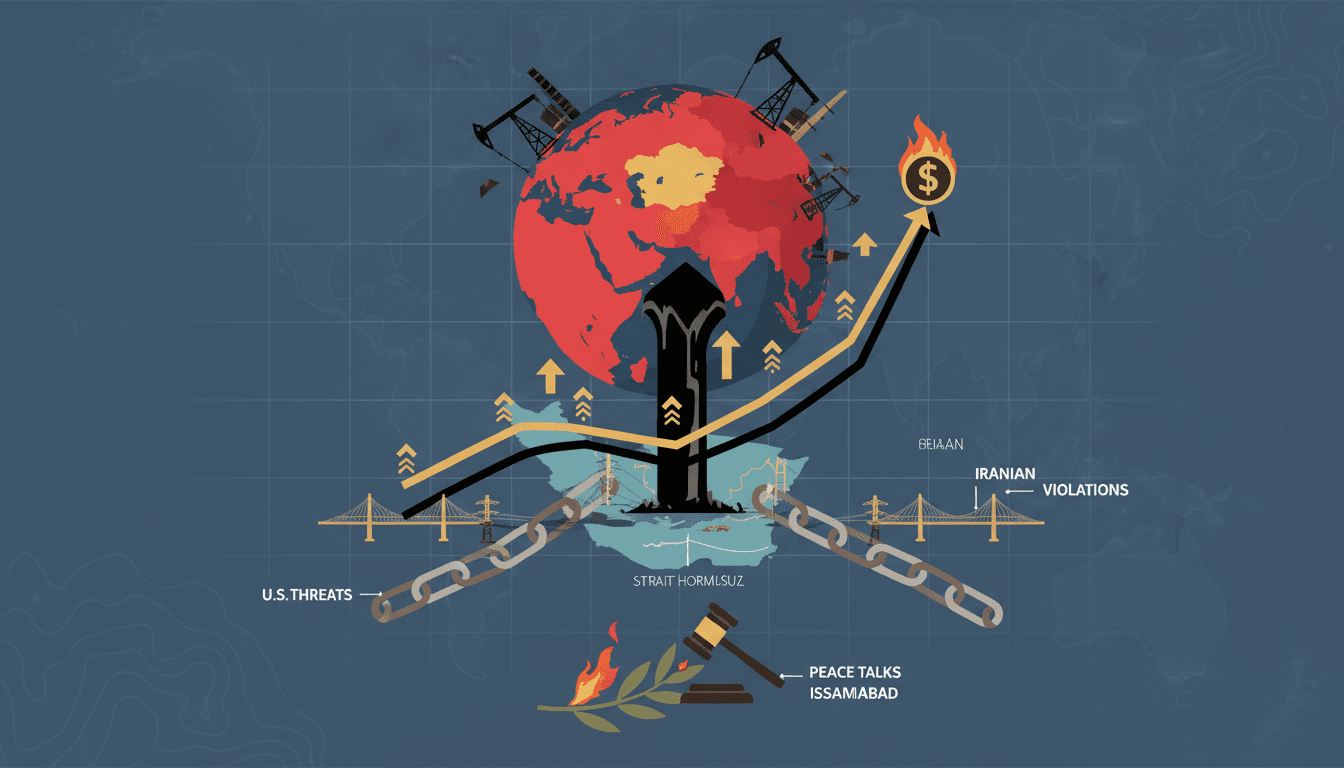
Here's what it means for you.
The escalating U.S.-Iran tensions could impact global energy markets and regional stability, affecting your business operations and investments.
Why it matters
The potential for military escalation in the Middle East poses risks to energy supply chains and geopolitical stability.
What happened (in 30 seconds)
- U.S. Ambassador Mike Waltz defended President Trump's threats to target Iranian power plants and bridges as acceptable under the laws of war.
- Trump's ultimatum followed accusations of Iranian ceasefire violations in the Strait of Hormuz, amid ongoing peace talks in Islamabad.
- The 2026 U.S.-Iran conflict has already resulted in 3,636 reported fatalities since its onset in March.
The context you actually need
- The conflict began with U.S. and Israeli strikes on Iranian military sites in response to Iranian missile attacks on Israel and Gulf allies.
- Iran's military tactics involve hiding military assets within civilian infrastructure, complicating the legality of potential U.S. strikes.
- Global oil prices have already shown volatility due to the ongoing tensions, impacting economies reliant on stable energy supplies.
What's really happening
The recent statements from U.S. officials, particularly Ambassador Mike Waltz, reflect a significant shift in military strategy and rhetoric regarding Iran. The justification for targeting civilian infrastructure, such as power plants and bridges, hinges on the assertion that Iran is using these facilities to shield military operations. This tactic of blending military and civilian assets complicates the legal landscape under international law, particularly the Geneva Conventions, which aim to protect civilian infrastructure during conflicts.
The U.S. administration's stance is rooted in a broader strategy to deter Iranian aggression in the region, particularly following a series of missile attacks on Gulf allies and shipping routes in the Strait of Hormuz. Trump's ultimatum, which threatens comprehensive strikes if Iran does not comply with U.S. demands, is a calculated move to leverage military pressure in ongoing diplomatic negotiations. The U.S. aims to compel Iran to cease its aggressive actions and engage in meaningful dialogue, with the hope that such threats will lead to concessions.
However, this approach carries significant risks. The potential for civilian casualties and infrastructure damage raises ethical and legal questions, prompting backlash from international law experts and humanitarian organizations. Critics argue that such threats could constitute war crimes, further complicating the U.S.'s position on the global stage. The ongoing ceasefire negotiations in Islamabad are critical; if they fail, the likelihood of military escalation increases, which could destabilize the entire region.
Moreover, the economic implications are profound. The conflict has already led to increased oil prices, affecting global markets and economies dependent on stable energy supplies. The UAE, for instance, has heightened its military readiness in response to Iranian threats, indicating that regional players are preparing for potential fallout. As tensions rise, businesses operating in or with ties to the Gulf region must navigate a landscape fraught with uncertainty and risk.
Who feels it first (and how)
- Energy sector professionals: Fluctuating oil prices and potential supply disruptions could impact profitability and operational planning.
- Investors in Middle Eastern markets: Increased geopolitical risk may lead to volatility in stock prices and investment returns.
- Logistics and shipping companies: Heightened military tensions in the Strait of Hormuz could disrupt shipping routes and increase insurance costs.
- Local populations in the Gulf: Civilians may face increased risks from military actions and economic instability.
What to watch next
- Ceasefire negotiations: The outcome of talks in Islamabad will be crucial in determining whether military actions escalate or de-escalate.
- Global oil price trends: Watch for fluctuations in oil prices as tensions rise, which could signal broader economic impacts.
- International legal responses: Monitor reactions from international law bodies regarding the legality of U.S. threats and potential implications for military engagement.
The U.S.-Iran conflict has resulted in significant fatalities and heightened military tensions in the region.
Continued volatility in global oil markets as a result of the ongoing conflict and threats.
The long-term effectiveness of U.S. military threats in achieving diplomatic resolutions with Iran.
Frequently Asked Questions
- Why it matters?
- The potential for military escalation in the Middle East poses risks to energy supply chains and geopolitical stability.
- What happened (in 30 seconds)?
- U.S. Ambassador Mike Waltz defended President Trump's threats to target Iranian power plants and bridges as acceptable under the laws of war. Trump's ultimatum followed accusations of Iranian ceasefire violations in the Strait of Hormuz, amid ongoing peace talks in Islamabad. The 2026 U.S.-Iran conflict has already resulted in 3,636 reported fatalities since its onset in March.
- What's really happening?
- The recent statements from U.S. officials, particularly Ambassador Mike Waltz, reflect a significant shift in military strategy and rhetoric regarding Iran. The justification for targeting civilian infrastructure, such as power plants and bridges, hinges on the assertion that Iran is using these facilities to shield military operations. This tactic of blending military and civilian assets complicates the legal landscape under international law, particularly the Geneva Conventions, which aim to p
- Who feels it first (and how)?
- Energy sector professionals: Fluctuating oil prices and potential supply disruptions could impact profitability and operational planning. Investors in Middle Eastern markets: Increased geopolitical risk may lead to volatility in stock prices and investment returns. Logistics and shipping companies: Heightened military tensions in the Strait of Hormuz could disrupt shipping routes and increase insurance costs. Local populations in the Gulf: Civilians may face increased risks from military a
- What to watch next?
- Ceasefire negotiations: The outcome of talks in Islamabad will be crucial in determining whether military actions escalate or de-escalate. Global oil price trends: Watch for fluctuations in oil prices as tensions rise, which could signal broader economic impacts. International legal responses: Monitor reactions from international law bodies regarding the legality of U.S. threats and potential implications for military engagement.
Capitol Hill news, legislation, and policy insight.
"The Hill specializes in U.S. politics and policy, with a focus on Capitol Hill developments and a reputation for insider reporting."
— A47 Editor
Waltz says Trump's threats against Iranian civilian infrastructure 'perfectly acceptable'
U.S. Ambassador to the United Nations Mike Waltz defended President Trump's threats to target Iranian civilian infrastructure, asserting that such actions are 'perfectly acceptable' if Iran does not agree to a proposed peace deal. Trump emphasized th...
Conservative-leaning political and national coverage.
"The Washington Times is a conservative-leaning newspaper known for its political coverage and advocacy of right-of-center viewpoints."
— A47 Editor
U.N. Ambassador Mike Waltz says Iran desperate for a deal after Strait of Hormuz reversal
U.S. Ambassador to the United Nations Mike Waltz characterized Iran's leadership as chaotic and desperate for a deal following recent tensions in the Strait of Hormuz. This statement reflects ongoing concerns about Iran's stability and its nuclear am...