
Trump Announces Two-Week Ceasefire in US–Israel–Iran Conflict
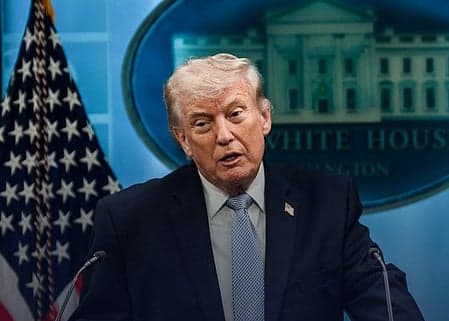
Here's what it means for you.
The recent ceasefire could stabilize oil prices and enhance security in the Gulf, impacting global markets and energy costs.
Why it matters
This ceasefire is pivotal for global oil supply chains and geopolitical stability in the Middle East.
What happened (in 30 seconds)
- Trump announced a two-week ceasefire with Iran, contingent on reopening the Strait of Hormuz.
- Israel agreed to halt bombing operations, while Pakistan mediates peace talks scheduled for April 10.
- Missile exchanges continued until the ceasefire, with significant military activity across the region.
The context you actually need
- Conflict escalation began in early March 2026, with U.S. and Israeli strikes on Iranian targets following Iran's closure of the Strait of Hormuz.
- Over 15,000 strikes and missile interceptions have occurred, resulting in significant casualties and heightened regional tensions.
- Iran's 10-point peace proposal was accepted by Trump, leading to the current ceasefire and potential for diplomatic resolution.
What's really happening
The U.S.-Israel-Iran conflict has reached a critical juncture, with the announcement of a two-week ceasefire marking a potential turning point in hostilities that began in early March 2026. The conflict was ignited when Iran closed the Strait of Hormuz, a crucial maritime route for global oil shipments, and launched missile attacks against Israel. In response, the U.S. and Israel conducted extensive military operations targeting Iranian military and infrastructure sites, leading to a dramatic escalation characterized by over 15,000 strikes and significant civilian casualties, particularly in Lebanon.
The ceasefire, announced by President Trump, is contingent upon the immediate reopening of the Strait of Hormuz, which is vital for oil transport. The agreement reflects a shift in strategy, as both the U.S. and Israel face pressure to de-escalate tensions and stabilize the region. The involvement of Pakistan as a mediator underscores the complexity of the situation and the need for a broader diplomatic approach.
Iran's acceptance of the ceasefire, framed as a strategic success, indicates a willingness to engage in negotiations, albeit under the threat of continued military action if their demands are not met. The situation remains precarious, with defensive operations still in place and the potential for renewed hostilities if the ceasefire collapses.
The implications of this ceasefire extend beyond immediate military concerns. A decline in oil prices, evidenced by a 7% drop in the U.S. WTI crude oil benchmark to $105.12 per barrel following the announcement, suggests that markets are reacting positively to the prospect of reduced conflict. This could lead to lower energy costs for consumers and businesses globally, particularly in regions heavily reliant on oil imports.
Moreover, the ceasefire may provide a temporary reprieve for the Gulf Cooperation Council (GCC) states, which have been on high alert due to the conflict. The UAE, Qatar, Saudi Arabia, Bahrain, and Kuwait have all taken defensive measures in response to missile threats, and the current agreement may allow for a reassessment of their security postures.
Who feels it first (and how)
- Energy sector professionals: Fluctuations in oil prices directly impact their operations and profitability.
- Gulf residents: Increased security measures and alerts affect daily life and business operations.
- Global investors: Market stability in the Middle East influences investment decisions and risk assessments.
What to watch next
- Peace talks in Islamabad: Scheduled for April 10, these discussions will be crucial in determining the future of U.S.-Iran relations and regional stability.
- Oil price fluctuations: Continued monitoring of crude oil prices will indicate market reactions to the ceasefire and any subsequent developments.
- Military readiness in the GCC: Observing how GCC states adjust their defensive postures in response to the ceasefire will provide insights into regional security dynamics.
The ceasefire is currently in effect for two weeks, with defensive operations ongoing.
Oil prices may stabilize or decline further if the ceasefire holds and peace talks progress.
The long-term effectiveness of the ceasefire and the potential for renewed hostilities remain uncertain.
Frequently Asked Questions
- Why it matters?
- This ceasefire is pivotal for global oil supply chains and geopolitical stability in the Middle East.
- What happened (in 30 seconds)?
- Trump announced a two-week ceasefire with Iran, contingent on reopening the Strait of Hormuz. Israel agreed to halt bombing operations, while Pakistan mediates peace talks scheduled for April 10. Missile exchanges continued until the ceasefire, with significant military activity across the region.
- What's really happening?
- The U.S.-Israel-Iran conflict has reached a critical juncture, with the announcement of a two-week ceasefire marking a potential turning point in hostilities that began in early March 2026. The conflict was ignited when Iran closed the Strait of Hormuz, a crucial maritime route for global oil shipments, and launched missile attacks against Israel. In response, the U.S. and Israel conducted extensive military operations targeting Iranian military and infrastructure sites, leading to a dramatic es
- Who feels it first (and how)?
- Energy sector professionals: Fluctuations in oil prices directly impact their operations and profitability. Gulf residents: Increased security measures and alerts affect daily life and business operations. Global investors: Market stability in the Middle East influences investment decisions and risk assessments.
- What to watch next?
- Peace talks in Islamabad: Scheduled for April 10, these discussions will be crucial in determining the future of U.S.-Iran relations and regional stability. Oil price fluctuations: Continued monitoring of crude oil prices will indicate market reactions to the ceasefire and any subsequent developments. Military readiness in the GCC: Observing how GCC states adjust their defensive postures in response to the ceasefire will provide insights into regional security dynamics.
Macro commentary, policy analysis, growth/inflation themes, and global outlooks.
"Contextual macro coverage that complements day-to-day market headlines."
— A47 Editor
Iran latest: Tehran calls ceasefire ’unreasonable’ after violation accusations
Iran has labeled the recent ceasefire agreement as 'unreasonable' following accusations of violations, indicating a tense atmosphere in ongoing diplomatic negotiations. This response from Tehran comes amidst a backdrop of military threats and heighte...
Comprehensive coverage of Middle Eastern and global issues.
"Al Jazeera is a prominent voice from the Global South, especially the Middle East, with an emphasis on underreported stories."
— A47 Editor
Trump agrees to pause attacks on Iran if Strait of Hormuz opens
U.S. President Donald Trump has agreed to pause military actions against Iran for two weeks, contingent upon Iran's agreement to reopen the strategic Strait of Hormuz. This decision follows a series of escalating tensions and ultimatums between the t...
Global news coverage with extensive reporting on Middle Eastern conflicts and geopolitics.
"Al Jazeera is a Qatar-based broadcaster known for wide regional coverage and alternative perspectives."
— A47 Editor
Trump agrees to pause attacks on Iran if Strait of Hormuz opens
U.S. President Donald Trump has agreed to pause military actions against Iran for two weeks, contingent upon Iran's agreement to reopen the strategic Strait of Hormuz. This decision follows a series of escalating tensions and ultimatums between the t...
Comprehensive coverage of global events, politics, and international issues.
"NBC News is a mainstream outlet known for comprehensive national and international coverage with a centrist to slightly left-leaning editorial tone."
— A47 Editor
Trump announces a two-week pause on Iran strikes
President Trump announced a two-week pause on military strikes against Iran, contingent upon the country's agreement to reopen the strategically vital Strait of Hormuz. This announcement follows a series of escalating threats from Trump, who previous...
Oil, metals, and agriculture: supply/demand headlines, OPEC chatter, inventories, and price action.
"Solid tape for energy and metals traders tracking macro and micro catalysts."
— A47 Editor
Trump says he agrees to suspend bombing of Iran for two weeks
Former President Donald Trump has agreed to suspend bombing operations against Iran for a two-week period, marking a significant shift in military strategy amid ongoing diplomatic negotiations. This ceasefire aims to reduce escalating tensions in the...
Business, investment, entrepreneurship, leadership, and innovation.
"Forbes is known for its coverage of business leaders, market trends, and entrepreneurial ventures with a pro-business editorial stance."
— A47 Editor
Trump Calls Off Iran Attack—Suddenly Proclaims Conflict ‘Close To Resolution’
President Donald Trump has called off a planned military attack on Iran, stating that the conflict is 'close to resolution' while giving Iran a deadline of 8 p.m. for reopening the Strait of Hormuz. This decision follows escalating tensions and threa...
24/7 international news from a French perspective in multiple languages.
"France 24 is viewed as a globally focused outlet with balanced coverage and a European perspective."
— A47 Editor
Trump agrees to suspend attack on Iran for two weeks
U.S. President Donald Trump has agreed to suspend military action against Iran for two weeks, following discussions with Pakistan. This decision comes amid heightened tensions in the Middle East, where Trump had previously issued threats regarding Ir...
Arabic-language digital news outlet covering UAE, regional, and international developments with broad general-news coverage.
"Al Ain News coverage typically blends UAE-focused reporting with wider Arab regional and international news."
— A47 Editor
«رهن بفتح مضيق هرمز».. ترامب يوافق على وقف قصف إيران لمدة أسبوعين
U.S. President Donald Trump has agreed to Iran's proposal to halt airstrikes against the country for a period of two weeks, contingent upon Iran's decision to open the Strait of Hormuz.
UAE-based newspaper covering Gulf politics, society, and international developments.
"Gulf News is one of the UAE’s most prominent English-language publications."
— A47 Editor
US–Israel war on Iran, day 40: Trump agrees to suspend attack on Iran by two weeks
On day 40 of the US-Israel military campaign against Iran, President Donald Trump has agreed to postpone military action against Iran for two weeks. This decision comes amid escalating tensions and a stark ultimatum issued to Iran, demanding the reop...
A curated Gulf News feed featuring major stories across news, business, opinion, and lifestyle.
"Gulf News is a major UAE newspaper whose featured stories feed reflects a broad editorial mix shaped for a Gulf audience."
— A47 Editor
US–Israel war on Iran, day 40: Trump agrees to suspend attack on Iran by two weeks
On day 40 of the US-Israel military campaign against Iran, President Donald Trump has agreed to postpone military action against Iran for two weeks. This decision comes amid escalating tensions and a stark ultimatum issued to Iran, demanding the reop...