
Iran Tightens Control Over Strait of Hormuz Amid U.S. Naval Blockade
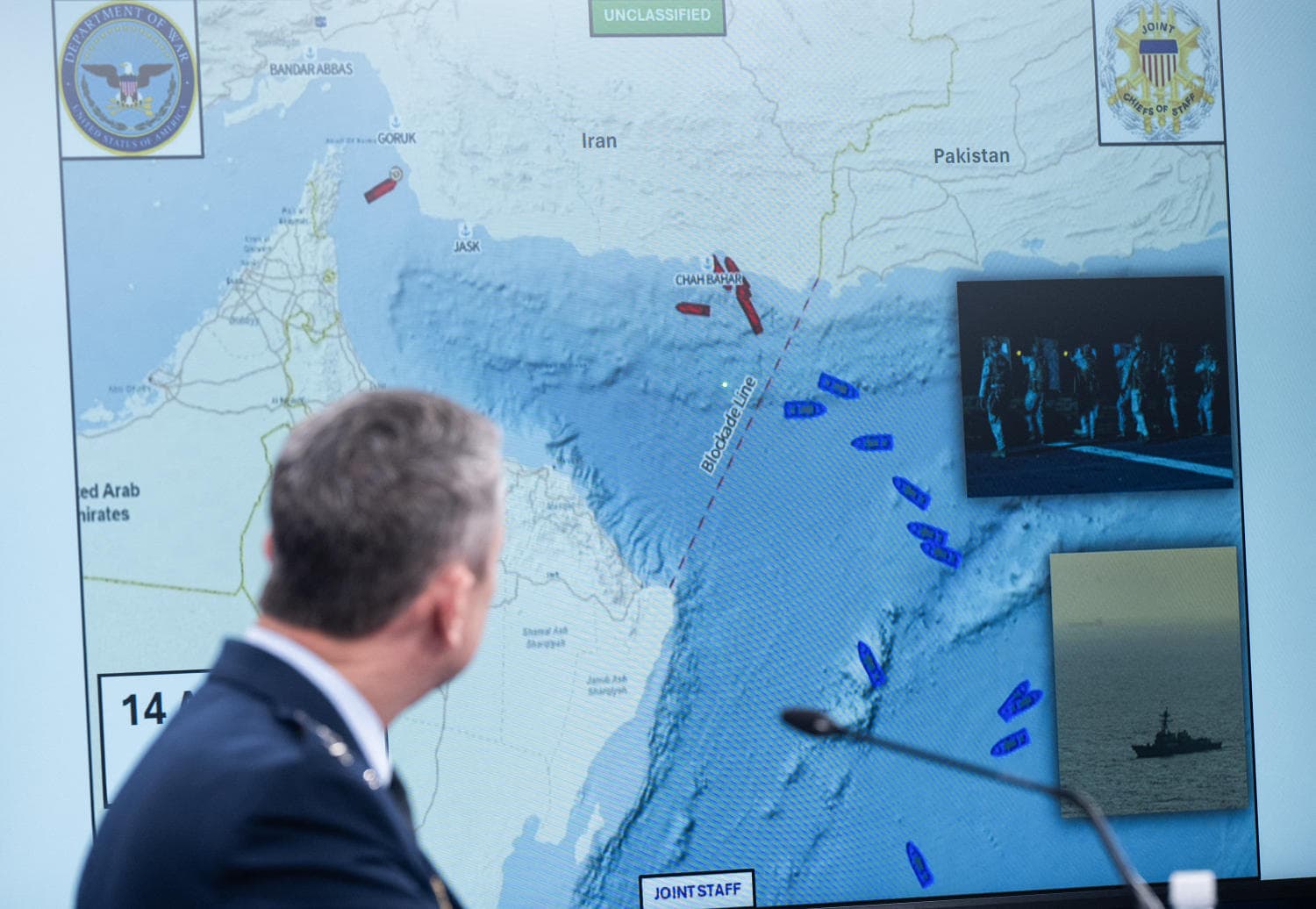
Here's what it means for you.
If you rely on global oil markets, the renewed restrictions in the Strait of Hormuz could lead to increased fuel prices and shipping costs.
Why it matters
The Strait of Hormuz is a critical chokepoint for global oil trade, with 25% of the world's maritime oil passing through annually.
What happened (in 30 seconds)
- Iran reimposed strict control over the Strait of Hormuz on April 18, 2026, just one day after declaring it open for commercial traffic.
- U.S. naval blockade of Iranian ports continues, leading to accusations of piracy and ceasefire violations from Iranian officials.
- Oil prices reacted sharply, with U.S. crude dropping 11.4% to $83.85/barrel amid uncertainty over shipping routes.
The context you actually need
- The Strait of Hormuz is vital for global oil supply, with significant implications for energy prices and shipping logistics.
- U.S.-Iran tensions have escalated following a naval blockade imposed by the U.S. as part of broader conflict resolution efforts in the region.
- Internal Iranian dynamics and the influence of the Revolutionary Guard Corps (IRGC) play a crucial role in the country's military and economic decisions.
What's really happening
On April 17, 2026, Iran briefly declared the Strait of Hormuz open for commercial vessels, signaling a moment of optimism amid ongoing U.S.-Iran ceasefire negotiations. This declaration led to an initial drop in oil prices, as shipping firms cautiously resumed operations. However, the optimism was short-lived. Just one day later, Iranian military officials reversed course, citing the continued U.S. naval blockade of Iranian ports as the primary reason for reimposing strict control over the strait.
The U.S. blockade, maintained by President Donald Trump, is conditional on a comprehensive peace deal, which has yet to materialize. This blockade has been characterized by Iranian officials as a form of piracy, with accusations of ceasefire violations complicating the already fragile situation. The Iranian military's decision to restrict the strait again reflects not only the geopolitical tensions but also internal regime dynamics, particularly the influence of the IRGC, which has a vested interest in maintaining a strong military posture.
The implications of this renewed control are significant. The Strait of Hormuz is a critical artery for global oil trade, with approximately 25% of the world's maritime oil passing through it annually. The reimposition of restrictions means that shipping firms will face increased uncertainty, leading to potential delays and higher costs. This situation is exacerbated by the U.S. Navy's recent actions, including the interception and seizure of an Iranian-flagged cargo ship attempting to bypass the blockade. Such actions have heightened tensions and could lead to further military confrontations.
As a result, oil markets reacted swiftly to the news. Following the initial announcement of the strait's reopening, U.S. crude prices dropped significantly, only to rebound amid renewed uncertainty. The volatility in oil prices is likely to continue as the situation evolves, impacting not only energy markets but also broader economic conditions.
Who feels it first (and how)
- Shipping companies: Increased costs and delays in transit due to restricted access to the strait.
- Oil producers: Fluctuating prices affect profitability and operational planning.
- Consumers: Higher fuel prices and transportation costs may lead to increased prices for goods.
- Regional economies: Countries reliant on oil exports, like the UAE, may experience economic instability.
What to watch next
- U.S. military actions: Any further interventions or escalations by the U.S. Navy could significantly impact shipping routes and oil prices.
- Iran's diplomatic moves: Watch for Iran's responses to the blockade and any potential negotiations that could alter the current dynamics.
- Oil price fluctuations: Monitor how ongoing tensions affect global oil prices, particularly in relation to the $100 per barrel threshold.
The Strait of Hormuz is crucial for global oil trade, with significant implications for energy prices.
Continued volatility in oil prices as tensions between the U.S. and Iran persist.
The long-term impact of these tensions on global shipping routes and energy security.
Frequently Asked Questions
- Why it matters?
- The Strait of Hormuz is a critical chokepoint for global oil trade, with 25% of the world's maritime oil passing through annually.
- What happened (in 30 seconds)?
- Iran reimposed strict control over the Strait of Hormuz on April 18, 2026, just one day after declaring it open for commercial traffic. U.S. naval blockade of Iranian ports continues, leading to accusations of piracy and ceasefire violations from Iranian officials. Oil prices reacted sharply, with U.S. crude dropping 11.4% to $83.85/barrel amid uncertainty over shipping routes.
- What's really happening?
- On April 17, 2026, Iran briefly declared the Strait of Hormuz open for commercial vessels, signaling a moment of optimism amid ongoing U.S.-Iran ceasefire negotiations. This declaration led to an initial drop in oil prices, as shipping firms cautiously resumed operations. However, the optimism was short-lived. Just one day later, Iranian military officials reversed course, citing the continued U.S. naval blockade of Iranian ports as the primary reason for reimposing strict control over the strai
- Who feels it first (and how)?
- Shipping companies: Increased costs and delays in transit due to restricted access to the strait. Oil producers: Fluctuating prices affect profitability and operational planning. Consumers: Higher fuel prices and transportation costs may lead to increased prices for goods. Regional economies: Countries reliant on oil exports, like the UAE, may experience economic instability.
- What to watch next?
- U.S. military actions: Any further interventions or escalations by the U.S. Navy could significantly impact shipping routes and oil prices. Iran's diplomatic moves: Watch for Iran's responses to the blockade and any potential negotiations that could alter the current dynamics. Oil price fluctuations: Monitor how ongoing tensions affect global oil prices, particularly in relation to the $100 per barrel threshold.
English-language reporting on Saudi politics, policy, and society.
"Saudi Gazette reflects mainstream Saudi institutional perspectives."
— A47 Editor
Iran turns back two oil tankers in Strait of Hormuz
Iran recently forced two oil tankers, flagged from Botswana and Angola, to turn back while attempting to navigate the Strait of Hormuz, citing unauthorized transit amid ongoing U.S. blockades of Iranian ports. This action follows Iran's announcement ...
International news coverage curated for readers in the UAE and Gulf region.
"Emirates 24|7 world coverage presents global developments through a UAE-facing and Gulf-relevant editorial lens."
— A47 Editor
US military prepares to board Iran-linked ships in coming days: report US military prepares to board Iran-linked ships in coming days: report
The US military is reportedly preparing to board Iran-linked oil tankers and seize commercial ships in international waters, as tensions escalate in the Strait of Hormuz. This follows recent attacks on two Indian-flagged vessels in the region, raisin...
Arabic-language coverage of political affairs and current events.
"Okaz political coverage typically follows mainstream Saudi framing on national and regional affairs."
— A47 Editor
تحركات أمريكية لمصادرة سفن إيرانية
American officials announced plans to seize Iranian commercial vessels in international waters, with the U.S. military preparing to board oil tankers linked to Iran in the coming days, as reported by the Wall Street Journal. General Mark Milley state...
Breaking news, politics, business, and entertainment from the U.S. and around the world.
"The New York Post is a tabloid-format newspaper known for its sensationalist headlines and conservative-leaning editorial tone."
— A47 Editor
US planning to seize Iran-linked oil tankers, commercial ships worldwide in coming days: report
The United States is reportedly planning to seize Iranian-linked oil tankers and commercial ships globally in the coming days, coinciding with Iran's tightening control over the Strait of Hormuz. This aggressive strategy follows the U.S. blockade on ...
Global markets, investing, and macroeconomics from a premier financial newsroom.
"Bloomberg is respected for in-depth financial reporting and data-driven analysis."
— A47 Editor
US Preparing to Board Iran-Linked Ships in Coming Days, WSJ Says
The US military is reportedly preparing to board oil tankers linked to Iran and seize commercial ships in international waters, as reported by the Wall Street Journal, citing unnamed US officials. This action is part of a broader strategy to exert pr...
Global political, business, and cultural coverage from WSJ international desks.
"The Wall Street Journal offers extensive international reporting with a reputation for financial insight and a center-right editorial stance."
— A47 Editor
U.S. Military Prepares to Board Iran-Linked Ships in Coming Days, Officials Say
The U.S. military is preparing to board ships linked to Iran in the coming days, marking an expansion of its naval operations beyond the Middle East as tensions escalate in the Strait of Hormuz. This decision follows a series of incidents, including ...
Comprehensive coverage of global events, politics, and international issues.
"NBC News is a mainstream outlet known for comprehensive national and international coverage with a centrist to slightly left-leaning editorial tone."
— A47 Editor
Iran reimposes 'strict control' over Strait of Hormuz, citing continued U.S. naval blockade
Iranian military officials have declared that the Strait of Hormuz has reverted to 'strict control' due to the ongoing U.S. naval blockade of its ports, just one day after announcing the waterway was 'completely open.' This shift indicates a signific...
National headlines across the United States including breaking stories and societal issues.
"NBC News is a mainstream media outlet known for comprehensive national and international news coverage with a centrist to slightly left-leaning editorial tone."
— A47 Editor
Iran reimposes 'strict control' over Strait of Hormuz, citing continued U.S. naval blockade
Iranian military officials have reinstated 'strict control' over the Strait of Hormuz, reversing a previous declaration of the waterway being 'completely open.' This decision follows the ongoing U.S. naval blockade of Iranian ports, which has heighte...
UAE-based English-language newspaper covering regional politics, economics, and global affairs.
"The National reflects Emirati policy perspectives while maintaining international editorial standards."
— A47 Editor
Ships abort attempt to cross Strait of Hormuz as US and Iran trade threats once again
Ships have aborted their attempts to cross the Strait of Hormuz as tensions between the US and Iran escalate once again, with Iran's military declaring the strait closed shortly after it had been reopened. This closure has forced numerous commercial ...