
IEA Proposes Basra-Ceyhan Oil Pipeline to Enhance Energy Security
Here's what it means for you.
If you rely on stable energy prices or are involved in sectors sensitive to oil supply, this proposal could impact your costs and operations.
Why it matters
This initiative aims to enhance energy security for Iraq, Turkey, and Europe amid ongoing disruptions in a critical shipping lane.
What happened (in 30 seconds)
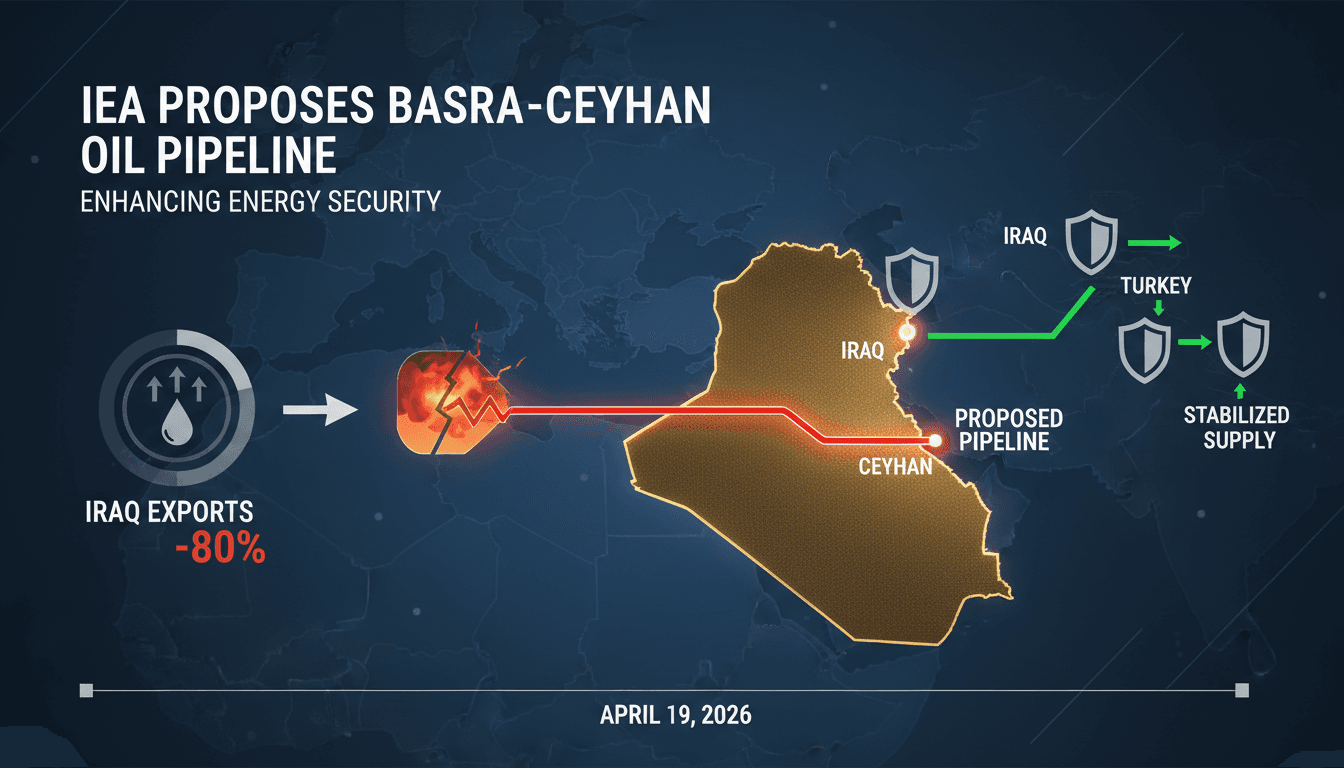
- On April 19, 2026, IEA Executive Director Fatih Birol proposed a new oil pipeline from Iraq's Basra to Turkey's Ceyhan terminal.
- The proposal aims to bypass the Strait of Hormuz, which has faced significant disruptions due to rising tensions in the region.
- Iraq's oil exports have plummeted by 81.3% in March 2026, highlighting the urgent need for alternative routes.
The context you actually need
- The Strait of Hormuz is a vital chokepoint for global oil, with approximately 20% of seaborne trade passing through it.
- Iraq relies heavily on this strait for about 90% of its oil exports, making it vulnerable to geopolitical tensions.
- Existing infrastructure like the Kirkuk-Ceyhan pipeline has been unreliable, further complicating Iraq's export capabilities.
What's really happening
The proposal for the Basra-Ceyhan pipeline emerges against a backdrop of escalating tensions in the Middle East, particularly between the U.S. and Iran. Since March 2026, the Strait of Hormuz has faced repeated closures and restrictions, leading to a dramatic decline in Iraqi oil exports—down 81.3% in March alone. This situation has created a pressing need for alternative routes to ensure energy supply security for Iraq, Turkey, and Europe.
Fatih Birol's advocacy for the pipeline is not just a response to current disruptions; it reflects a strategic pivot in energy infrastructure planning. The pipeline is seen as a way to mitigate risks associated with the Strait of Hormuz, which Birol likened to a "broken vase" that is difficult to repair. By establishing a direct link from Basra to Ceyhan, the proposal aims to create a more resilient energy supply chain that can withstand geopolitical shocks.
Financing for the project is considered manageable, and the timing is deemed optimal given the current energy vulnerabilities. The pipeline would not only benefit Iraq by providing a more stable export route but also present an opportunity for Turkey to enhance its role as a regional energy hub. For Europe, the pipeline could serve as a crucial alternative source of oil, reducing dependency on less stable routes.
However, the proposal is still in its early discussion stages, and official responses from the Iraqi and Turkish governments have yet to materialize. The energy markets are already reacting, with rising oil prices reflecting the uncertainty surrounding supply chains. The broader context includes ongoing regional infrastructure pacts, such as Turkey's initiatives with Syria and Jordan, which align with diversification efforts in energy sourcing.
Who feels it first (and how)
- Energy companies: Increased operational costs and potential shifts in supply contracts.
- Consumers: Higher fuel prices could impact transportation and heating costs.
- Aviation sector: Airlines may face elevated jet fuel prices, affecting ticket prices and profitability.
- Investors: Market volatility could influence investment strategies in energy sectors.
What to watch next
- Government responses: Official statements from Iraq and Turkey regarding the proposal will indicate political support and potential timelines.
- Market reactions: Watch for fluctuations in oil prices as the proposal gains traction or faces opposition.
- Infrastructure developments: Progress on financing and construction plans will signal the project's viability and timeline.
The proposal aims to enhance energy security for Iraq, Turkey, and Europe.
Rising oil prices will continue to affect global markets amid ongoing tensions.
The timeline for project approval and construction remains uncertain.
Frequently Asked Questions
- Why it matters?
- This initiative aims to enhance energy security for Iraq, Turkey, and Europe amid ongoing disruptions in a critical shipping lane.
- What happened (in 30 seconds)?
- On April 19, 2026, IEA Executive Director Fatih Birol proposed a new oil pipeline from Iraq's Basra to Turkey's Ceyhan terminal. The proposal aims to bypass the Strait of Hormuz, which has faced significant disruptions due to rising tensions in the region. Iraq's oil exports have plummeted by 81.3% in March 2026, highlighting the urgent need for alternative routes.
- What's really happening?
- The proposal for the Basra-Ceyhan pipeline emerges against a backdrop of escalating tensions in the Middle East, particularly between the U.S. and Iran. Since March 2026, the Strait of Hormuz has faced repeated closures and restrictions, leading to a dramatic decline in Iraqi oil exports—down 81.3% in March alone. This situation has created a pressing need for alternative routes to ensure energy supply security for Iraq, Turkey, and Europe. Fatih Birol's advocacy for the pipeline is not just a
- Who feels it first (and how)?
- Energy companies: Increased operational costs and potential shifts in supply contracts. Consumers: Higher fuel prices could impact transportation and heating costs. Aviation sector: Airlines may face elevated jet fuel prices, affecting ticket prices and profitability. Investors: Market volatility could influence investment strategies in energy sectors.
- What to watch next?
- Government responses: Official statements from Iraq and Turkey regarding the proposal will indicate political support and potential timelines. Market reactions: Watch for fluctuations in oil prices as the proposal gains traction or faces opposition. Infrastructure developments: Progress on financing and construction plans will signal the project's viability and timeline.
Arabic-language coverage of international news and geopolitics.
"RT Arabic is a Russian state-funded outlet often criticized for promoting Kremlin-aligned narratives."
— A47 Editor
رئيس وكالة الطاقة الدولية يقترح إنشاء خط أنابيب بين العراق وتركيا لتجاوز مضيق هرمز
Fatih Birol, the Director of the International Energy Agency, has proposed the construction of a new oil pipeline connecting the oil fields in Basra, Iraq, to the Turkish port of Ceyhan on the Mediterranean Sea. This initiative aims to reduce relianc...
Oil, metals, and agriculture: supply/demand headlines, OPEC chatter, inventories, and price action.
"Solid tape for energy and metals traders tracking macro and micro catalysts."
— A47 Editor
IEA’s Birol urges Iraq-Turkey pipeline as Hormuz closure persists
The International Energy Agency (IEA), led by Fatih Birol, has called for the establishment of a pipeline between Iraq and Turkey as the closure of the Strait of Hormuz continues to disrupt global oil supplies. This situation has arisen amid escalati...