
Israel Continues Airstrikes on Hezbollah in Lebanon Amid US-Iran Ceasefire Tensions
Here's what it means for you.
If you're involved in global markets or energy sectors, the escalating conflict could impact oil prices and economic stability.
Why it matters
The ongoing military actions and diplomatic negotiations could reshape regional power dynamics and influence global oil markets.
What happened (in 30 seconds)
- Netanyahu declared no ceasefire in Lebanon, continuing strikes on Hezbollah targets after over 300 deaths from previous attacks.
- IDF issued evacuation warnings prior to airstrikes in southern Lebanon and Beirut suburbs, escalating tensions amid a fragile US-brokered ceasefire.
- Direct negotiations for Hezbollah disarmament are set between Israel and Lebanon, with US involvement, despite ongoing military actions.
The context you actually need
- The US-brokered ceasefire was announced just days prior, aimed at reducing hostilities in the broader Iran conflict, but Israel interprets it as not applicable to Hezbollah.
- Lebanon's government is under pressure to demand a ceasefire before negotiations, complicating the diplomatic landscape.
- Geopolitical tensions are heightened with Iran's restrictions in the Strait of Hormuz and the involvement of major powers like the US and UK in regional diplomacy.
What's really happening
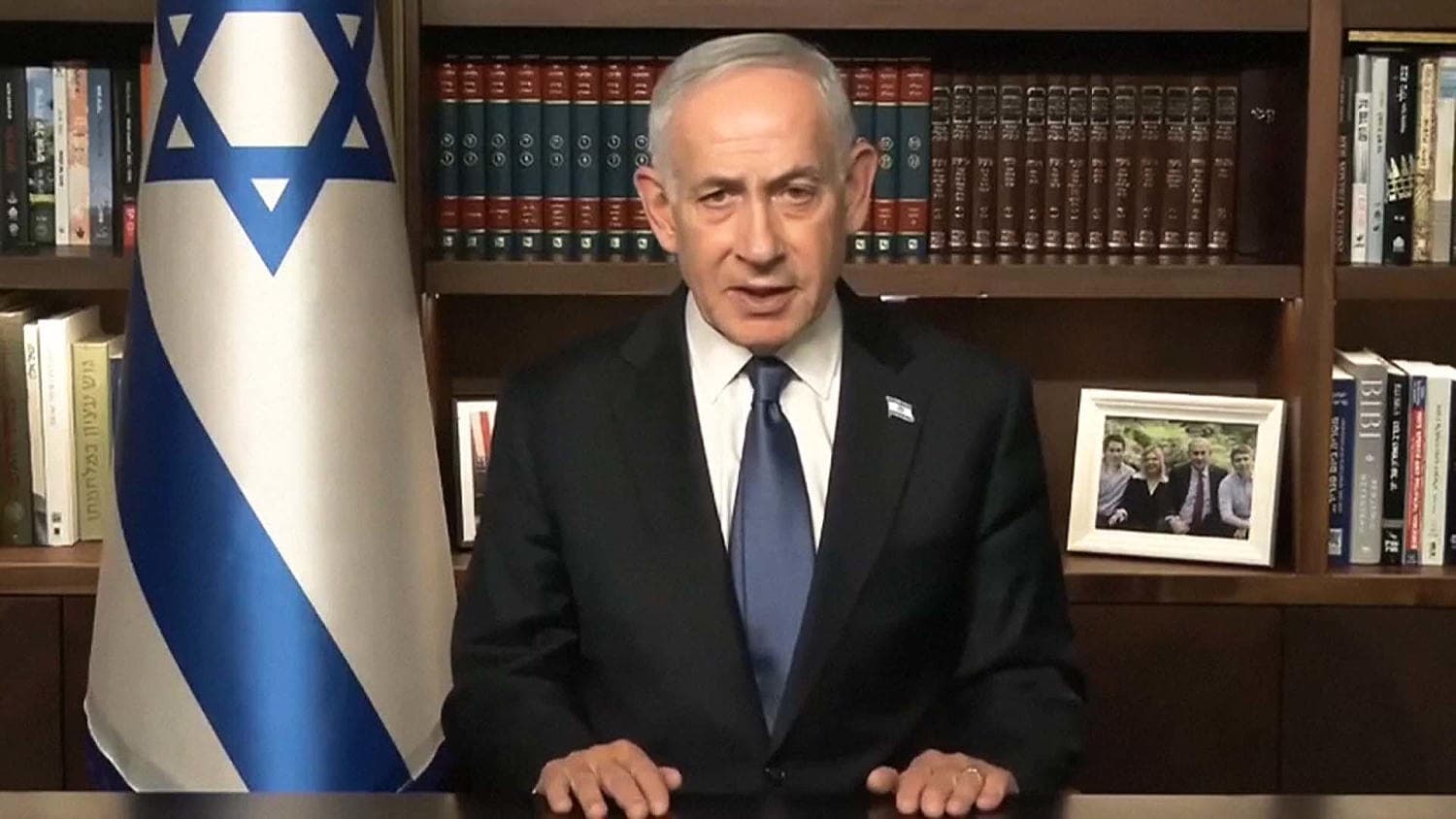
The recent escalation in Lebanon stems from a complex interplay of military strategy and diplomatic maneuvering. On April 9, 2026, Israeli Prime Minister Benjamin Netanyahu made a decisive statement rejecting any ceasefire in Lebanon, asserting that Israel would continue its military operations against Hezbollah. This comes on the heels of a significant uptick in violence, with over 300 fatalities reported from airstrikes on April 8, including civilians and Hezbollah leaders' relatives. The Israeli Defense Forces (IDF) have been actively targeting Hezbollah launch sites, particularly in southern Lebanon and the suburbs of Beirut, which they view as critical to their national security.
The backdrop to this military action is a fragile ceasefire brokered by the United States in the ongoing Iran conflict, which Israel argues does not extend to Hezbollah's operations. This interpretation has led to a divergence in the objectives of the involved parties: while the US seeks to stabilize the region and negotiate with Iran, Israel is focused on neutralizing what it perceives as an existential threat from Hezbollah. The situation is further complicated by Lebanon's calls for a ceasefire, which the Lebanese government insists must precede any negotiations regarding Hezbollah's disarmament.
The strategic implications of these actions are profound. For Israel, the continued strikes are aimed at crippling Hezbollah's military capabilities and deterring future aggression. However, this approach risks inflaming tensions not only with Lebanon but also with Iran, which has accused Israel of violating the ceasefire and has responded by imposing restrictions on maritime traffic in the strategically vital Strait of Hormuz. This has broader implications for global oil markets, as any disruption in this region can lead to price fluctuations.
Moreover, the diplomatic landscape is shifting, with US President Donald Trump urging restraint from Netanyahu to facilitate ongoing talks with Iran. The UK, represented by Prime Minister Keir Starmer, has condemned the attacks, indicating a potential rift in international support for Israel's military actions. As the situation evolves, the interplay between military actions and diplomatic negotiations will be crucial in determining the future stability of the region.
Who feels it first (and how)
- Energy sector professionals: Increased oil prices due to tensions in the Strait of Hormuz could impact global supply chains.
- Lebanese civilians: Directly affected by military strikes and potential displacement due to ongoing conflict.
- International investors: Market volatility could affect investment decisions, particularly in energy and defense sectors.
What to watch next
- US-Iran negotiations: Progress or setbacks in talks could significantly influence regional stability and military actions.
- Lebanese government response: How Lebanon navigates calls for a ceasefire versus military actions will impact its political landscape.
- Oil prices: Fluctuations in oil prices due to conflict in the Strait of Hormuz will affect global markets and economic forecasts.
Israel will continue military operations against Hezbollah despite international pressure.
Tensions in the region will escalate, impacting oil prices and international relations.
The outcome of US-Iran negotiations and their effect on Israeli military strategy remains uncertain.
Frequently Asked Questions
- Why it matters?
- The ongoing military actions and diplomatic negotiations could reshape regional power dynamics and influence global oil markets.
- What happened (in 30 seconds)?
- Netanyahu declared no ceasefire in Lebanon, continuing strikes on Hezbollah targets after over 300 deaths from previous attacks. IDF issued evacuation warnings prior to airstrikes in southern Lebanon and Beirut suburbs, escalating tensions amid a fragile US-brokered ceasefire. Direct negotiations for Hezbollah disarmament are set between Israel and Lebanon, with US involvement, despite ongoing military actions.
- What's really happening?
- The recent escalation in Lebanon stems from a complex interplay of military strategy and diplomatic maneuvering. On April 9, 2026, Israeli Prime Minister Benjamin Netanyahu made a decisive statement rejecting any ceasefire in Lebanon, asserting that Israel would continue its military operations against Hezbollah. This comes on the heels of a significant uptick in violence, with over 300 fatalities reported from airstrikes on April 8, including civilians and Hezbollah leaders' relatives. The Isra
- Who feels it first (and how)?
- Energy sector professionals: Increased oil prices due to tensions in the Strait of Hormuz could impact global supply chains. Lebanese civilians: Directly affected by military strikes and potential displacement due to ongoing conflict. International investors: Market volatility could affect investment decisions, particularly in energy and defense sectors.
- What to watch next?
- US-Iran negotiations: Progress or setbacks in talks could significantly influence regional stability and military actions. Lebanese government response: How Lebanon navigates calls for a ceasefire versus military actions will impact its political landscape. Oil prices: Fluctuations in oil prices due to conflict in the Strait of Hormuz will affect global markets and economic forecasts.
International coverage from The Guardian's global desks.
"The Guardian is known for its progressive editorial stance and in-depth analysis."
— A47 Editor
Hezbollah launches rockets at Israel – as it happened
Hezbollah has launched rockets at Israel amid escalating tensions in the Middle East, coinciding with ongoing Israeli airstrikes in Lebanon that have resulted in significant casualties. British Foreign Secretary Yvette Cooper emphasized the need to i...
News from the United States including domestic politics, society, and culture.
"The Guardian is known for its progressive editorial stance and in-depth analysis, often advocating for social justice, environmental issues, and liberal values."
— A47 Editor
Netanyahu says there is no ceasefire in Lebanon as Israel launches fresh strikes
Israeli Prime Minister Benjamin Netanyahu has declared that there will be no ceasefire in Lebanon, as Israel continues its military operations against Hezbollah, resulting in over 300 casualties. This announcement follows a series of airstrikes targe...
International coverage from The Guardian's global desks.
"The Guardian is known for its progressive editorial stance and in-depth analysis."
— A47 Editor
Netanyahu says there is no ceasefire in Lebanon as Israel launches fresh strikes
Israeli Prime Minister Benjamin Netanyahu has declared that there will be no ceasefire in Lebanon, as Israel continues its military operations against Hezbollah, resulting in over 300 casualties. This announcement follows a series of airstrikes targe...
Comprehensive coverage of global events, politics, and international issues.
"NBC News is a mainstream outlet known for comprehensive national and international coverage with a centrist to slightly left-leaning editorial tone."
— A47 Editor
Netanyahu: ‘There is no ceasefire in Lebanon’
Israeli Prime Minister Benjamin Netanyahu announced that the bombardment of Lebanon will continue, asserting that there is no ceasefire in the region despite recent agreements involving the United States and Iran. He indicated that his cabinet would ...
Comprehensive coverage of Middle Eastern and global issues.
"Al Jazeera is a prominent voice from the Global South, especially the Middle East, with an emphasis on underreported stories."
— A47 Editor
Netanyahu: ‘No ceasefire in Lebanon’, Israel open to peace talks
Israeli Prime Minister Benjamin Netanyahu has declared that there is no ceasefire in Lebanon, emphasizing that military operations will continue despite recent agreements involving the United States and Iran. He stated that Israel remains open to pea...
Global news coverage with extensive reporting on Middle Eastern conflicts and geopolitics.
"Al Jazeera is a Qatar-based broadcaster known for wide regional coverage and alternative perspectives."
— A47 Editor
Netanyahu: ‘No ceasefire in Lebanon’, Israel open to peace talks
Israeli Prime Minister Benjamin Netanyahu has declared that there is no ceasefire in Lebanon, emphasizing that military operations will continue despite recent agreements involving the United States and Iran. He stated that Israel remains open to pea...
Capitol Hill news, legislation, and policy insight.
"The Hill specializes in U.S. politics and policy, with a focus on Capitol Hill developments and a reputation for insider reporting."
— A47 Editor
Trump tells Netanyahu to pull back on Israel's barrage on Lebanon
President Trump has urged Israeli Prime Minister Benjamin Netanyahu to reduce the intensity of Israel's military strikes in Lebanon, which have escalated significantly and threaten a fragile ceasefire with Iran. The ongoing operations are primarily t...