
Lebanon's Death Toll from Israeli Attacks Reaches 1,530 Amid Ongoing Conflict
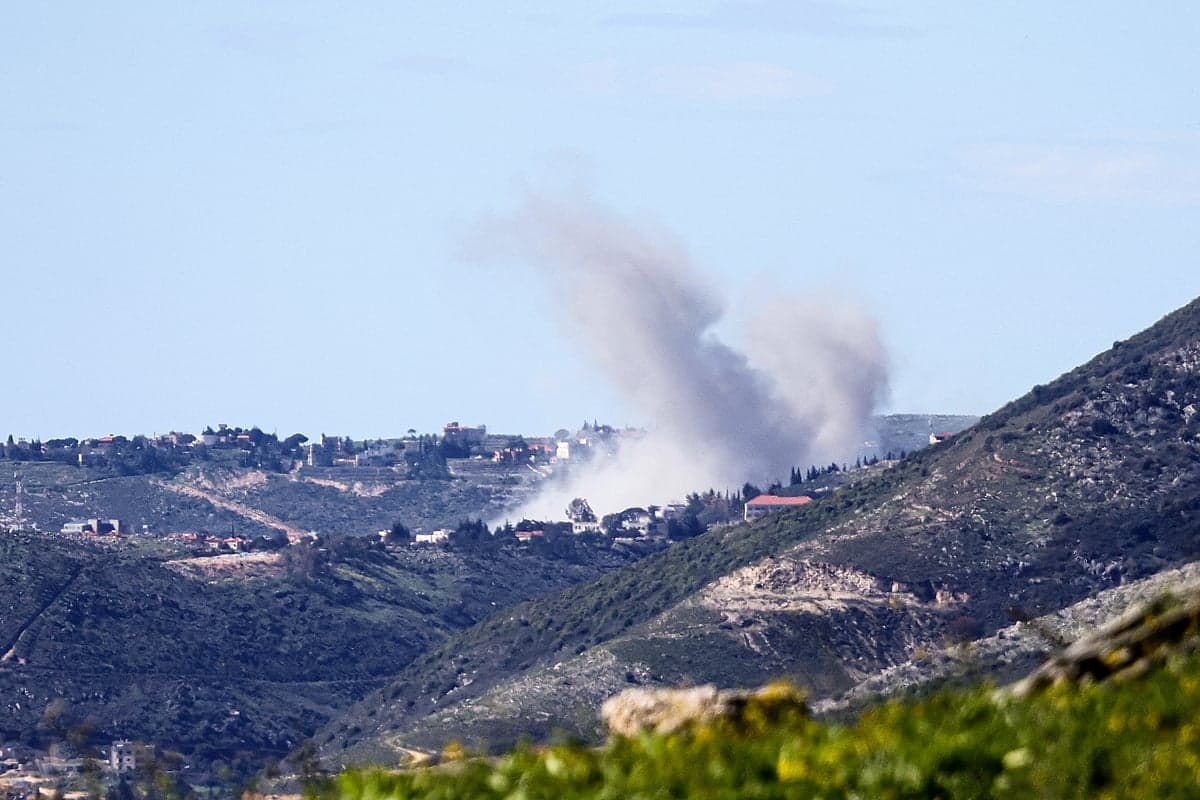
Here's what it means for you.
The escalating conflict in Lebanon could impact global markets and oil prices, affecting your financial landscape.
Why it matters
The ongoing violence in Lebanon is contributing to regional instability, which can disrupt global supply chains and elevate oil prices.
What happened (in 30 seconds)
- Death toll: As of April 7, 2026, the Lebanese Ministry of Public Health reported 1,530 fatalities due to Israeli military actions since March 2, 2026.
- Injuries: The conflict has resulted in 4,812 injuries, including significant casualties among women, children, and healthcare workers.
- Escalation: The situation escalated following Hezbollah's attacks on Israel, prompting extensive Israeli airstrikes and ground operations targeting Hezbollah positions.
The context you actually need
- Historical tensions: This conflict is rooted in long-standing tensions between Israel and Hezbollah, exacerbated by previous conflicts and recent geopolitical events.
- Displacement crisis: Over 1.2 million people have been displaced within Lebanon, creating a humanitarian crisis that could have regional repercussions.
- International response: Global powers are calling for restraint, but the situation remains volatile, with potential implications for international relations and security.
What's really happening
The 2026 Lebanon war began on March 2, 2026, when Hezbollah launched projectiles into northern Israel, a response to U.S.-Israeli actions against Iran. This marked a significant escalation in hostilities, as Israel retaliated with airstrikes targeting Hezbollah infrastructure in southern Lebanon and Beirut. The conflict has resulted in a staggering death toll of 1,530, with thousands more injured, including vulnerable populations such as women and children.
The Israeli Defense Forces (IDF) have focused their operations on eliminating Hezbollah's military capabilities, which they perceive as a direct threat. This has involved not only targeting military sites but also civilian infrastructure, leading to widespread casualties and damage. The ongoing airstrikes and ground operations have created a humanitarian crisis, with over 1.2 million people displaced internally, complicating an already dire situation in Lebanon.
The escalation is further fueled by the historical context of the region, where previous conflicts, such as the October 2023 Israel-Hamas war, have left deep scars. The U.S.-brokered ceasefire in November 2024 did little to resolve underlying tensions, as violations continued and Israel conducted strikes to prevent Hezbollah from rearming. The current conflict is a continuation of this cycle of violence, with both sides entrenched in their positions.
As the situation evolves, the implications extend beyond the immediate region. The conflict has already impacted global oil prices, which surged above $100 per barrel amid fears of supply disruptions. This could have a direct effect on economies worldwide, particularly in oil-dependent regions like the UAE, where the financial market has already shown signs of strain.
The humanitarian aspect cannot be overlooked either. The Lebanese Ministry of Public Health continues to issue daily casualty updates, highlighting the urgent need for international humanitarian assistance. The government's declaration of the Iranian ambassador as persona non grata and the postponement of elections to 2028 indicate a shift in domestic priorities, as the government grapples with the fallout of the conflict.
Who feels it first (and how)
- Lebanese civilians: Facing immediate danger and displacement, with thousands affected by the violence.
- Healthcare workers: Strained resources and increased risks as they respond to the surge in casualties.
- Investors: Those in the oil and financial markets are likely to see volatility as regional tensions escalate.
- Expatriates: Lebanese expatriates, particularly in Dubai, are experiencing anxiety over family safety and potential economic impacts.
What to watch next
- Casualty updates: Continued reports from the Lebanese Ministry of Public Health will indicate the conflict's human toll and potential for escalation.
- Oil price fluctuations: Monitor global oil prices as they may rise further due to supply chain disruptions linked to the conflict.
- International diplomatic efforts: Watch for statements from global powers urging restraint, as these could influence the trajectory of the conflict.
The death toll has reached 1,530, with significant casualties among civilians and healthcare workers.
The conflict will continue to escalate, impacting both regional stability and global oil prices.
The long-term implications for Lebanon's political landscape and humanitarian situation remain uncertain.
Frequently Asked Questions
- Why it matters?
- The ongoing violence in Lebanon is contributing to regional instability, which can disrupt global supply chains and elevate oil prices.
- What happened (in 30 seconds)?
- Death toll: As of April 7, 2026, the Lebanese Ministry of Public Health reported 1,530 fatalities due to Israeli military actions since March 2, 2026. Injuries: The conflict has resulted in 4,812 injuries, including significant casualties among women, children, and healthcare workers. Escalation: The situation escalated following Hezbollah's attacks on Israel, prompting extensive Israeli airstrikes and ground operations targeting Hezbollah positions.
- What's really happening?
- The 2026 Lebanon war began on March 2, 2026, when Hezbollah launched projectiles into northern Israel, a response to U.S.-Israeli actions against Iran. This marked a significant escalation in hostilities, as Israel retaliated with airstrikes targeting Hezbollah infrastructure in southern Lebanon and Beirut. The conflict has resulted in a staggering death toll of 1,530, with thousands more injured, including vulnerable populations such as women and children. The Israeli Defense Forces (IDF) have
- Who feels it first (and how)?
- Lebanese civilians: Facing immediate danger and displacement, with thousands affected by the violence. Healthcare workers: Strained resources and increased risks as they respond to the surge in casualties. Investors: Those in the oil and financial markets are likely to see volatility as regional tensions escalate. Expatriates: Lebanese expatriates, particularly in Dubai, are experiencing anxiety over family safety and potential economic impacts.
- What to watch next?
- Casualty updates: Continued reports from the Lebanese Ministry of Public Health will indicate the conflict's human toll and potential for escalation. Oil price fluctuations: Monitor global oil prices as they may rise further due to supply chain disruptions linked to the conflict. International diplomatic efforts: Watch for statements from global powers urging restraint, as these could influence the trajectory of the conflict.
UAE-based newspaper covering Gulf politics, society, and international developments.
"Gulf News is one of the UAE’s most prominent English-language publications."
— A47 Editor
Death toll from Israeli attacks on Lebanon rises to 1,530: Health Ministry
The Health Ministry of Lebanon has reported that the death toll from Israeli attacks has risen to 1,530, highlighting the severe impact of ongoing military operations in the region. This escalation follows a series of airstrikes and shelling, particu...
A curated Gulf News feed featuring major stories across news, business, opinion, and lifestyle.
"Gulf News is a major UAE newspaper whose featured stories feed reflects a broad editorial mix shaped for a Gulf audience."
— A47 Editor
Death toll from Israeli attacks on Lebanon rises to 1,530: Health Ministry
The Health Ministry of Lebanon has reported that the death toll from Israeli attacks has risen to 1,530, highlighting the severe impact of ongoing military operations in the region. This escalation follows a series of airstrikes and shelling, particu...
Arabic-language UAE newspaper coverage focused on domestic affairs, public institutions, business, society, and regional developments.
"Al Khaleej coverage generally reflects a mainstream UAE editorial lens with strong attention to public affairs, institutions, and regional developments."
— A47 Editor
1530 قتيلاً في لبنان جراء الغارات الإسرائيلية منذ بدء الحرب
The Israeli airstrikes on Lebanon have resulted in a death toll of 1,530 since the conflict with Hezbollah began on March 2, according to the Ministry of Health. The casualties include 57 medical personnel and 130 children, with the number of injured...
Arabic-language UAE newspaper coverage focused on domestic affairs, public institutions, business, society, and regional developments.
"Al Khaleej coverage generally reflects a mainstream UAE editorial lens with strong attention to public affairs, institutions, and regional developments."
— A47 Editor
1422 قتيلاً ومليون نازح حصيلة الحرب على لبنان منذ 2 مارس
The Lebanese Ministry of Health has reported that the death toll from Israeli airstrikes on Lebanon has risen to 1,422, with 4,294 injured and over one million displaced since March 2. This escalation in violence highlights the severe humanitarian cr...