
Russia expands cryptocurrency mining ban to Moscow and Kursk Region until 2032
Here's what it means for you.
The recent expansion of Russia's cryptocurrency mining ban signifies a significant shift in the country's energy policy, prioritizing conservation over the burgeoning crypto sector. This long-term ban, effective until 2032, may deter individual miners and mining pools from operating in these regions, impacting the overall market dynamics. As global scrutiny of cryptocurrency operations increases, other nations may follow suit, leading to a reevaluation of regulatory frameworks worldwide.
What happened
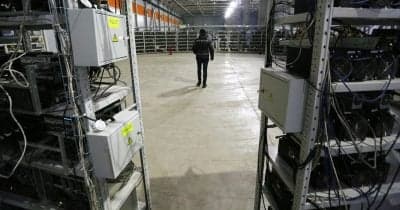
Russia has officially expanded its ban on cryptocurrency mining to include Moscow and parts of the Kursk Region, with the prohibition set to last until December 31, 2032. This decision reflects the government's concerns regarding the high energy demands associated with crypto mining activities. The ban will take effect on August 15, 2026, and encompasses both individual mining operations and participation in mining pools.
This move is part of a broader strategy aimed at managing energy resources more effectively within the country. By restricting cryptocurrency mining, Russia seeks to protect its electricity networks from potential overloads and ensure a more sustainable energy future.
The Context
The decision to impose this ban underscores Russia's prioritization of energy conservation amid rising environmental concerns linked to cryptocurrency mining. Stakeholders in the energy sector are likely to support this initiative, as it aligns with their goals of maintaining a stable power supply. The timing of this ban also reflects a growing global trend where countries are reassessing the environmental impact of crypto mining.
As nations grapple with energy challenges, Russia's actions may set a precedent for similar regulatory measures elsewhere. This could lead to a ripple effect, influencing how other countries approach cryptocurrency mining and its associated energy consumption.
Takeaway
Looking ahead, the expansion of Russia's cryptocurrency mining ban may prompt significant reactions from the cryptocurrency community and investors. Stakeholders will be keenly observing how this decision influences global regulatory changes and practices in the crypto space. The implications of this ban could extend beyond Russia, potentially reshaping the landscape of cryptocurrency regulations worldwide.
As countries evaluate the balance between energy resources and the growth of the cryptocurrency sector, Russia's long-term commitment to energy conservation may inspire similar actions in other jurisdictions. The global cryptocurrency market will need to adapt to these evolving regulatory environments.
English-language digital publication covering business, politics, technology, and current affairs.
"The Arabian Post mixes original and syndicated-style coverage with a broad regional and global business-news orientation."
— A47 Editor
Russia extends crypto mining ban across Moscow
Russia has announced a ban on cryptocurrency mining across Moscow, the Moscow Region, and parts of the Kursk Region, effective from August 15, 2026, until December 31, 2032. This decision aims to safeguard electricity networks from the high energy de...
Covers blockchain, cryptocurrency news, project analysis, and market insights.
"Cointelegraph is a leading crypto-focused media outlet known for timely news, analysis, and educational content related to blockchain and digital assets."
— A47 Editor
Russia expands crypto mining ban to Moscow through 2032
Russia has expanded its cryptocurrency mining ban to include Moscow, the Moscow Region, and parts of the Kursk Region, citing concerns over power supply and energy conservation. This ban is set to remain in effect until 2032, reflecting a significant...
Research, news, and analysis on blockchain startups, DeFi, and regulations.
"Crypto Briefing provides research, news, and analysis on blockchain startups, DeFi, and crypto regulations with investor-focused coverage."
— A47 Editor
Russia bans crypto mining in Moscow and Kursk Region until 2032
Russia has imposed a ban on cryptocurrency mining in Moscow and the Kursk Region until 2032, emphasizing the country's focus on energy conservation over the burgeoning crypto sector. This decision reflects a significant shift in regulatory priorities...