
Ireland Boycotts Eurovision for Second Year Over Israeli Participation Amid Gaza Crisis
Why it matters
This boycott reflects a growing trend among European broadcasters to align their programming decisions with humanitarian concerns, potentially reshaping cultural diplomacy.
What happened (in 30 seconds)
- Ireland's RTÉ announced it will boycott the 2027 Eurovision Song Contest due to Israel's participation amid the ongoing Gaza conflict.
- The Netherlands' broadcaster Avrotros also confirmed its withdrawal, marking a second consecutive year of boycotts.
- The European Broadcasting Union (EBU) expressed regret but respects the decisions made by the broadcasters.
The context you actually need
- Eurovision has included Israel since 1973, but recent conflicts have led to protests against its participation.
- Over 73,000 deaths have been reported in Gaza since October 2023, raising humanitarian concerns that broadcasters cannot ignore.
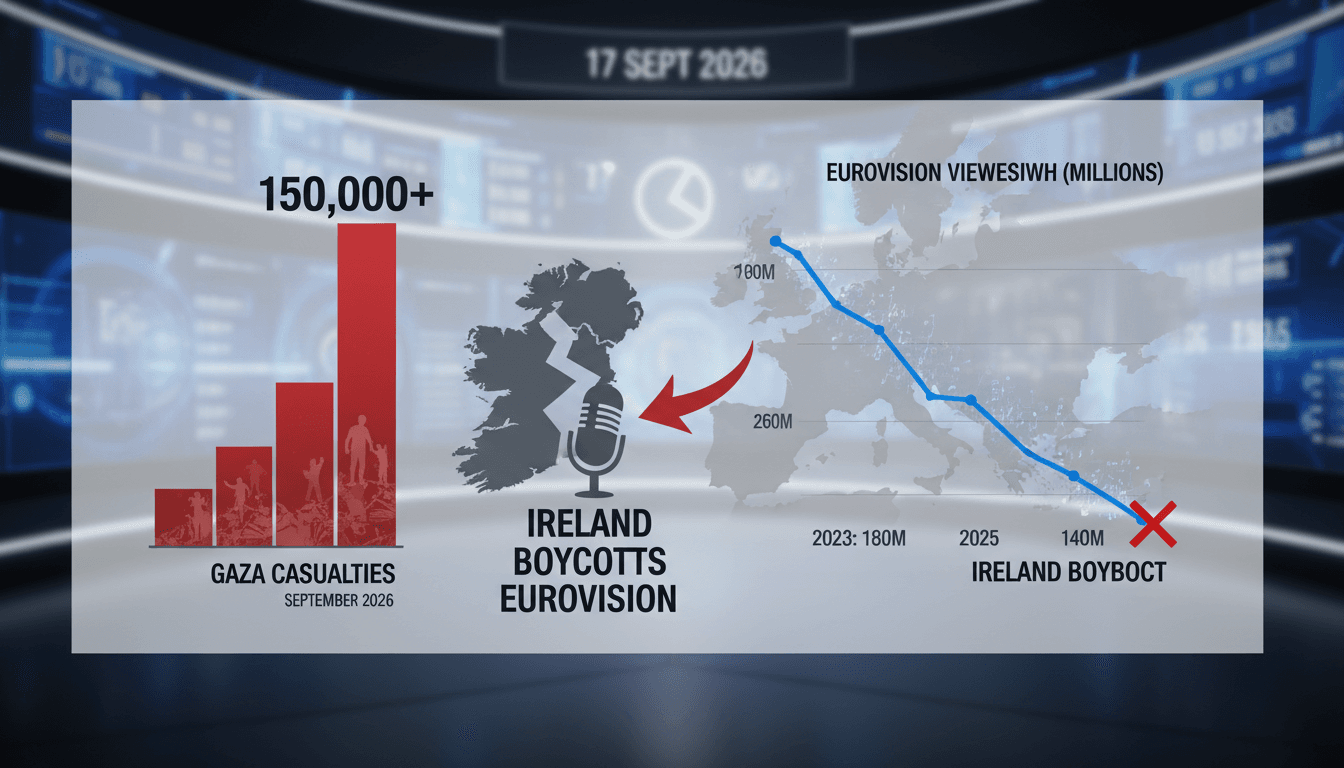
- Viewership for Eurovision dropped significantly in 2026, indicating that public sentiment is shifting against participation in events linked to geopolitical tensions.
What's really happening
Ireland's decision to boycott the Eurovision Song Contest for the second consecutive year is rooted in a complex interplay of humanitarian concerns and cultural representation. The ongoing conflict in Gaza, which has resulted in over 73,000 reported deaths since October 2023, has prompted broadcasters to reconsider their participation in international events that include Israel. This decision is not merely a reflection of political sentiment; it is a calculated move by RTÉ and other European broadcasters to align their programming with ethical considerations surrounding human rights and civilian casualties.
The European Broadcasting Union (EBU), which oversees the Eurovision contest, has faced increasing pressure to address the implications of hosting a country involved in armed conflict. Despite implementing reforms regarding voting and hosting eligibility, the EBU has maintained Israel's participation, leading to discontent among several member broadcasters. The absence of countries like Ireland and the Netherlands highlights a growing trend where cultural events are increasingly viewed through the lens of social responsibility.
This boycott also serves as a form of solidarity with journalists and civilians affected by the conflict. Irish Taoiseach Micheál Martin has previously described similar actions as a necessary stance in support of those suffering from the humanitarian crisis. The decision to withdraw from Eurovision is not just about the contest itself; it reflects broader societal values and the expectations of audiences who are increasingly aware of global issues.
The implications of this boycott extend beyond the immediate context of Eurovision. It signals a potential shift in how cultural diplomacy is conducted, with broadcasters taking a more active role in advocating for humanitarian issues. As public sentiment continues to evolve, we may see more countries reassessing their participation in international events based on ethical considerations, which could lead to significant changes in the landscape of global cultural programming.
Who feels it first (and how)
- Media and Entertainment Professionals: They may face increased scrutiny over the ethical implications of their projects.
- Broadcasters: They will need to navigate public sentiment and potential backlash regarding their programming choices.
- Cultural Diplomats: They may find their roles evolving as cultural events become more intertwined with humanitarian advocacy.
What to watch next
- Public Sentiment: Monitor how viewership trends for Eurovision and similar events evolve in response to geopolitical issues.
- Broadcaster Responses: Watch for announcements from other European broadcasters regarding their participation in international events.
- EBU Reforms: Keep an eye on any further reforms from the EBU regarding eligibility criteria for countries involved in armed conflict.
Ireland and the Netherlands will not participate in the 2027 Eurovision Song Contest.
Other European broadcasters may follow suit, leading to a broader cultural boycott.
The long-term impact on Eurovision's viewership and the EBU's policies regarding conflict-affected countries.
Frequently Asked Questions
- Why it matters?
- This boycott reflects a growing trend among European broadcasters to align their programming decisions with humanitarian concerns, potentially reshaping cultural diplomacy.
- What happened (in 30 seconds)?
- Ireland's RTÉ announced it will boycott the 2027 Eurovision Song Contest due to Israel's participation amid the ongoing Gaza conflict. The Netherlands' broadcaster Avrotros also confirmed its withdrawal, marking a second consecutive year of boycotts. The European Broadcasting Union (EBU) expressed regret but respects the decisions made by the broadcasters.
- What's really happening?
- Ireland's decision to boycott the Eurovision Song Contest for the second consecutive year is rooted in a complex interplay of humanitarian concerns and cultural representation. The ongoing conflict in Gaza, which has resulted in over 73,000 reported deaths since October 2023, has prompted broadcasters to reconsider their participation in international events that include Israel. This decision is not merely a reflection of political sentiment; it is a calculated move by RTÉ and other European bro
- Who feels it first (and how)?
- Media and Entertainment Professionals: They may face increased scrutiny over the ethical implications of their projects. Broadcasters: They will need to navigate public sentiment and potential backlash regarding their programming choices. Cultural Diplomats: They may find their roles evolving as cultural events become more intertwined with humanitarian advocacy.
- What to watch next?
- Public Sentiment: Monitor how viewership trends for Eurovision and similar events evolve in response to geopolitical issues. Broadcaster Responses: Watch for announcements from other European broadcasters regarding their participation in international events. EBU Reforms: Keep an eye on any further reforms from the EBU regarding eligibility criteria for countries involved in armed conflict.
Arts, film, music, pop culture, and media criticism.
"The Guardian is known for its progressive editorial stance and in-depth analysis, often exploring the cultural impact of entertainment."
— A47 Editor
Ireland to boycott Eurovision again over Israeli participation and ongoing Gaza deaths
Ireland has announced its decision to boycott the Eurovision Song Contest for the second consecutive year, citing ongoing violence in Gaza and Israel's participation in the event as key reasons for this protest. The national broadcaster RTE confirmed...
International coverage from The Guardian's global desks.
"The Guardian is known for its progressive editorial stance and in-depth analysis."
— A47 Editor
Ireland to boycott Eurovision again over Israeli participation and ongoing Gaza deaths
Ireland has announced its decision to boycott the Eurovision Song Contest for the second consecutive year, citing ongoing violence in Gaza and Israel's participation in the event as key reasons for this protest. The national broadcaster RTE confirmed...
Global coverage of politics, crises, and international affairs.
"HuffPost provides progressive-oriented reporting on international developments, often focusing on humanitarian and social justice issues."
— A47 Editor
Ireland Will Boycott 2027 Eurovision Song Contest Over Israel’s Participation
Ireland has announced its decision to boycott the Eurovision Song Contest in 2027, joining four other countries in protest against Israel's participation in the event. This move follows a similar boycott by the Dutch broadcaster AvroTros, which cited...
UK and global entertainment, showbiz, and culture stories.
"Sky News is a UK broadcaster known for rolling news and breaking entertainment stories."
— A47 Editor
Ireland to boycott Eurovision for second year in a row
Ireland has announced its decision to boycott the Eurovision Song Contest for the second consecutive year, citing protests against Israel's participation, as reported by broadcaster RTE. This decision follows the performance of Ireland's representati...
International news, politics, and culture.
"Sky News is a UK-based 24-hour channel known for fast-breaking news and political coverage."
— A47 Editor
Ireland to boycott Eurovision for second year in a row
Ireland has announced its decision to boycott the Eurovision Song Contest for the second consecutive year, citing protests against Israel's participation, as reported by broadcaster RTE. This decision follows the performance of Ireland's representati...
European current affairs, EU politics, and regional developments.
"France 24 is viewed as a globally focused outlet with balanced coverage and a European perspective."
— A47 Editor
Ireland to boycott 2027 Eurovision contest over Israel’s participation
Ireland has announced its decision to boycott the 2027 Eurovision Song Contest, joining four other countries in protest against Israel's participation, as reported by the public broadcaster RTE. This boycott follows a similar stance taken by Ireland ...