
Euro zone bond yields decline significantly amid falling oil prices
Here's what it means for you.
The recent decline in Euro zone bond yields signals a notable shift in investor sentiment, primarily driven by falling oil prices. As yields drop to their lowest levels in over three months, market participants are reassessing economic forecasts and stability. This trend could have broader implications for investment strategies and economic policies across the region. The significant drop in oil prices, reaching levels not seen since the onset of the conflict with Iran, has created a ripple effect in the bond markets. Investors are closely monitoring these developments, as fluctuations in energy costs can directly impact economic conditions and confidence.
What happened
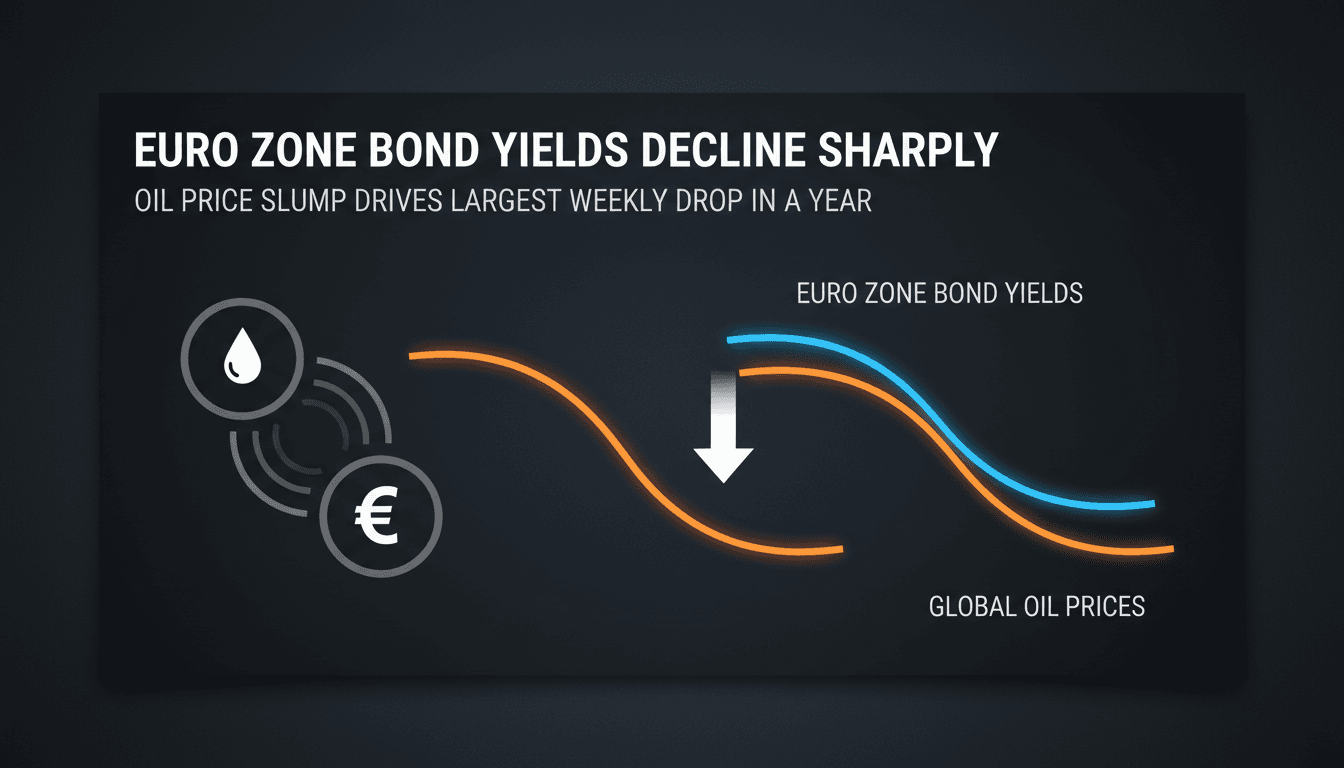
Bond yields in the Euro zone are experiencing a substantial decline, marking the largest weekly drop in over a year. This trend is primarily influenced by a significant decrease in oil prices, which have recently reached their lowest levels since the conflict with Iran began. As a result, investor sentiment is shifting, reflecting concerns about economic stability.
The current bond yields are stabilizing near their lowest levels in over three months, indicating a significant market response to the changing energy landscape. This decline in yields suggests that investors are increasingly cautious about future economic conditions.
The Context
The backdrop to this decline in bond yields is the ongoing volatility in oil prices, which has a direct correlation with economic stability in the Euro zone. As oil prices fall, they impact inflation expectations and overall economic growth, prompting investors to adjust their strategies accordingly. The current situation is particularly relevant given the geopolitical tensions surrounding the conflict with Iran.
Investor sentiment is crucial in this context, as it shapes market dynamics and influences policy decisions. The timing of this decline is significant, as it coincides with broader economic indicators that may affect confidence in the Euro zone's recovery.
Takeaway
Looking ahead, the fluctuations in oil prices will likely continue to play a pivotal role in shaping Euro zone bond yields and investor behavior. Market participants should closely monitor oil price trends, as these will provide insights into potential impacts on the bond markets. Additionally, economic indicators will be essential in gauging investor confidence and the overall stability of the Euro zone.
As the situation evolves, the bond market may experience further volatility, which could have implications for economic policies and investment strategies in the region.
Macro commentary, policy analysis, growth/inflation themes, and global outlooks.
"Contextual macro coverage that complements day-to-day market headlines."
— A47 Editor
Euro zone bond yields decline as oil prices drop
Euro zone bond yields have declined as oil prices have dropped, reflecting a shift in market dynamics influenced by geopolitical developments. This decrease in yields indicates a response to easing inflationary pressures and changing investor sentime...
Pan-Arab news coverage spanning politics, business, sports, and regional affairs.
"Asharq Al-Awsat reflects a broad Arab editorial perspective with strong attention to regional geopolitics."
— A47 Editor
عوائد سندات اليورو تتراجع وتتجه لأكبر انخفاض أسبوعي منذ أكثر من عام
Eurozone bond yields experienced a slight decline on Friday, continuing a trend towards the largest weekly drop in over a year, coinciding with a decrease in oil prices to their lowest levels.
Pan-Arab news coverage spanning politics, business, sports, and regional affairs.
"Asharq Al-Awsat reflects a broad Arab editorial perspective with strong attention to regional geopolitics."
— A47 Editor
عوائد سندات اليورو تستقر قرب أدنى مستوياتها في أكثر من 3 أشهر
Eurozone bond yields stabilized near their lowest levels in over three months on Thursday, following a significant drop in oil prices that erased all gains made during the conflict with Iran. This development reflects the ongoing volatility in the en...