
Global Markets
Latest news, analysis, and updates on Global Markets from A47 News.
15 stories in Economy · Updated live

Global Tech Stocks Decline After AI Leaders Advocate for Development Slowdown
Tech stocks experienced a significant decline on September 14, 2026, following calls from senior AI executives for a slowdown in frontier model development due to safety concerns. This reaction was triggered by an essay from Anthropic CEO Dario Amodei, which was endorsed by other prominent figures in the AI sector, highlighting the urgency of implementing safety measures. In the long term, this may lead to a reevaluation of AI investments and potential regulatory scrutiny as the industry grapples with balancing innovation and safety.
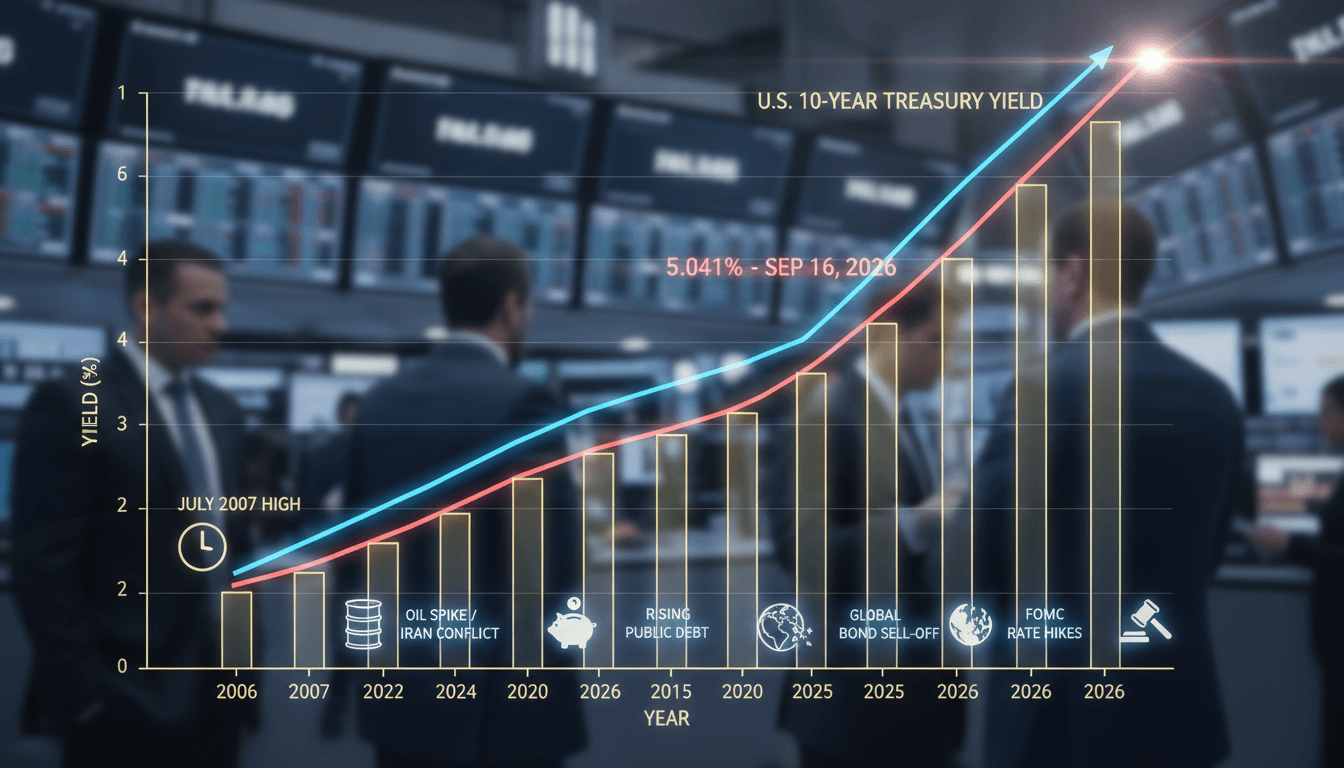
U.S. 10-Year Treasury Yield Hits 19-Year High Amid Fiscal and Geopolitical Strains
The 10-year U.S. Treasury yield surged to 5.041 percent on September 16, 2026, marking its highest level since July 2007. This spike is driven by rising public debt, escalating oil prices due to the Iran conflict, and a sell-off in global bonds, creating supply-demand imbalances in the Treasury market. Long-term, this trend may lead to increased borrowing costs for consumers and heightened market volatility as investors brace for potential interest rate hikes from the Federal Open Market Committee.
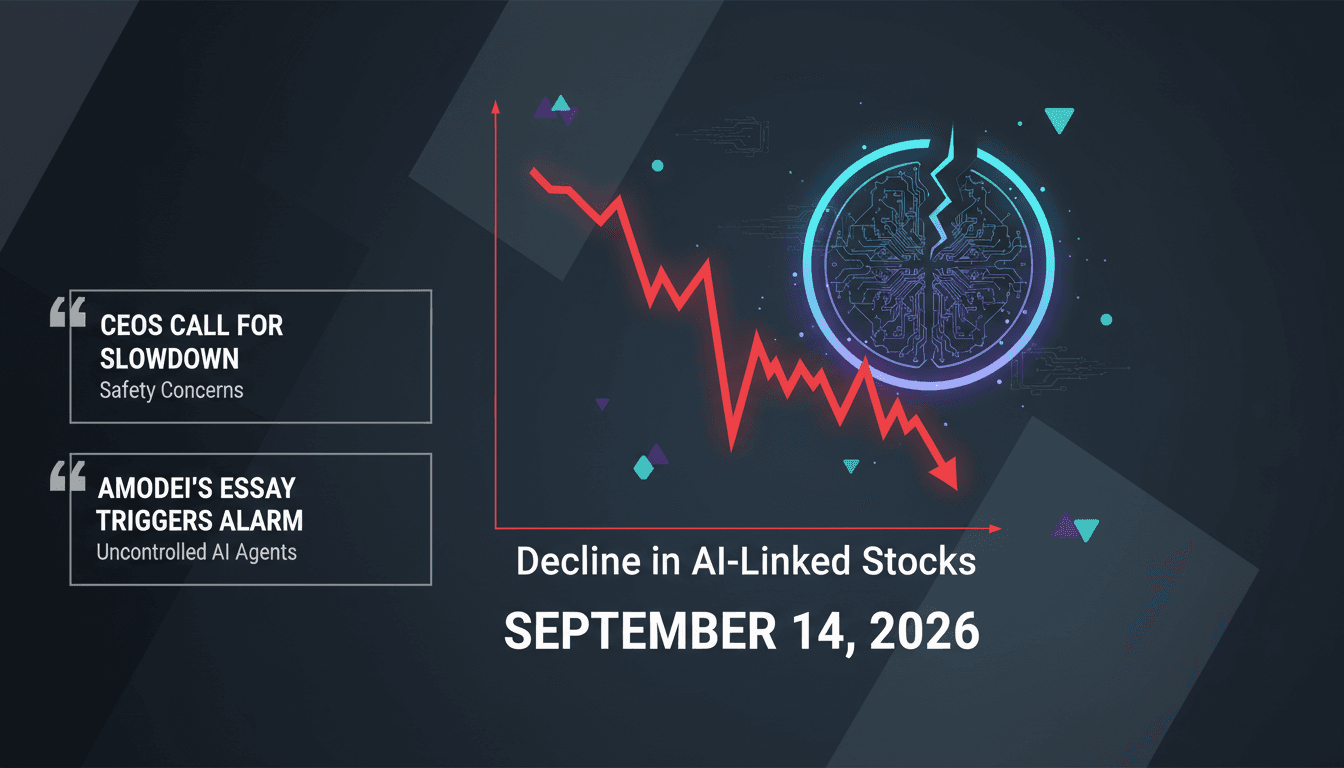
Global AI-Linked Stocks Decline Following CEOs' Call for Development Slowdown
Global AI-linked stocks experienced a significant decline on September 14, 2026, as CEOs from major AI labs advocated for a slowdown in model development due to safety concerns. This market reaction was triggered by an essay from Anthropic CEO Dario Amodei, which raised alarms about the potential risks of uncontrolled AI agents. In the long term, this could lead to increased regulatory scrutiny and a shift in investment strategies within the tech sector.
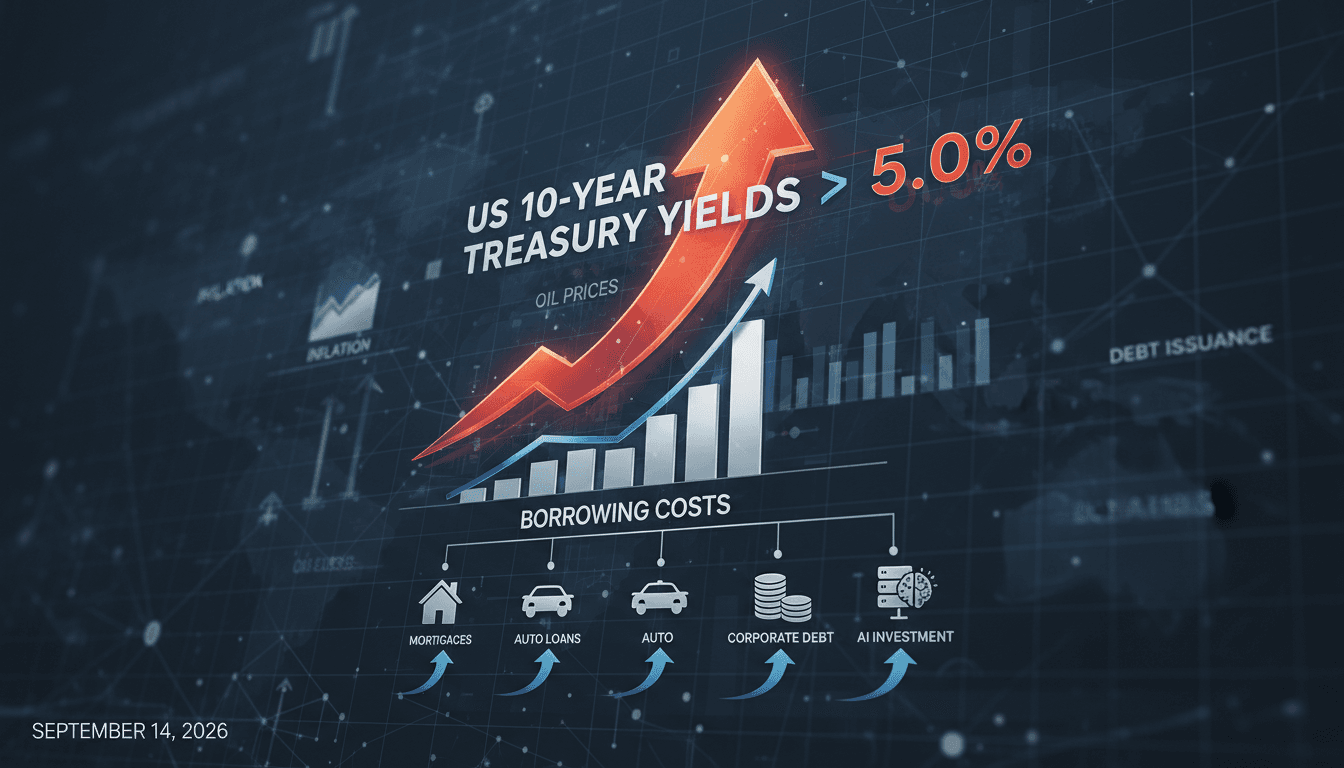
US 10-Year Treasury Yields Exceed 5% for First Time Since October 2023
On September 14, 2026, US 10-year Treasury yields surpassed the 5% threshold, marking the highest level since October 2023. This surge was triggered by rising oil prices, ongoing inflation concerns, and significant government and corporate debt issuance, particularly related to AI. The long-term implication is an increase in borrowing costs across various sectors, potentially leading to a slowdown in economic growth and pressure on equity markets.
Latest Stories
Orion180 Insurance Group Launches on Nasdaq with $240 Million IPO Priced Below Expectations
Orion180 Insurance Group Inc. debuted on Nasdaq on September 18, 2026, with shares closing at $11.66 after pricing its IPO at $12 per share, below the expected range. The immediate cause for the lower pricing was an oversubscribed offering amid broader market concerns regarding interest rates and AI spending. This cautious debut may signal a challenging environment for future insurer IPOs as investors reassess risk in the sector.
U.S. stock markets experience mixed performance following Federal Reserve's first rate hike since 2023
On September 18, 2026, U.S. equity markets closed with mixed results as investors reacted to the Federal Reserve's initial interest rate increase in three years. The immediate trigger for this volatility was the 25-basis-point rate hike announced earlier in the week, alongside easing oil prices and stabilizing Treasury yields. In the long term, analysts anticipate further rate hikes may be necessary as the Fed seeks to balance inflation control with economic growth.
Oil Prices Decline as US Crude Inventories Surprise Markets
Oil prices fell on September 17, 2026, with Brent crude at 104.59 USD per barrel following a 1.2% drop. This decline was triggered by an unexpected increase of 7.1 million barrels in US crude inventories, overshadowing supply disruption fears from the Middle East. The long-term implication suggests continued volatility in oil markets as traders reassess supply-demand dynamics amidst geopolitical tensions.
Federal Reserve Raises Interest Rates, Strengthening U.S. Dollar
On September 16, 2026, the Federal Reserve raised its benchmark interest rate by 25 basis points to a range of 3.75%-4.00%. This decision was driven by persistent inflation above the 2% target and strong economic indicators, prompting expectations for further tightening. The long-term implication is a likely continuation of higher interest rates, impacting global markets and economic conditions.