
Central banks continue interest rate hikes despite Iran energy deal
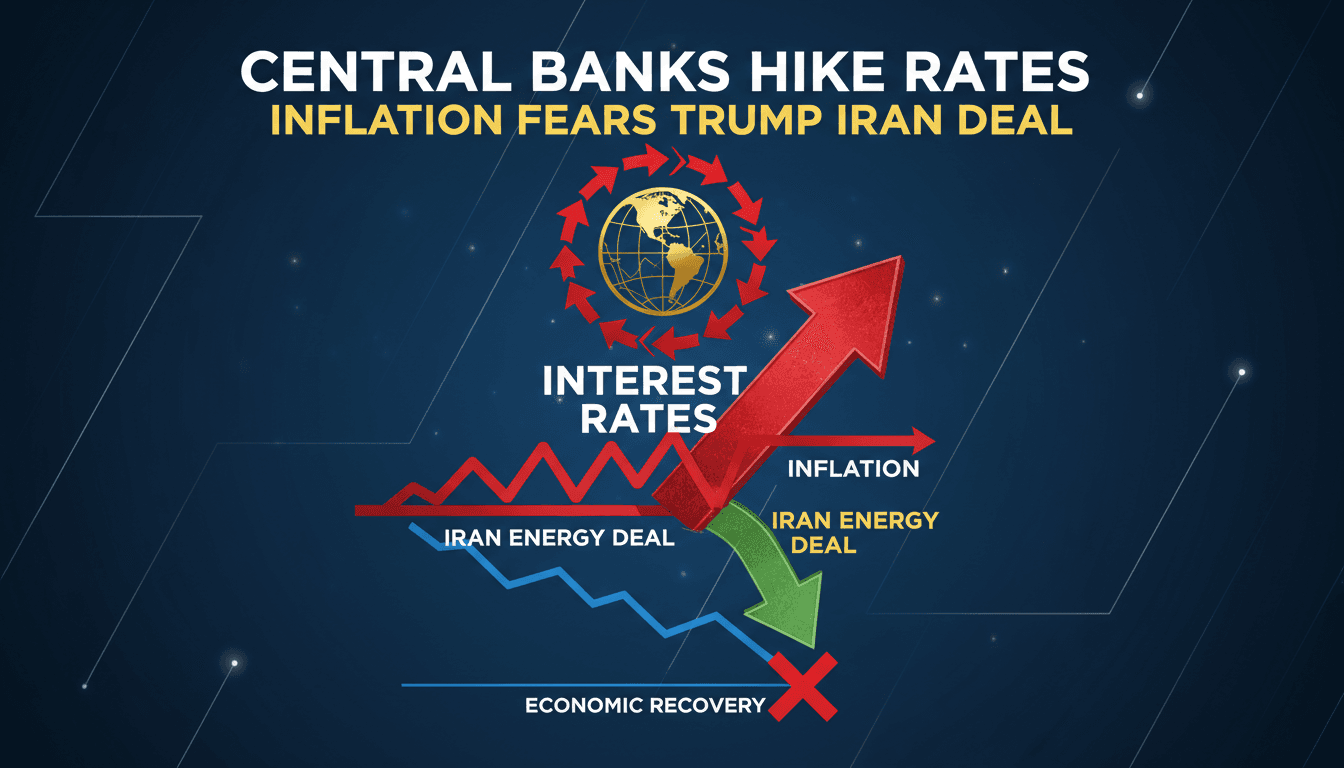
Here's what it means for you.
The ongoing interest rate hikes by central banks signal a continued focus on inflation control, which may affect borrowing costs and economic growth. Despite the Iran deal aimed at stabilizing energy prices, policymakers remain cautious, indicating that immediate relief is not on the horizon. This approach could lead to prolonged economic challenges as central banks prioritize inflation over recovery.
What happened
Central banks around the world are persisting with interest rate increases, even in light of the recent Iran peace deal. This decision reflects a broader concern about inflation that policymakers believe the deal does not sufficiently address. The European Central Bank has been particularly vocal, indicating that the deal will not halt their plans for further rate hikes.
As energy prices have fallen, inflationary pressures remain a significant concern for these institutions. The current stance of central banks is clear: they are not ready to lower interest rates, despite external factors like the Iran agreement. This cautious approach underscores the complexities of the current economic landscape.
The Context
The backdrop to these developments includes a global economy still grappling with inflation, despite some relief in energy prices. Central banks are prioritizing inflation control over immediate economic relief, viewing the Iran deal as insufficient to mitigate the ongoing energy shock. Policymakers are wary of declaring an all-clear for the global economy, reflecting a cautious sentiment.
The timeline of events shows that as early as June 17, 2026, ECB officials were expressing skepticism about the Iran deal's impact on interest rates. By June 18, reports confirmed that central banks were raising borrowing costs, underscoring a unified stance among major financial institutions. This context highlights the delicate balance central banks must maintain as they navigate inflationary pressures.
Takeaway
Looking ahead, central banks are likely to maintain or even increase interest rates as they continue to address inflation concerns. Observers should monitor upcoming central bank meetings for potential interest rate decisions that could further influence economic conditions. Additionally, developments regarding the Iran deal's impact on global energy markets will be crucial to watch.
The ongoing tightening policies may have significant implications for economic growth and market stability in the near future. As central banks remain vigilant, the interplay between inflation control and economic recovery will be a key focus for stakeholders.
Editor-curated FT homepage stories spanning markets, business, world, and opinion.
"The Financial Times is a globally respected business publication with a centrist/center-left tone and strong markets focus."
— A47 Editor
Iran deal brings little relief for inflation-wary central banks
The recent peace deal between the United States and Iran has led to a decrease in energy prices, yet central banks remain cautious about declaring an end to inflation concerns. Policymakers are not ready to signal a full recovery in the global econom...
Macro commentary, policy analysis, growth/inflation themes, and global outlooks.
"Contextual macro coverage that complements day-to-day market headlines."
— A47 Editor
Iran peace not stopping central banks from raising borrowing costs
Despite a recent peace deal between the United States and Iran, central banks, including the Federal Reserve and the Bank of England, are expected to maintain or raise interest rates due to ongoing inflation concerns. The Federal Reserve is likely to...
Global markets, investing, and macroeconomics from a premier financial newsroom.
"Bloomberg is respected for in-depth financial reporting and data-driven analysis."
— A47 Editor
ECB Officials Say Iran Deal Isn’t Enough to Fix Energy Shock
European Central Bank officials have indicated that a peace deal between the US and Iran may not be sufficient to prevent further interest rate hikes, despite the potential for reduced inflationary pressures. This stance reflects ongoing concerns abo...