
Oil prices stabilize at pre-Iran war levels while gasoline prices remain high
Here's what it means for you.
The stabilization of oil prices to pre-Iran war levels signals a potential easing of some economic pressures. However, the persistent high gasoline prices indicate that consumers may continue to feel the pinch at the pump. This discrepancy raises questions about the pricing practices of gas station owners and the broader implications for the fuel market. As the market adjusts, scrutiny may increase on how gasoline prices are set, potentially leading to regulatory responses. Consumers should remain vigilant as these dynamics unfold in the coming weeks.
What happened
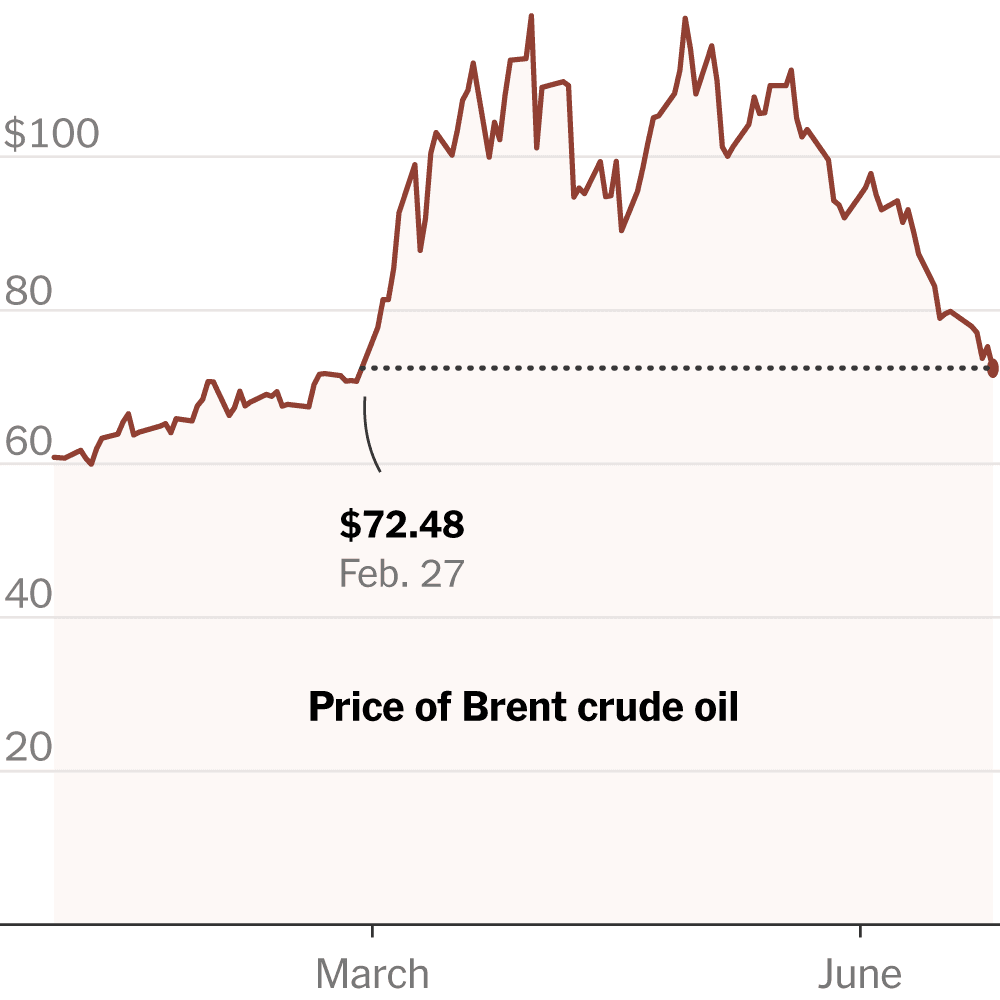
Oil prices have reverted to pre-Iran war levels after four months of volatility. This shift follows a memorandum of understanding between the U.S. and Iran aimed at resolving the ongoing conflict. Despite the drop in oil prices, gasoline prices have not decreased correspondingly, remaining elevated for consumers.
The Iran war, which began on February 28, caused initial spikes in fuel costs, impacting the broader economy. As of late June, oil prices have stabilized, yet the high gasoline prices persist, highlighting a disconnect in the market.
The Context
The Iran war has significantly disrupted energy production and transportation in the Middle East, leading to fluctuations in global oil prices. Stakeholders, including consumers and gas station owners, are navigating the aftermath of this conflict, which has raised concerns about pricing practices in the fuel sector. President Trump has criticized Big Oil for perceived price gouging amid these changes, adding a political dimension to the economic landscape.
The timeline of events shows that the conflict's impact on fuel costs has been profound, with the initial spike in prices occurring shortly after the war began. The recent stabilization of oil prices marks a critical juncture, but the ongoing high gasoline prices suggest that the market is still adjusting.
Takeaway
As the market adapts to the new oil price landscape, consumers may continue to face high gasoline prices. This situation could prompt further scrutiny of pricing practices within the fuel sector, potentially leading to regulatory actions. Observers should monitor gasoline price trends in the coming weeks to gauge the effectiveness of market adjustments.
Additionally, developments in U.S.-Iran relations will be crucial to understanding the long-term implications for fuel prices and the economy. The ongoing dynamics between oil prices and gasoline prices will remain a focal point for consumers and policymakers alike.
Corporate news, economic trends, and markets with UK and global scope.
"BBC News is widely regarded as reputable and impartial, with a public service mandate."
— A47 Editor
UK petrol prices hit highest level since Iran war began
UK petrol prices have surged to 163p per litre, the highest level since the Iran war began, according to the RAC. This increase is attributed to elevated oil prices, which continue to affect the cost of fuel across the country.
United Kingdom-focused news including local politics, business, and social issues.
"BBC News is widely regarded as a reputable international news organization, known for its impartial tone and public service mandate."
— A47 Editor
Diesel sees biggest monthly fall in 26 years. What's happening to fuel prices?
Diesel prices have experienced their largest monthly decline in 26 years, following an initial surge triggered by the US-Israel conflict with Iran. As peace talks progress, fuel costs are now decreasing, reflecting a shift in market sentiment.
Capitol Hill news, legislation, and policy insight.
"The Hill specializes in U.S. politics and policy, with a focus on Capitol Hill developments and a reputation for insider reporting."
— A47 Editor
Oil is nearing prewar prices. Why hasn’t gasoline followed suit?
Oil prices are approaching prewar levels following a memorandum of understanding between the U.S. and Iran aimed at resolving ongoing conflicts. Despite this decrease in oil prices, gasoline prices remain significantly high, prompting criticism from ...
Markets, economy, and company analysis from NYT’s business desk.
"The New York Times is a globally recognized newspaper offering authoritative reporting with a center-left editorial stance."
— A47 Editor
Oil Prices Return to Prewar Levels After Four Months
Oil prices have returned to prewar levels after a significant decline, with Brent crude dropping to approximately $72.24 a barrel. This shift follows a period of volatility influenced by geopolitical tensions surrounding the Iran war and recent marit...