
OPEC+ increases oil production quotas amid market oversupply concerns
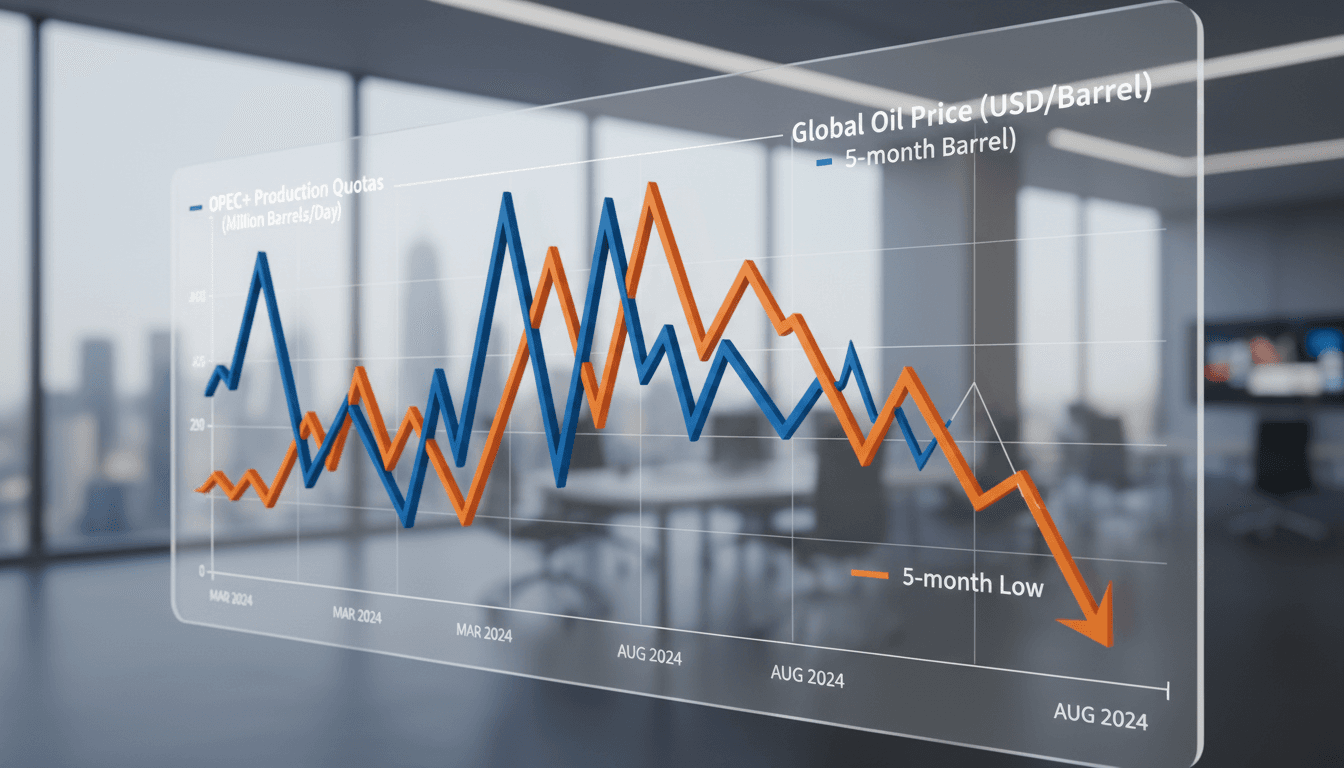
Here's what it means for you.
The recent decision by OPEC+ to increase oil production quotas signals a significant shift in the global oil market. As oil prices have dipped to five-month lows, this move raises concerns about an oversupply that could further impact pricing strategies. Stakeholders in the energy sector should prepare for potential volatility as these adjustments unfold. This increase in production targets reflects OPEC+'s response to recovering oil flows from the Gulf region. The implications of this decision will resonate across various sectors, influencing everything from energy policy to consumer prices.
What happened
OPEC+ has approved a further increase in oil output targets for August, coinciding with a rebound in Gulf oil flows. This marks the fifth consecutive increase in production by the cartel, aimed at addressing the current market dynamics. The decision comes as oil prices have recently dropped to five-month lows, raising alarms about a potential global oil glut.
The ongoing adjustments in production levels are crucial as they will shape future oil prices and market stability. Saudi Arabia's significant cuts to crude prices further indicate the prevailing concerns of oversupply in the market.
The Context
The backdrop of this decision is characterized by a series of production hikes by OPEC+, which have been implemented to unwind previous cuts. As supply begins to outpace demand, the market is facing increasing pressure, prompting the cartel to adjust its output. The geopolitical landscape, particularly relations involving major oil-producing nations, plays a critical role in these dynamics.
The recent fluctuations in oil prices, which spiked to as high as $120 a barrel due to Middle East conflicts, highlight the volatility of the market. As OPEC+ navigates these challenges, the balance between supply and demand will be pivotal in determining future pricing strategies.
Takeaway
Looking ahead, the adjustments made by OPEC+ will be essential in shaping the trajectory of oil prices. Stakeholders should closely monitor the impact of geopolitical developments, particularly U.S.-Iran relations, on oil supply dynamics. Additionally, further price adjustments from Saudi Arabia may be anticipated in response to evolving market conditions.
As the cartel continues to recalibrate its production levels, the interplay between supply and demand will remain a critical factor for market stability. Observers should remain vigilant to how these changes will influence global oil markets moving forward.
Corporate leadership, finance, technology, and market trends.
"Fortune covers financial trends, leadership, and innovation with a pragmatic editorial approach."
— A47 Editor
OPEC+ to pump more oil as market fears shift from shortage to glut
OPEC+ has decided to increase its oil output quotas as Gulf oil flows recover and market prices stabilize, reflecting a shift in focus from potential shortages to concerns about an oversupply. This decision includes an increase of approximately 188,0...
Global markets, investing, and macroeconomics from a premier financial newsroom.
"Bloomberg is respected for in-depth financial reporting and data-driven analysis."
— A47 Editor
Oil Slides to Fresh Five-Month Low as Oversupply Signals Mount
Oil prices have fallen to a fresh five-month low, primarily due to Saudi Arabia implementing the largest cut to its flagship crude prices in 26 years, signaling a significant oversupply in global markets.
Global business headlines with AI angles.
"General business outlet that frequently covers AI."
— A47 Editor
OPEC+ Raises Output Target For August. Smooth Sailing Seen For Oil Price Trajectory
OPEC+ has announced an increase in oil output targets starting in August, aiming to enhance global oil supplies amid rising prices that reached $120 a barrel due to ongoing conflicts in the Middle East. This decision reflects the organization's respo...
Oil, metals, and agriculture: supply/demand headlines, OPEC chatter, inventories, and price action.
"Solid tape for energy and metals traders tracking macro and micro catalysts."
— A47 Editor
OPEC+ approves further oil output increase as Hormuz exports start to recover
OPEC+ has approved a further increase in oil output quotas, reflecting a strategic response to the recovering oil exports from the Strait of Hormuz. This decision comes amid ongoing geopolitical tensions, particularly the impact of the war in Iran on...
Global political, business, and cultural coverage from WSJ international desks.
"The Wall Street Journal offers extensive international reporting with a reputation for financial insight and a center-right editorial stance."
— A47 Editor
OPEC, Allies Hike Output Again as Hormuz Traffic Starts Recovering
OPEC and its allies have announced a fifth consecutive increase in oil output as traffic through the Strait of Hormuz begins to recover, signaling a gradual unwinding of production cuts implemented in previous years. This decision reflects the cartel...
Global markets, investing, and macroeconomics from a premier financial newsroom.
"Bloomberg is respected for in-depth financial reporting and data-driven analysis."
— A47 Editor
OPEC+ Ratifies Planned Oil Quota Hike as Gulf Flows Rebound
Major OPEC+ members have ratified a modest increase in their collective oil-production quotas for the upcoming month, signaling a potential rise in oil supply if a peace agreement between the U.S. and Iran holds. This decision reflects a strategic re...