
Oil prices decline amid uncertainty over U.S.-Iran peace deal
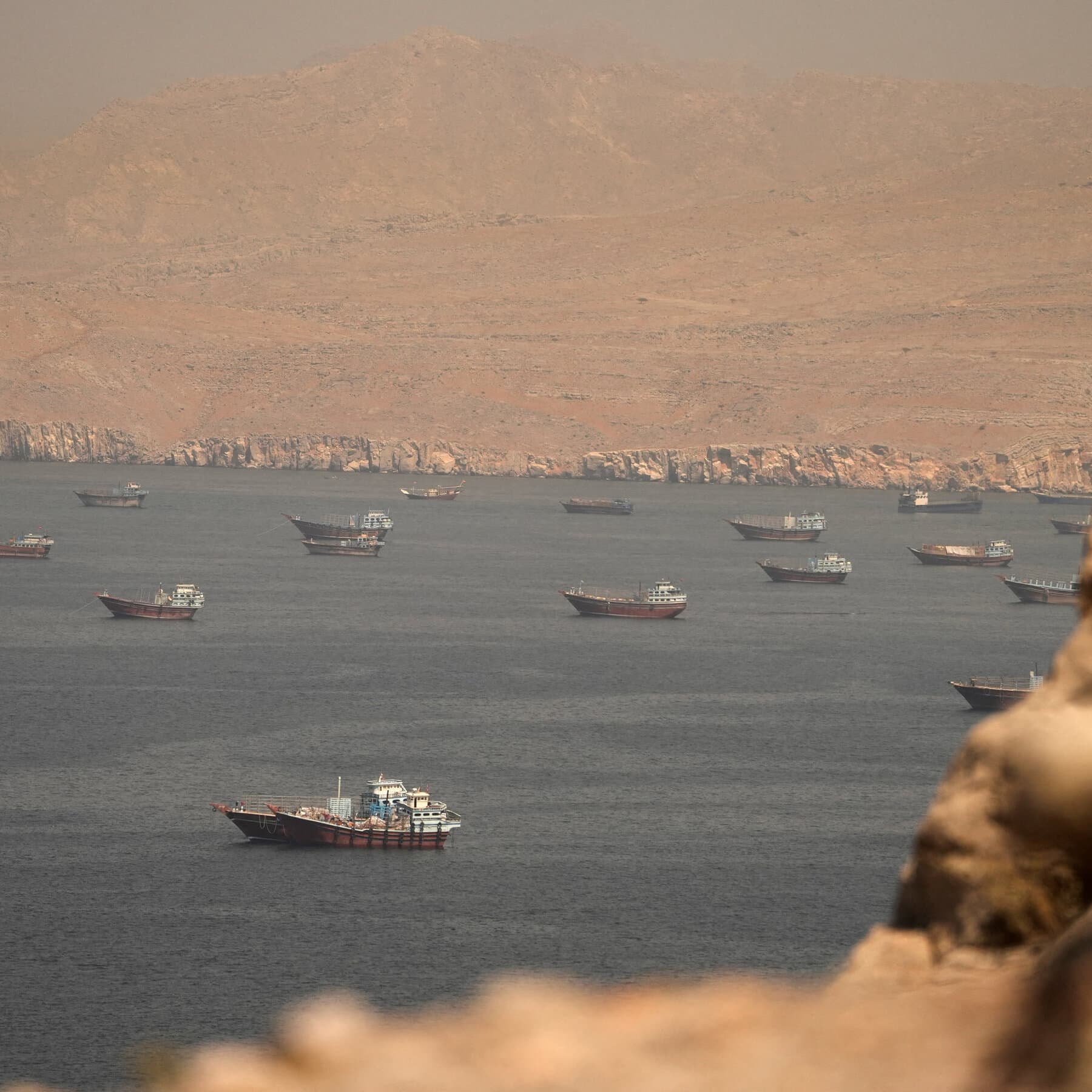
Here's what it means for you.
The ongoing fluctuations in oil prices signal a cautious market response to geopolitical developments, particularly the U.S.-Iran peace deal. As traders weigh the potential benefits against the risks, stakeholders in the energy sector should prepare for continued volatility. This situation underscores the importance of monitoring international relations and their direct impact on oil supply and pricing.
What happened
Oil prices are on track for a second consecutive weekly decline as uncertainty looms over the U.S.-Iran deal. This decline is attributed to traders' cautious reactions to the potential benefits and risks associated with the agreement. The deal aims to stabilize the region and reopen critical shipping lanes, yet many questions remain unanswered, leading to mixed market reactions.
The fluctuations in oil prices reflect the delicate balance between optimism for peace and the reality of ongoing geopolitical tensions. As the situation evolves, the market is responding to both the immediate impacts of the deal and the broader implications for energy production and transportation.
The Context
The conflict that began on February 28 has already caused a spike in fuel costs due to disruptions in energy production and transportation. The Memorandum of Understanding (MOU) signed by the U.S. and Iran is intended to address these issues, but the uncertainty surrounding its implementation leaves traders apprehensive. The interplay of these factors highlights the significant role that geopolitical stability plays in the oil market.
As the U.S.-Iran deal unfolds, stakeholders must remain vigilant regarding developments that could affect oil supply. The current volatility serves as a reminder of how interconnected global politics and energy markets are, particularly in the Middle East, where tensions can rapidly escalate.
Takeaway
The future of oil prices will heavily depend on the stability and execution of the U.S.-Iran agreement. As traders continue to react to the evolving situation, it is crucial to monitor developments regarding the peace deal and its potential impact on oil production. Geopolitical tensions in the Middle East will also be a key factor influencing oil supply and pricing in the coming weeks.
Stakeholders should prepare for ongoing fluctuations as the market adjusts to new information and developments. The interplay between optimism for peace and the reality of geopolitical risks will shape the oil market's trajectory in the near term.
Markets, economy, and company analysis from NYT’s business desk.
"The New York Times is a globally recognized newspaper offering authoritative reporting with a center-left editorial stance."
— A47 Editor
Oil Prices Rise as U.S.-Iran Deal Faces Tests
Oil prices are experiencing fluctuations as traders react to signs of instability in the recent U.S.-Iran peace deal aimed at reducing hostilities in the Middle East. Despite a potential agreement, oil remains on track for a second consecutive weekly...
Oil, metals, and agriculture: supply/demand headlines, OPEC chatter, inventories, and price action.
"Solid tape for energy and metals traders tracking macro and micro catalysts."
— A47 Editor
Brent rises after Vance warns Israel against breaking cease-fire
Brent crude oil prices have risen following a warning from Vance to Israel against violating a cease-fire, highlighting the ongoing geopolitical tensions in the region. This warning comes amid a backdrop of fluctuating oil prices influenced by variou...
Oil, metals, and agriculture: supply/demand headlines, OPEC chatter, inventories, and price action.
"Solid tape for energy and metals traders tracking macro and micro catalysts."
— A47 Editor
Oil prices turn mixed, but headed for big weekly decline on U.S.-Iran peace deal
Oil prices have turned mixed but are on track for a significant weekly decline following the announcement of a peace deal between the U.S. and Iran, aimed at reducing hostilities in the Middle East. This development has led to fluctuations in oil pri...
Business, investment, entrepreneurship, leadership, and innovation.
"Forbes is known for its coverage of business leaders, market trends, and entrepreneurial ventures with a pro-business editorial stance."
— A47 Editor
The Iran Deal Drives Oil Prices Down, But Uncertainty Looms
A Memorandum of Understanding (MOU) has been signed between Washington and Tehran, which is expected to reopen the Strait of Hormuz, a vital shipping lane for global oil transport. This agreement comes amid ongoing tensions and defers discussions on ...
Markets desk coverage, trading insights, and investor updates.
"WSJ’s markets reporting provides in-depth analysis and context for investors."
— A47 Editor
Oil Futures Inch Up As Market Focuses on U.S.-Iran Deal
Oil futures experienced a modest increase amid fluctuating market conditions, as investors closely monitor the implications of a potential peace deal between the U.S. and Iran. This agreement, which aims to reopen the strategically vital Strait of Ho...
Corporate news, economic trends, and markets with UK and global scope.
"BBC News is widely regarded as reputable and impartial, with a public service mandate."
— A47 Editor
What's happening to UK petrol and diesel prices now the US and Iran have a deal?
Following the onset of conflict on February 28, fuel prices in the UK surged as the war disrupted energy production and transportation across the Middle East. This escalation in prices reflects the broader impact of geopolitical tensions on global ma...
United Kingdom-focused news including local politics, business, and social issues.
"BBC News is widely regarded as a reputable international news organization, known for its impartial tone and public service mandate."
— A47 Editor
Will UK petrol and diesel prices start going down?
UK petrol prices have recently increased due to the ongoing US-Israel military campaign against Iran, which has caused fluctuations in global oil prices. However, discussions for a proposed ceasefire could lead to a decrease in these prices.
UK and global news from the British Broadcasting Corporation.
"BBC News is a publicly funded UK broadcaster generally regarded as centrist, operating under strict editorial guidelines."
— A47 Editor
Will petrol and diesel prices go up now?
Oil prices have remained high, raising concerns about potential increases in the costs of petrol and diesel in the UK.