
IMF Warns of Risks and Benefits of Tokenization in Finance
Here's what it means for you.
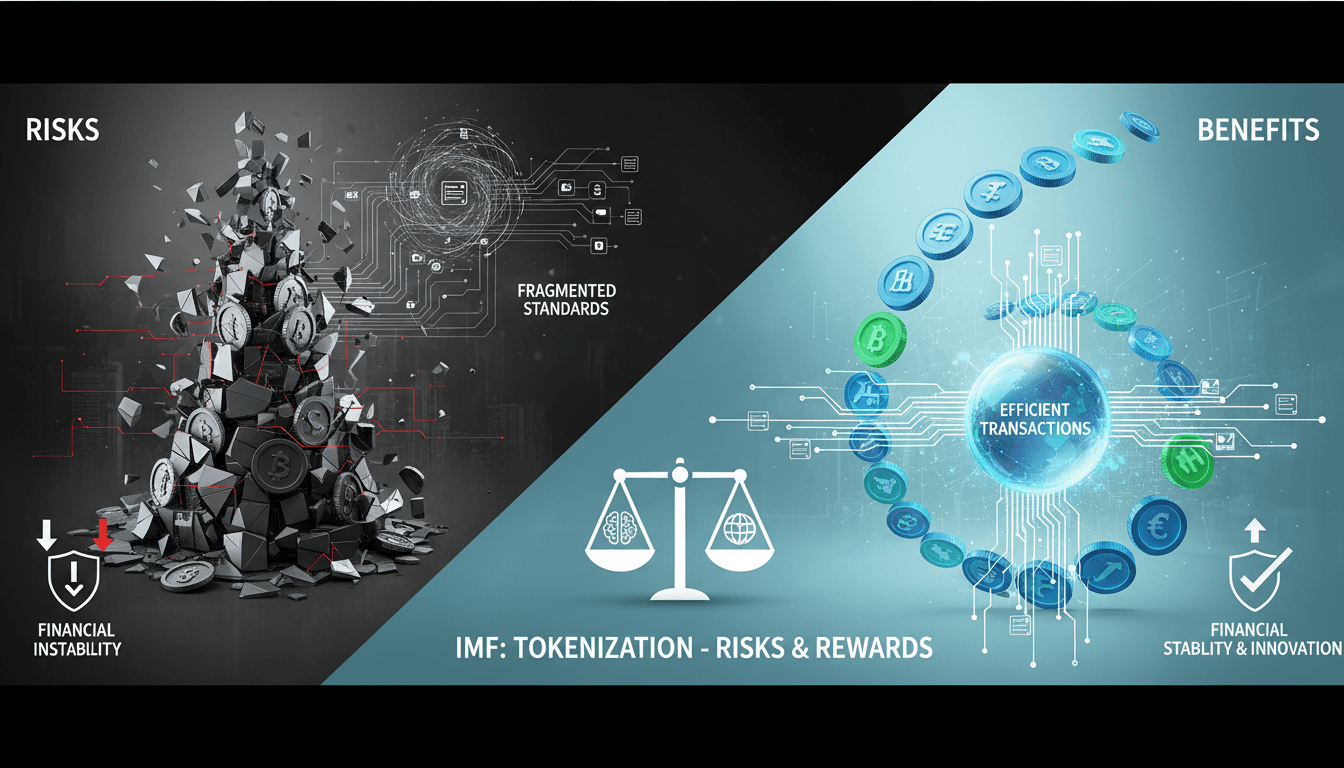
The International Monetary Fund (IMF) has raised important considerations regarding the rapid adoption of tokenization in financial transactions. As this technology promises to enhance efficiency and speed, it also introduces potential risks that could destabilize financial systems. Stakeholders must be vigilant in addressing these challenges to ensure that the benefits of tokenization are realized without compromising stability. The implications of the IMF's warning extend to regulators, financial institutions, and investors alike. A balanced approach to implementing tokenization standards will be crucial in shaping the future of finance.
What happened
The IMF has issued a warning about the dual-edged nature of tokenization in finance. While the organization acknowledges the potential for tokenization to enhance transaction speed and efficiency, it also cautions against the risks posed by fragmented standards and platforms. This warning highlights the need for a careful examination of how tokenization is integrated into the financial landscape.
The IMF's insights suggest that the adoption of tokenization could lead to systemic risks if not managed properly. As the financial sector evolves, the balance between innovation and stability will be critical to ensuring a secure environment for all stakeholders.
The Context
Tokenization has the potential to accelerate settlement processes in financial markets, making transactions faster and cheaper. However, the IMF warns that weak standards and fragmented platforms may lead to new vulnerabilities, increasing the risk of financial shocks. This duality of benefits and risks is particularly relevant on a global scale, as financial systems become increasingly interconnected.
The year 2026 is poised to be a pivotal moment for the adoption and regulation of tokenization in finance. As stakeholders navigate these changes, the implications for financial stability will be significant, necessitating a proactive approach to regulatory frameworks.
Takeaway
As tokenization continues to gain traction, it is essential for stakeholders in the financial sector to monitor regulatory developments regarding standards. The potential for financial shocks linked to tokenized assets underscores the importance of implementing robust frameworks to mitigate risks. The future of finance may hinge on how effectively these challenges are addressed.
In the coming months, attention should be focused on the evolution of regulatory measures and their impact on the adoption of tokenization. The balance between harnessing the benefits of this innovation and ensuring financial stability will be crucial for the sector's future.
Covers blockchain, cryptocurrency news, project analysis, and market insights.
"CoinDesk is a well-established cryptocurrency and blockchain news provider, offering comprehensive insights, market data, and industry research."
— A47 Editor
Tokenization could make finance faster, but also more susceptible to shocks, IMF says
The International Monetary Fund (IMF) has reported that tokenization in finance could enhance speed and reduce costs, but it also increases vulnerability to sudden market shocks. This duality presents a significant challenge for financial stability.
Real-time updates, analysis, and reports on the blockchain and cryptocurrency sectors.
"Crypto News delivers real-time updates, analysis, and reports on the blockchain and cryptocurrency sectors."
— A47 Editor
IMF warns tokenization could remake finance or fracture it
The International Monetary Fund (IMF) has issued a warning regarding the potential impact of tokenization on global finance, stating that while it could expedite settlement processes, it may also introduce new financial stability risks due to weak st...
Covers blockchain, cryptocurrency news, project analysis, and market insights.
"Cointelegraph is a leading crypto-focused media outlet known for timely news, analysis, and educational content related to blockchain and digital assets."
— A47 Editor
IMF says tokenization could transform settlement and financial stability
The International Monetary Fund (IMF) has stated that tokenization, driven by blockchain technology, has the potential to transform financial settlement processes and enhance financial stability. However, the IMF cautions that the current lack of uni...