
Oil prices rise amid renewed US-Iran military tensions
Here's what it means for you.
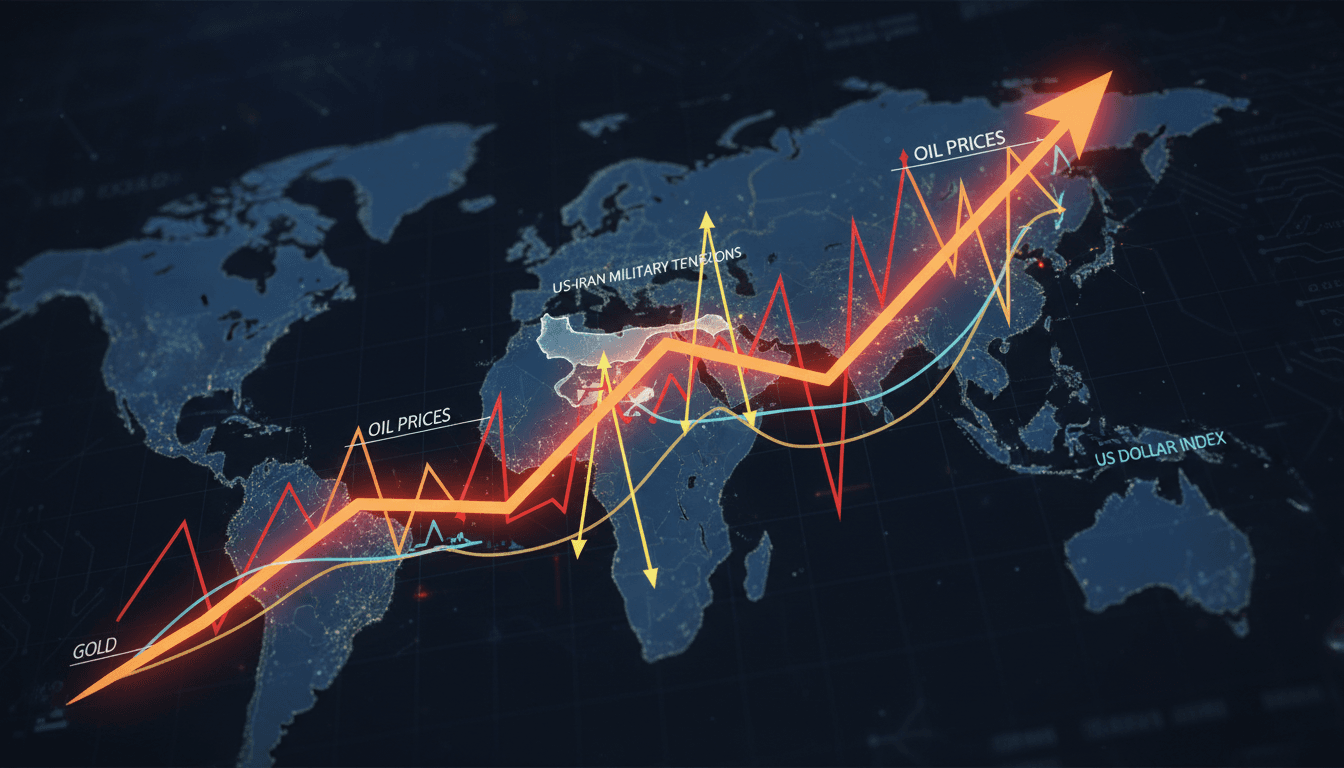
The recent military exchanges between the United States and Iran have led to a notable increase in oil prices, raising concerns about energy supply security. Investors are likely to react to this volatility, which could influence their strategies regarding commodities such as gold and the US dollar. As geopolitical tensions persist, market participants should brace for potential fluctuations in oil prices that may impact broader economic conditions. The implications of these developments extend beyond the oil market, affecting investor sentiment and policy considerations. Stakeholders in various sectors should remain vigilant as the situation evolves, particularly regarding energy supply routes.
What happened
Oil prices have risen following military exchanges between the US and Iran, with Brent crude oil now priced at $72.49 per barrel. This increase reflects heightened fears over the security of oil shipments, particularly through the strategically significant Strait of Hormuz. As tensions escalate, the market is responding to the potential for disrupted supply routes.
In parallel, gold prices have experienced a decline, falling by 0.5% to $4067.99 per ounce. This drop is attributed to investor anticipation of rising interest rates from the US Federal Reserve, which has also contributed to a stronger US dollar.
The Context
The renewed military tensions between the US and Iran have reignited fears regarding the stability of oil shipments in the region. The Strait of Hormuz is a critical chokepoint for global oil transport, making any disruption a significant concern for energy markets. As these geopolitical dynamics unfold, the implications for global oil supply and pricing are profound.
Additionally, the US dollar is on track for its best monthly performance in nearly a year, which may further influence market behavior. Investors are closely monitoring developments in US-Iran relations, as well as Federal Reserve announcements regarding interest rates, which could have lasting effects on both oil and gold markets.
Takeaway
The ongoing military tensions in the Middle East are likely to keep oil prices volatile in the near term. Investors should watch for further developments in US-Iran relations, as these could significantly impact oil supply and pricing strategies. Additionally, any announcements from the Federal Reserve regarding interest rates will be crucial in shaping market sentiment.
As the situation evolves, stakeholders across various sectors must remain alert to the potential for continued fluctuations in oil prices and their broader economic implications.
Arabic-language coverage of Saudi, regional, and international affairs.
"Al Bilad offers mainstream Saudi newspaper coverage across domestic and broader Arab topics."
— A47 Editor
النفط يرتفع والذهب يتراجع والدولار يحقق أفضل أداء شهري
Oil prices rose during trading on Monday amid renewed military tensions between the United States and Iran, with both sides exchanging strikes, raising concerns about energy supply security and shipping routes through the Strait of Hormuz. Meanwhile,...
Pan-Arab political news and analysis.
"Al-Quds Al-Arabi is a London-based Arabic newspaper known for political coverage."
— A47 Editor
الذهب يهبط مع صعود النفط بفعل التوتر الأمريكي الإيراني
Gold prices fell on Monday as oil prices rose amid renewed hostilities between the United States and Iran, coupled with increasing pressure on the metal due to expectations of interest rate hikes from the U.S. Federal Reserve. Spot gold dropped by 0....
Pan-Arab political news and analysis.
"Al-Quds Al-Arabi is a London-based Arabic newspaper known for political coverage."
— A47 Editor
النفط يصعد بعد تجدد الضربات الأمريكية الإيرانية في الشرق الأوسط
Oil prices rose on Monday following renewed strikes between the United States and Iran in the Middle East, highlighting the fragility of their temporary agreement to end hostilities and causing a slowdown in oil shipping through the Strait of Hormuz....