
Oil prices rise amid escalating U.S.-Iran tensions and military strikes
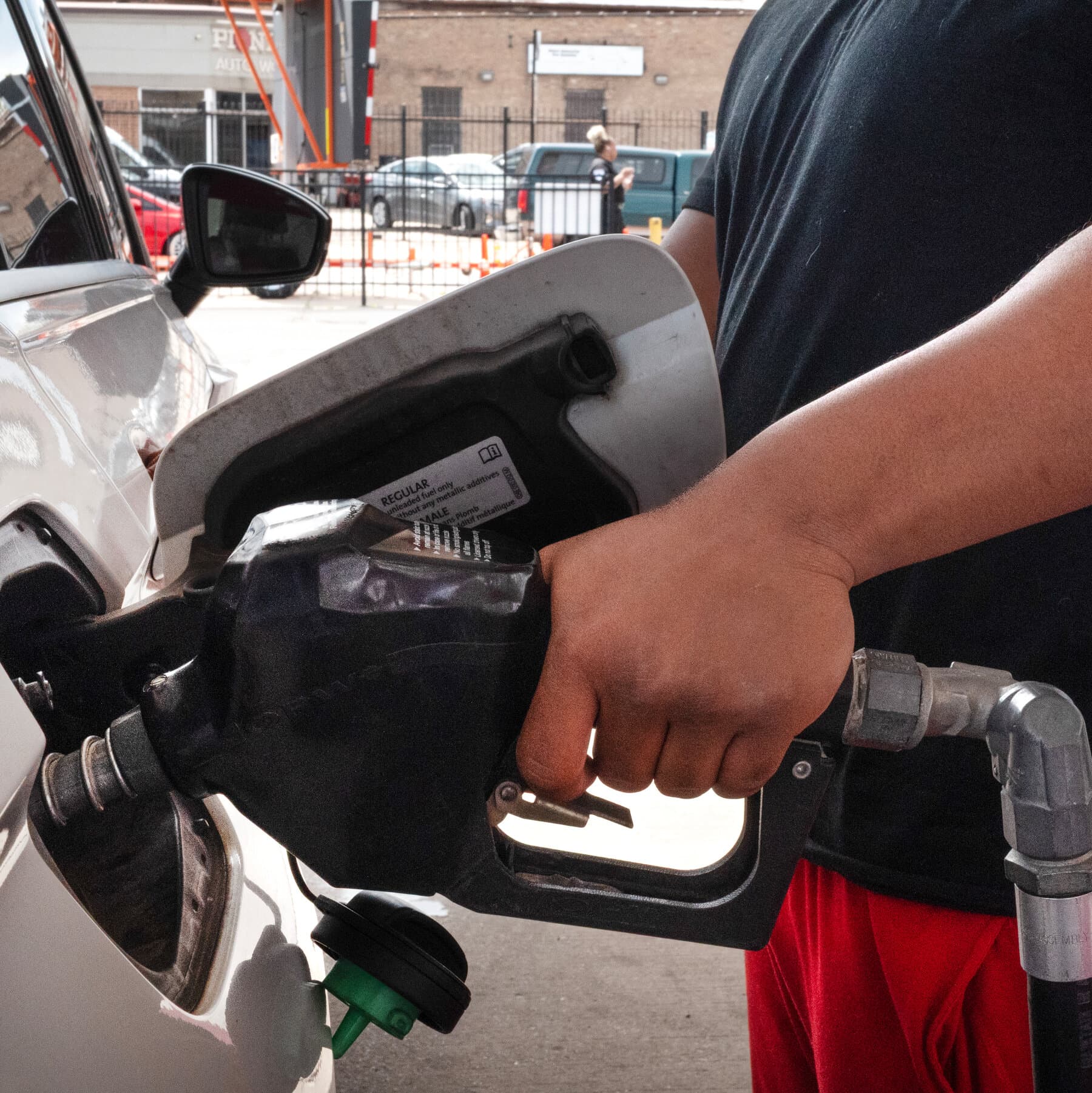
Here's what it means for you.
The recent military strikes by the U.S. against Iran have sent oil prices soaring, reflecting heightened market sensitivity to geopolitical tensions. As fears of supply disruptions loom, stakeholders in the energy sector must brace for potential volatility in pricing. This situation underscores the intricate relationship between international relations and market stability, impacting both consumers and businesses alike. With oil prices hovering around $92, the implications for energy policy and market dynamics are significant. Investors and policymakers should closely monitor developments in U.S.-Iran relations, as any escalation could further influence oil supply and pricing strategies.
What happened
Oil prices have surged amid escalating tensions between the U.S. and Iran, marked by recent military actions. On June 10, 2026, the U.S. launched new strikes against Iran, disrupting a two-month cease-fire that had previously been in place. This escalation has raised concerns in the market regarding potential supply disruptions, contributing to a tightening of oil supplies.
As a result of these developments, oil prices rose nearly 1% in early trading on the same day. The current price level of around $92 indicates a significant market reaction to geopolitical events and the potential for supply constraints.
The Context
The recent military strikes have strained relations between the U.S. and Iran, with both nations now on high alert. The situation is particularly critical as it follows a period of relative calm, marked by a cease-fire that had lasted for two months. Stakeholders in the energy sector are acutely aware of how such geopolitical tensions can impact oil availability and pricing.
The ongoing conflict not only affects oil prices but also has broader implications for global energy markets. As tensions escalate, market participants are likely to experience increased volatility, making it essential to stay informed about developments in U.S.-Iran relations.
Takeaway
The ongoing military clashes in the Middle East could lead to further volatility in oil prices, prompting market participants to prepare for continued fluctuations. Investors should closely monitor any new military actions or diplomatic efforts that may arise in the coming days. The potential for supply disruptions remains a critical concern, and market reactions will likely reflect these dynamics.
As the situation evolves, stakeholders must remain vigilant to understand the implications for oil supply and pricing strategies. The energy sector is poised for a period of uncertainty, making it essential to stay updated on geopolitical developments.
Markets desk coverage, trading insights, and investor updates.
"WSJ’s markets reporting provides in-depth analysis and context for investors."
— A47 Editor
Oil Settles Lower As Trump Cancels Planned Strikes on Iran
Oil futures settled lower as President Trump canceled planned military strikes against Iran, which had previously raised tensions in the region. This decision came after a volatile period marked by U.S. strikes in response to an Iranian helicopter at...
Markets, economy, and company analysis from NYT’s business desk.
"The New York Times is a globally recognized newspaper offering authoritative reporting with a center-left editorial stance."
— A47 Editor
Oil Rises on Trump’s Iran Threats and New Strikes Across Middle East
Oil prices have surged following recent military strikes between Iran and the United States, which have strained a fragile cease-fire in the region. This escalation has raised concerns among traders about potential disruptions in energy markets, as g...
UAE-based newspaper covering Gulf politics, society, and international developments.
"Gulf News is one of the UAE’s most prominent English-language publications."
— A47 Editor
Oil holds near $92: 'Ghost' tankers ease nerves amid rising US-Iran military clashes
Oil prices have stabilized near $92 amid escalating military tensions between the US and Iran, with recent developments including US military strikes against Iran following the downing of a U.S. helicopter. The situation has raised concerns about sup...
A curated Gulf News feed featuring major stories across news, business, opinion, and lifestyle.
"Gulf News is a major UAE newspaper whose featured stories feed reflects a broad editorial mix shaped for a Gulf audience."
— A47 Editor
Oil holds near $92: 'Ghost' tankers ease nerves amid rising US-Iran military clashes
Oil prices have stabilized near $92 amid escalating military tensions between the US and Iran, with recent developments including US military strikes against Iran following the downing of a U.S. helicopter. The situation has raised concerns about sup...
Oil, metals, and agriculture: supply/demand headlines, OPEC chatter, inventories, and price action.
"Solid tape for energy and metals traders tracking macro and micro catalysts."
— A47 Editor
Oil rises nearly 1% as US launches new strikes against Iran, supply tightens
Oil prices have risen nearly 1% following new U.S. military strikes against Iran, which are part of ongoing tensions in the region. This escalation comes amid concerns over supply disruptions and geopolitical instability, impacting market sentiment.