
Oil prices decline as negotiations over Strait of Hormuz progress
Here's what it means for you.
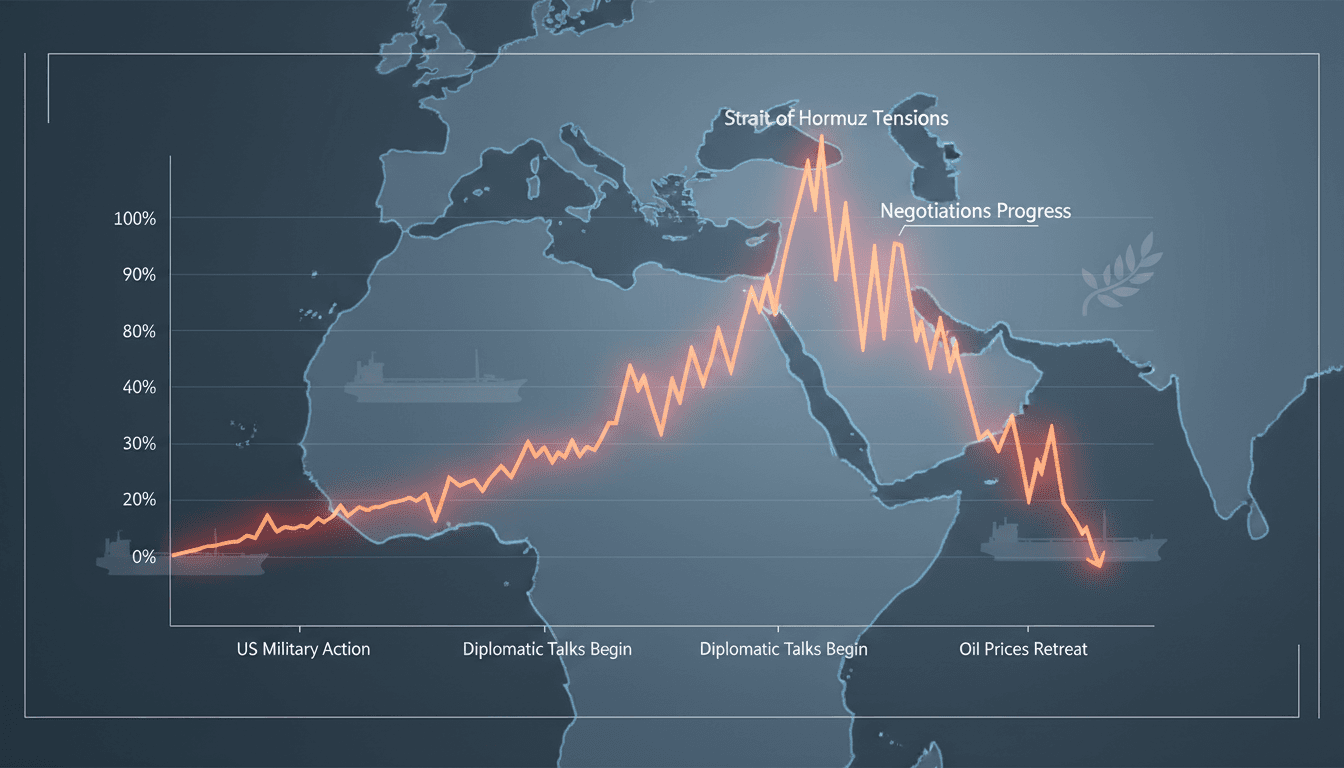
The recent decline in oil prices signals a shift in market sentiment as traders respond to ongoing negotiations regarding the Strait of Hormuz. This critical chokepoint for global oil shipments has been under scrutiny due to heightened geopolitical tensions, particularly following US military actions in Iran. As the situation evolves, stakeholders in the oil market must remain vigilant, as fluctuations in prices can significantly impact economic stability and energy policies worldwide. The interplay between military actions and diplomatic efforts will continue to shape market dynamics. Investors and policymakers alike should monitor developments closely, as the outcomes of these negotiations could have lasting implications for oil supply and pricing.
What happened
Oil prices have recently retreated after a brief surge driven by fears of shipping disruptions in the Strait of Hormuz. Initially, Brent crude prices jumped by 4% due to concerns surrounding US military strikes in Iran, which heightened anxieties about potential supply disruptions. However, as negotiations aimed at resolving these tensions progressed, prices began to decline, reflecting a shift in market expectations.
Traders are now awaiting further developments from these diplomatic discussions, which are crucial for stabilizing the oil market. The volatility observed in recent days underscores the sensitivity of oil prices to geopolitical events and the swift reactions of market participants.
The Context
The Strait of Hormuz is a vital passage for global oil shipments, making it a focal point for supply concerns. Recent US military actions in Iran have intensified fears of disruptions, prompting immediate market reactions. The situation is further complicated by the intricate web of US-Iran relations, which have historically influenced oil prices and market stability.
As negotiations unfold, the outcomes will be pivotal for both regional security and global oil supply. The ongoing dialogue reflects broader geopolitical interests and the need for a balanced approach to ensure the free flow of oil through this critical chokepoint.
Takeaway
Looking ahead, the situation in the Strait of Hormuz will continue to influence oil prices as negotiations progress. Market participants should keep a close eye on the outcomes of these discussions, as they could lead to either stabilization or further volatility in oil markets. Additionally, developments in US-Iran relations will play a crucial role in shaping future price movements.
The interplay between geopolitical events and market sentiment will remain a key factor for traders and policymakers alike. As the situation evolves, the oil market's response will be closely monitored for signs of longer-term trends.
Markets desk coverage, trading insights, and investor updates.
"WSJ’s markets reporting provides in-depth analysis and context for investors."
— A47 Editor
Oil Retreats on Hopes for Hormuz Opening
Oil prices have retreated amid growing optimism for a potential reopening of the Strait of Hormuz, a critical maritime route for global oil supplies. This development comes as geopolitical tensions persist, particularly between the U.S. and Iran, aff...
Pan-Arab news coverage spanning politics, business, sports, and regional affairs.
"Asharq Al-Awsat reflects a broad Arab editorial perspective with strong attention to regional geopolitics."
— A47 Editor
النفط يتراجع وسط ترقب الأسواق لمصير المفاوضات بشأن مضيق هرمز
Oil prices declined from recent highs during trading on Wednesday, erasing part of the previous session's gains of 4 percent. This drop reflects market uncertainty as traders await the outcome of negotiations concerning the Strait of Hormuz, a critic...
Stock market news, investing ideas, and trading analysis.
"TheStreet provides market news and retail-investor-focused analysis."
— A47 Editor
Why an Iraqi supertanker could ease pain at the pump
An Iraqi supertanker is poised to enter the market, potentially alleviating the recent surge in oil prices caused by ongoing tensions in the Strait of Hormuz. This maritime route has been critical for oil transport, and disruptions have led to signif...
Oil, metals, and agriculture: supply/demand headlines, OPEC chatter, inventories, and price action.
"Solid tape for energy and metals traders tracking macro and micro catalysts."
— A47 Editor
Brent crude jumps 4% as US strikes in Iran fuel Hormuz shipping fears
Brent crude oil prices surged by 4% following recent U.S. military strikes in Iran, which have heightened fears regarding shipping security in the strategically vital Strait of Hormuz. This escalation in conflict has raised concerns about the stabili...