
Gold prices in the UAE hit a 90-day low amid escalating Middle East tensions
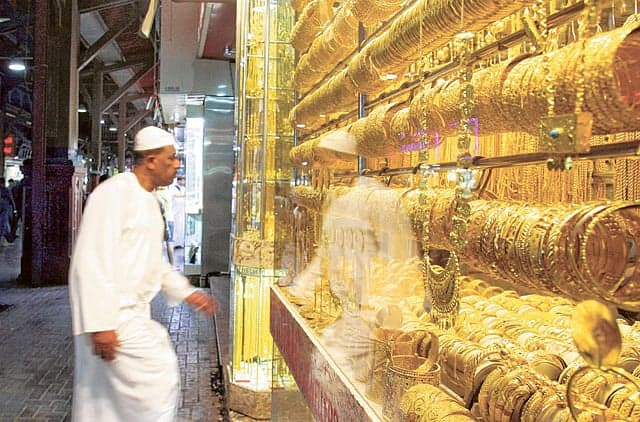
Here's what it means for you.
The recent decline in gold prices in the UAE signals a significant shift in market dynamics, primarily influenced by geopolitical tensions in the Middle East. Investors and consumers alike should remain vigilant, as these fluctuations may impact purchasing decisions and investment strategies. The ongoing situation could lead to further volatility in gold prices, affecting both the jewelry market and bullion investments. As gold prices reach a 90-day low, the implications extend beyond immediate financial concerns, potentially influencing broader economic sentiment in the region. Stakeholders must consider how these developments may shape future market conditions.
What happened
Gold prices in the UAE have fallen significantly, marking a decline of 18.75 dirhams over the past two weeks. This drop has resulted in prices reaching a 90-day low, reflecting a broader trend of decreasing values. The decline has been particularly pronounced, with prices dropping between 7.25 and 12.25 dirhams in just the last week.
This downturn follows a peak in April, where gold prices were notably higher. The current situation underscores the impact of rising geopolitical tensions in the Middle East, which have overshadowed previous optimism regarding inflation.
The Context
The recent decline in gold prices is closely tied to escalating tensions in the Middle East, which have created uncertainty in the market. As geopolitical issues continue to unfold, they are likely to influence investor sentiment and commodity pricing. Despite the price drop, demand for gold jewelry and bullion remains active, indicating a complex market dynamic.
The timing of this decline is critical, as it coincides with a period of heightened global scrutiny on economic indicators. Stakeholders, including investors and consumers, must navigate these turbulent waters while considering the potential implications for their financial strategies.
Takeaway
As geopolitical tensions persist, fluctuations in gold prices are expected to continue, impacting both investors and consumers in the region. It is essential to monitor developments in the Middle East, as these events may further influence market conditions. Additionally, keeping an eye on economic indicators related to inflation will be crucial for understanding future price movements.
The ongoing situation presents both challenges and opportunities for stakeholders in the gold market. Awareness of these dynamics will be key to making informed decisions in the coming weeks.
Arabic-language economic and business reporting with strong UAE market relevance.
"Emarat Al Youm business coverage often centers UAE property, banking, consumer issues, and economic policy."
— A47 Editor
18.75 درهماً انخفاضاً في سعر غرام الذهب خلال أسبوعين 18.75 درهماً انخفاضاً في سعر غرام الذهب خلال أسبوعين
Gold prices have continued to decline for the second consecutive week, with a decrease of 18.75 dirhams per gram, marking a drop between 7.25 and 12.25 dirhams by the end of last week. This trend reflects ongoing fluctuations in the gold market.
UAE-based newspaper covering Gulf politics, society, and international developments.
"Gulf News is one of the UAE’s most prominent English-language publications."
— A47 Editor
Dubai gold hits 90-day low after Dh102.50 fall from April peak
Gold prices in Dubai have reached a 90-day low, dropping by AED 102.50 from their peak in April, with current rates for 24-karat gold reported at AED 486.25 per gram. This decline follows a period of volatility in the gold market, influenced by vario...
A curated Gulf News feed featuring major stories across news, business, opinion, and lifestyle.
"Gulf News is a major UAE newspaper whose featured stories feed reflects a broad editorial mix shaped for a Gulf audience."
— A47 Editor
Dubai gold hits 90-day low after Dh102.50 fall from April peak
Gold prices in Dubai have reached a 90-day low, dropping by AED 102.50 from their peak in April, with current rates for 24-karat gold reported at AED 486.25 per gram. This decline follows a period of volatility in the gold market, influenced by vario...
Pan-Arab news coverage spanning politics, business, sports, and regional affairs.
"Asharq Al-Awsat reflects a broad Arab editorial perspective with strong attention to regional geopolitics."
— A47 Editor
الذهب يتراجع مع تصاعد التوتر في الشرق الأوسط
Gold prices have declined as tensions in the Middle East escalate, undermining recent optimism regarding inflation reduction. This drop reflects a broader concern about geopolitical instability affecting market stability.