
U.S. Treasury yields rise to two-month high amid inflation concerns driven by surging oil prices
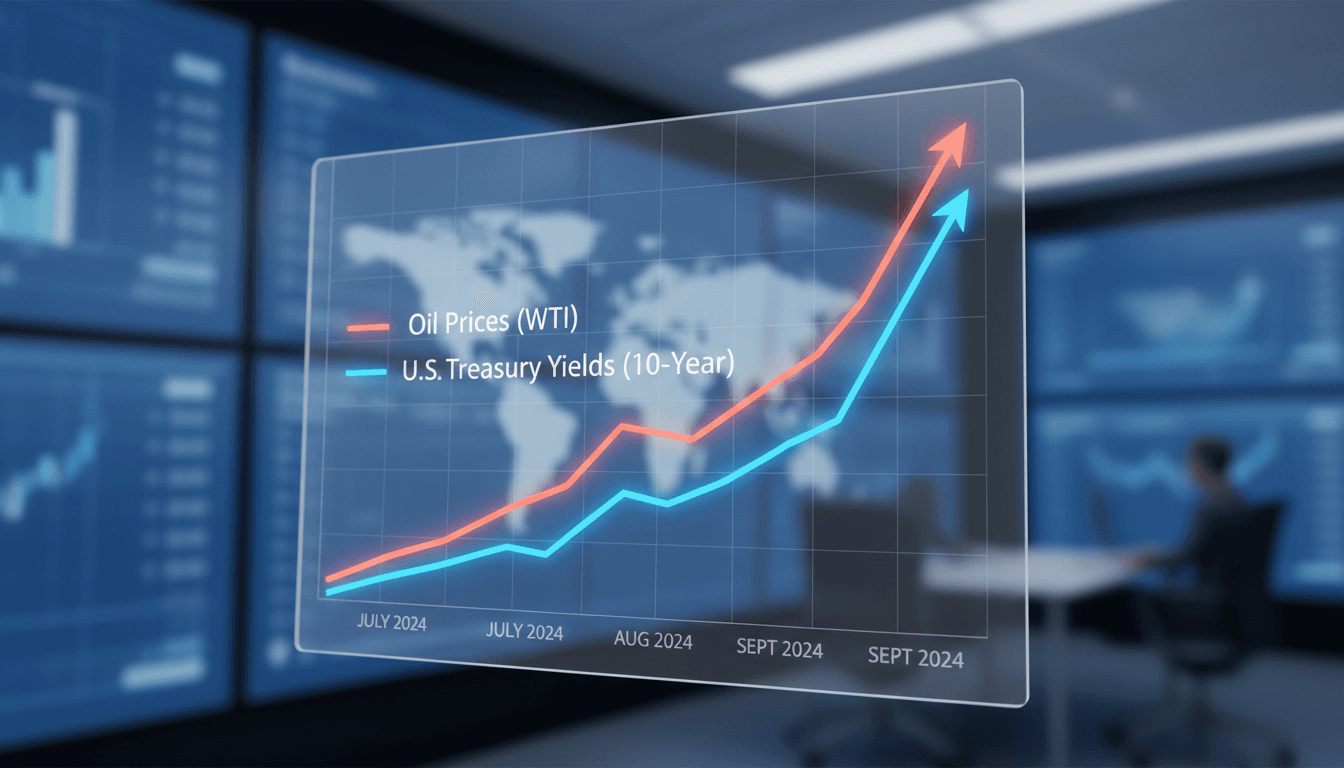
Here's what it means for you.
The recent rise in U.S. Treasury yields signals heightened inflation concerns, primarily driven by surging oil prices. Investors should remain vigilant as these developments may influence Federal Reserve policy decisions in the near future. The current economic landscape is characterized by limited data, making the upcoming interest-rate decision particularly critical for market participants. As inflation fears grow, the implications for interest rates could reshape investment strategies across various sectors. Stakeholders must closely monitor oil price movements and their potential impact on broader economic conditions.
What happened
U.S. Treasury yields have surged to their highest levels in two months, primarily due to rising oil prices that have intensified inflation fears. This spike in yields reflects market apprehension regarding potential interest rate hikes by the Federal Reserve. The increase comes during a relatively quiet week for economic data and Fed communications, as policymakers enter a blackout period ahead of an upcoming interest-rate decision.
The 10- and 30-year Treasury yields are now at levels not seen since July, indicating a significant shift in market sentiment. Investors are reacting to the possibility that persistent inflation could prompt the Federal Reserve to adjust its monetary policy.
The Context
The rise in Treasury yields is occurring against a backdrop of increasing oil prices, which have historically been linked to inflationary pressures. As the Federal Reserve prepares for a critical interest-rate decision, the current economic environment is marked by a lack of substantial data to guide policymakers. This week’s blackout period for Fed communications adds to the uncertainty surrounding future monetary policy.
Market participants are particularly focused on how these developments may influence the Federal Reserve's approach to interest rates. The interplay between oil prices and inflation is crucial, as sustained increases in energy costs could lead to broader economic implications.
Takeaway
Looking ahead, investors should closely monitor the upcoming Federal Reserve interest-rate decision scheduled for next Wednesday. The trajectory of oil prices will also be a key factor in shaping inflation expectations and, consequently, Fed policy. As inflation concerns persist, market strategies may need to adapt to the evolving economic landscape.
The interplay between oil prices and Treasury yields will be critical in determining future market movements. Stakeholders should remain alert to any developments that could signal shifts in Federal Reserve actions.
Macro commentary, policy analysis, growth/inflation themes, and global outlooks.
"Contextual macro coverage that complements day-to-day market headlines."
— A47 Editor
Treasury yields hit two-month high on oil surge, inflation fears
Treasury yields have surged to a two-month high, driven by escalating tensions between the U.S. and Iran, coupled with a significant increase in oil prices. This rise reflects growing investor concerns about inflation and geopolitical instability, wh...
Global markets, investing, and macroeconomics from a premier financial newsroom.
"Bloomberg is respected for in-depth financial reporting and data-driven analysis."
— A47 Editor
US Yields Hit Two-Month High as Oil Sparks Inflation Risk
US Treasuries have experienced a decline, with 10- and 30-year yields reaching their highest levels in approximately two months, driven by a surge in oil prices that has heightened inflation concerns. This development has raised fears that the Federa...
Markets desk coverage, trading insights, and investor updates.
"WSJ’s markets reporting provides in-depth analysis and context for investors."
— A47 Editor
Treasury Yields Rise to Start a Quiet Week for Econ Data
Treasury yields rose as Treasurys fell, marking the beginning of a quiet week for U.S. economic data and Federal Reserve communications, with policymakers entering a blackout period ahead of an upcoming interest-rate decision.