
European gas prices surge amid US-Iran conflict and maritime threats
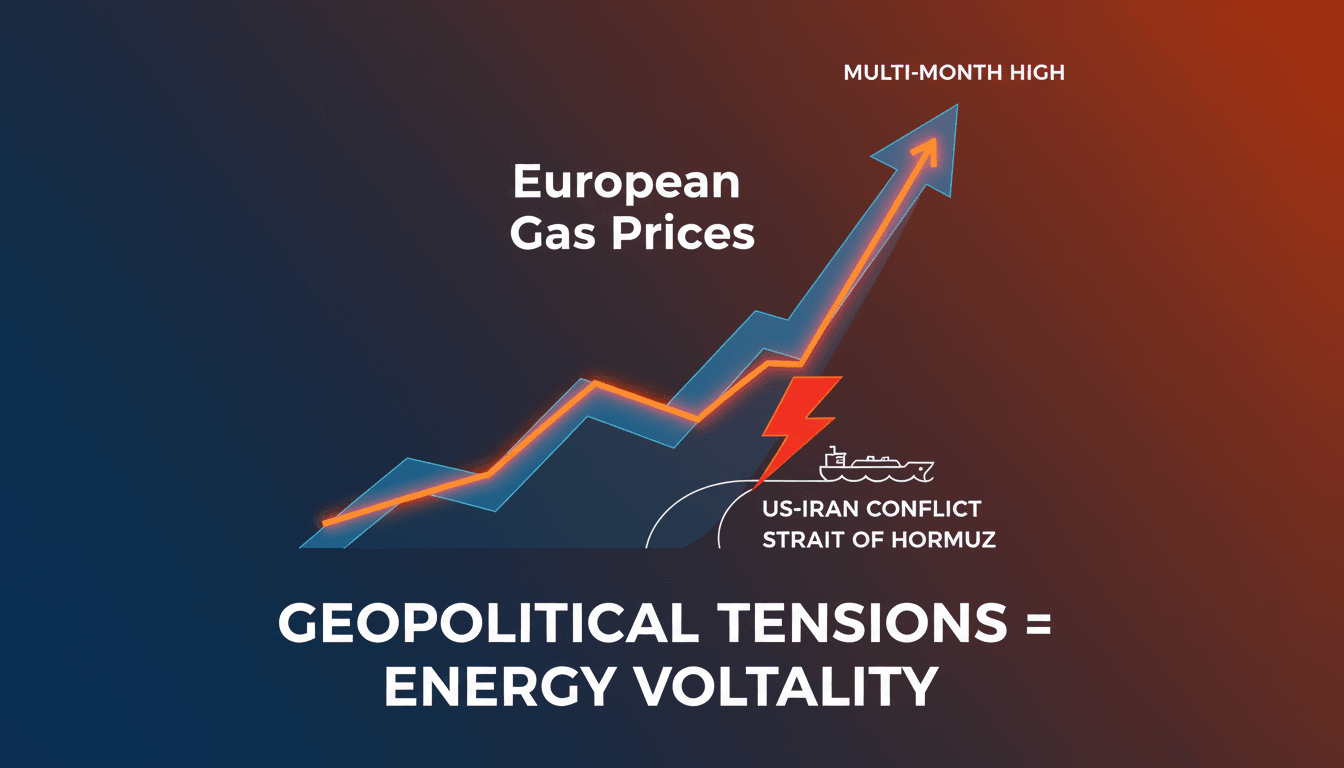
Here's what it means for you.
The recent surge in European gas prices signals a critical moment for energy markets as geopolitical tensions escalate. With winter approaching, the competition for liquefied natural gas (LNG) is intensifying, particularly as Asian buyers seek to secure supplies. This situation could lead to increased energy costs for consumers and businesses alike, impacting economic stability across the region. As the conflict between the US and Iran unfolds, stakeholders must remain vigilant about potential supply disruptions. The volatility in gas prices may prompt policymakers to reassess energy strategies and dependencies, particularly in light of maritime threats in the Strait of Hormuz.
What happened
European gas prices have surged to multi-month highs, driven by fears of supply disruptions linked to the escalating US-Iran conflict. The Dutch natural gas benchmark briefly exceeded €60 per megawatt hour, a level reminiscent of previous conflicts in the region. Traders are increasingly concerned about potential shortages as winter approaches, leading to heightened competition for LNG shipments.
The situation is further complicated by maritime threats in the Strait of Hormuz, a vital route for global energy supplies. As tensions rise, Asian countries are compelled to purchase expensive LNG shipments, exacerbating the supply fears in Europe. Goldman Sachs has responded by revising its European gas price forecasts upward, anticipating continued disruptions.
The Context
The current spike in European gas prices is rooted in the broader geopolitical landscape, particularly the ongoing US-Iran conflict. The escalation of hostilities has raised alarms about the stability of energy supply chains, especially as winter draws near. Houthi maritime strikes have also contributed to keeping European gas futures near multi-month peaks, highlighting the interconnectedness of regional conflicts and global energy markets.
The timing of these developments is critical, as the energy sector typically experiences increased demand during the colder months. Stakeholders, including governments and energy companies, are closely monitoring the situation, recognizing that any disruption in the Strait of Hormuz could have far-reaching implications for global gas prices. The market's sensitivity to geopolitical tensions underscores the importance of strategic energy planning.
Takeaway
Looking ahead, the ongoing geopolitical tensions are likely to keep gas prices elevated as winter approaches, prompting further market volatility. Stakeholders should monitor developments in US-Iran relations closely, as any escalation could significantly impact energy supply chains. Additionally, potential disruptions in the Strait of Hormuz will be crucial to watch, as they could lead to further price increases and supply shortages.
As the situation evolves, energy markets will remain sensitive to geopolitical developments, making it essential for businesses and consumers to stay informed. The implications of these tensions extend beyond immediate price fluctuations, potentially reshaping energy policies and market dynamics in the long term.
Editor-curated FT homepage stories spanning markets, business, world, and opinion.
"The Financial Times is a globally respected business publication with a centrist/center-left tone and strong markets focus."
— A47 Editor
European gas prices approach Iran war highs as traders fret over winter supplies
European gas prices are nearing levels last seen during the Iran conflict, driven by heatwaves and a bidding war with Asian buyers, raising concerns over potential supply disruptions through the Strait of Hormuz.
Global markets, investing, and macroeconomics from a premier financial newsroom.
"Bloomberg is respected for in-depth financial reporting and data-driven analysis."
— A47 Editor
Hormuz and Heat Trigger an Asian Scramble for LNG
Recent geopolitical tensions in the Gulf region, particularly around the Strait of Hormuz, have led to a significant increase in liquefied natural gas (LNG) prices across Asia, with some countries now compelled to purchase the most expensive fuel shi...
Oil, metals, and agriculture: supply/demand headlines, OPEC chatter, inventories, and price action.
"Solid tape for energy and metals traders tracking macro and micro catalysts."
— A47 Editor
Houthi maritime strikes keep European gas futures pinned near multi-month peaks
Houthi maritime strikes have kept European gas futures near multi-month peaks, reflecting ongoing geopolitical tensions that are impacting energy markets. The situation has been exacerbated by threats from the Houthi rebels to disrupt shipping routes...
Oil, metals, and agriculture: supply/demand headlines, OPEC chatter, inventories, and price action.
"Solid tape for energy and metals traders tracking macro and micro catalysts."
— A47 Editor
European gas prices hold near multi-month highs on new Middle East transit threats
European gas prices have remained near multi-month highs due to escalating geopolitical tensions in the Middle East, particularly concerns surrounding liquefied natural gas (LNG) supply chains. This situation has been exacerbated by fears of potentia...
Oil, metals, and agriculture: supply/demand headlines, OPEC chatter, inventories, and price action.
"Solid tape for energy and metals traders tracking macro and micro catalysts."
— A47 Editor
Goldman Sachs hikes European gas price forecast on Hormuz disruption
Goldman Sachs has raised its forecast for European gas prices due to ongoing disruptions in the Strait of Hormuz, a critical passage for energy supplies. This adjustment reflects heightened concerns over potential interruptions in liquefied natural g...
UK and international business news, economics, and corporate coverage.
"The Guardian’s business section covers finance and markets with a progressive editorial tone."
— A47 Editor
European gas prices surge amid fears US-Iran war will cause winter shortages
European gas prices have surged to a four-month high, driven by escalating tensions between the United States and Iran, which have raised concerns about potential supply shortages this winter. The Dutch natural gas benchmark briefly exceeded €60 per ...