
Global markets face volatility as oil prices fluctuate impacting stocks and bonds
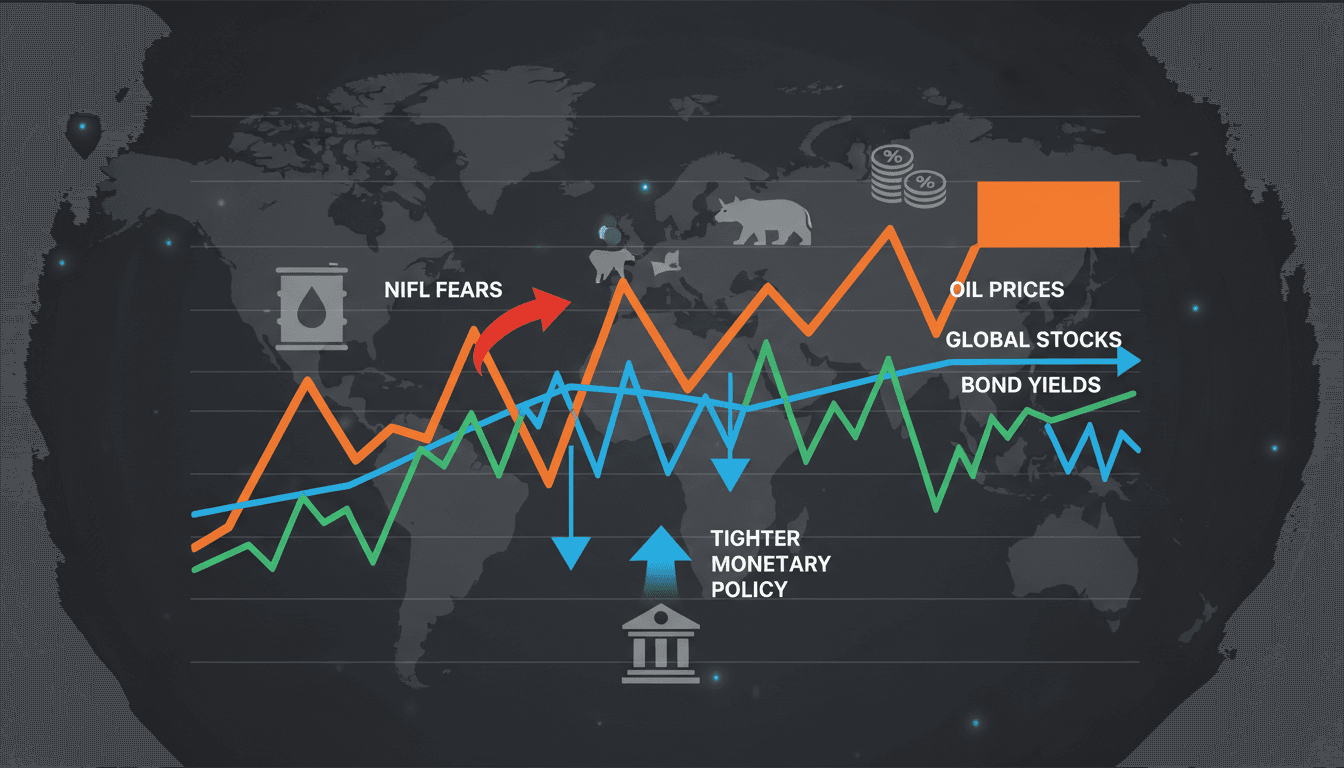
Here's what it means for you.
The recent fluctuations in oil prices are sending ripples through global markets, affecting both stock and bond performance. Investors are increasingly concerned about inflation, which could lead to tighter monetary policies from central banks. This environment necessitates close monitoring of oil price trends, as they may significantly influence market stability and inflation expectations. As energy prices rise, the implications for borrowing costs and investment strategies become more pronounced. Stakeholders across various sectors must remain vigilant to navigate the complexities introduced by these market dynamics.
What happened
Oil prices have paused their climb, resulting in mixed reactions across global stock and bond markets. The resurgence in energy prices has raised inflation concerns, leading to notable losses for bond investors. The S&P 500 index has shown fluctuating performance, with declines in oil prices offsetting a selloff in chipmakers.
This volatility reflects the ongoing challenges traders face as they respond to both oil price changes and corporate earnings reports. The interplay between these factors is creating a complex environment for market participants.
The Context
Global bonds have faced significant losses due to the recent surge in oil prices, which has heightened inflation concerns. Central bankers are now under pressure to address these issues, as rising energy costs could lead to tighter monetary policies. The timing of these developments is critical, as they coincide with ongoing economic recovery efforts.
The mixed performance of the S&P 500 highlights the challenges investors encounter in navigating these fluctuations. As Wall Street traders react to both oil price movements and corporate earnings, the stakes for market stability continue to rise.
Takeaway
Investors should closely monitor oil price trends, as they are likely to influence market stability and inflation expectations moving forward. Potential central bank responses to rising inflation will be crucial in shaping the economic landscape. Further developments in oil prices will also play a significant role in determining market dynamics.
As the situation evolves, stakeholders must remain alert to the implications of these trends on their investment strategies and overall market health.
Macro commentary, policy analysis, growth/inflation themes, and global outlooks.
"Contextual macro coverage that complements day-to-day market headlines."
— A47 Editor
Stocks mixed as oil prices pause climb but yields hover near highs
Stocks exhibited mixed performance as oil prices paused their recent climb, while yields remained elevated, indicating a cautious market sentiment. This development reflects ongoing volatility in the financial markets, influenced by various economic ...
Global markets, investing, and macroeconomics from a premier financial newsroom.
"Bloomberg is respected for in-depth financial reporting and data-driven analysis."
— A47 Editor
Global Bonds Are Reeling as Oil Surge Rekindles Inflation Threat
Global bonds have faced significant losses this week as a surge in oil prices reignites inflation concerns, challenging investors who anticipated a recovery from earlier market downturns. This volatility has raised questions about the effectiveness o...
Global markets, investing, and macroeconomics from a premier financial newsroom.
"Bloomberg is respected for in-depth financial reporting and data-driven analysis."
— A47 Editor
S&P 500 Wavers as Oil Decline Offsets Chip Selloff: Markets Wrap
Wall Street experienced fluctuations in stock prices as the S&P 500 wavered, influenced by a decline in oil prices that helped offset a selloff in chipmakers. This volatility marked the end of a jittery week for traders, reflecting mixed signals from...