
European gas prices decline amid U.S.-Iran negotiation optimism
What happened
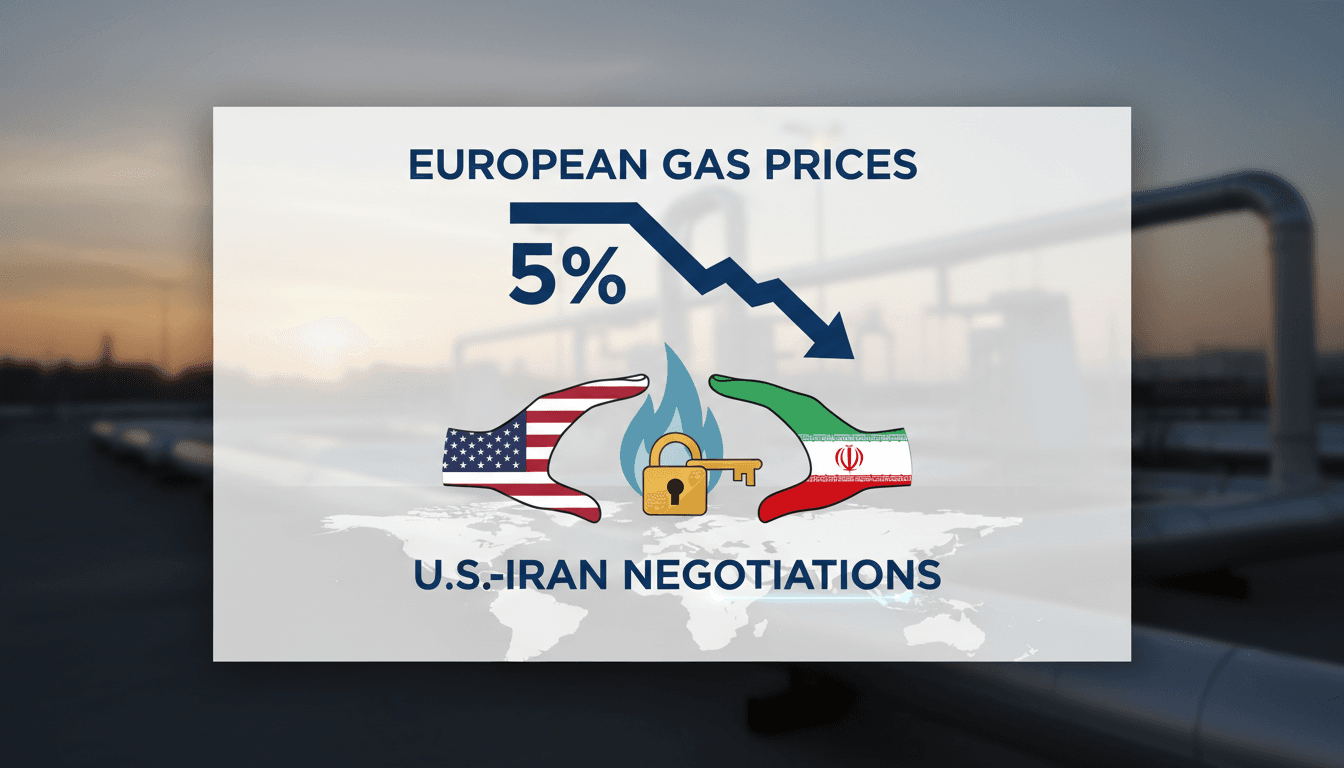
European natural gas prices fell by 5% amid improving prospects for U.S.-Iran talks. This decline reflects market reactions to the potential for a deal that could reshape oil and gas supply routes. The drop in prices occurred on May 25, 2026, as optimism surrounding these negotiations gained traction.
The decrease in gas prices is also attributed to rising supply levels within the European market. As supply increases, the pressure on prices diminishes, creating a more favorable landscape for consumers. Market participants are keenly observing these developments as they unfold.
The Context
The U.S. and Iran are reportedly moving closer to a deal that could significantly impact global energy markets. The Strait of Hormuz is a vital chokepoint for oil and gas shipments, making any changes in its operational status critical for supply dynamics. The ongoing negotiations are pivotal, as they could lead to a more stable energy supply for Europe.
Increased supply levels in Europe are also playing a role in the recent price dip. As the market adjusts to these changes, stakeholders are evaluating the implications for both short-term and long-term pricing strategies. The interplay between geopolitical factors and market supply is crucial in understanding the current landscape.
Takeaway
Continued negotiations between the U.S. and Iran could further influence gas prices and supply dynamics in Europe. Market participants should watch for updates on these discussions, particularly regarding the Strait of Hormuz. Any developments could lead to significant shifts in pricing and availability.
As the situation evolves, the outlook for European gas prices remains uncertain. Stakeholders will need to stay informed about both geopolitical developments and changes in supply levels to navigate this complex environment effectively.
Oil, metals, and agriculture: supply/demand headlines, OPEC chatter, inventories, and price action.
"Solid tape for energy and metals traders tracking macro and micro catalysts."
— A47 Editor
European gas prices dip as supply rises, offsetting uncertain Iran talks outlook
European gas prices have dipped as supply levels have risen, which has helped to offset the uncertain outlook surrounding ongoing negotiations between the U.S. and Iran. This decline in prices reflects a market response to geopolitical developments a...
Markets desk coverage, trading insights, and investor updates.
"WSJ’s markets reporting provides in-depth analysis and context for investors."
— A47 Editor
European Gas Prices Down 5% on U.S.-Iran Talks Optimism
European natural gas prices decreased by 5% as optimism grew regarding potential negotiations between the U.S. and Iran to reopen the strategically significant Strait of Hormuz. This decline reflects a shift in market sentiment amid ongoing geopoliti...
U.S. business news, corporate developments, and economy.
"The Wall Street Journal is respected for deep financial and economic reporting with a center-right editorial perspective."
— A47 Editor
European Gas Prices Down 5% on U.S.-Iran Talks Optimism
European natural gas prices decreased by 5% due to growing optimism surrounding potential negotiations between the U.S. and Iran aimed at reopening the strategically vital Strait of Hormuz. This development reflects a shift in geopolitical dynamics t...