
Oil prices exceed $100 per barrel due to escalating Middle East tensions
What happened
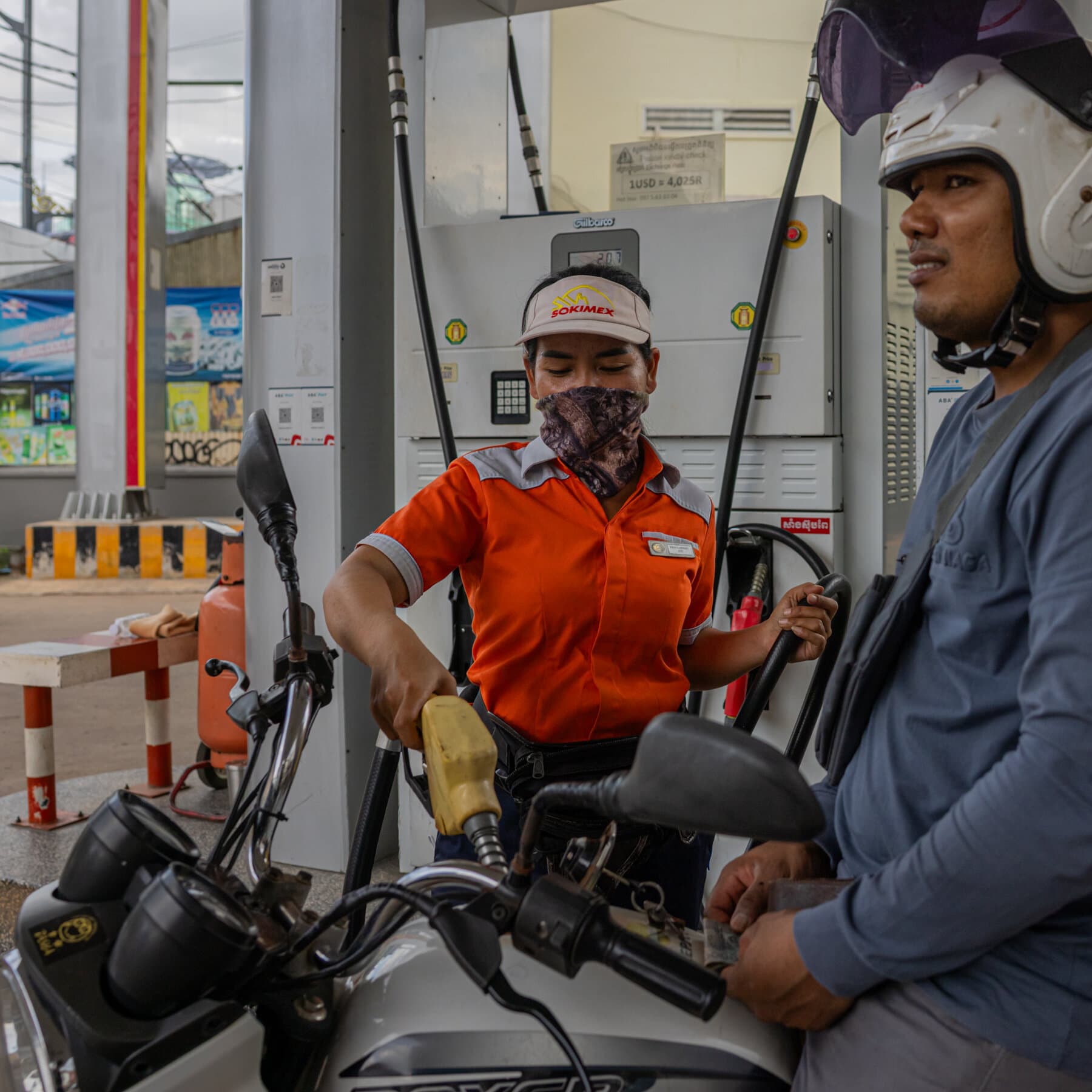
Brent crude oil prices have surged past the $100 mark amid escalating military tensions in the Middle East. This spike is primarily driven by ongoing conflicts, particularly those involving Iran, which have raised concerns about global inflation and consumer prices. The national average gasoline prices in the U.S. have climbed above $4 a gallon, reflecting the immediate impact of these rising oil prices.
In the past week alone, oil prices have increased by more than 10%, prompting a sell-off in U.S. markets. The situation remains fluid, with fluctuations expected as military actions continue to unfold.
The Context
The current rise in oil prices is set against a backdrop of heightened military actions in the Middle East, which have significant implications for global markets. Stakeholders, including consumers and businesses, are already feeling the effects, as evidenced by the rising gasoline prices in the U.S. and the sell-off in Asian markets following trends in the U.S. market.
This situation is critical as it not only affects oil supply but also raises fears of sustained inflation. The geopolitical landscape, particularly U.S.-Iran relations, will play a crucial role in determining future oil supply and pricing dynamics.
Takeaway
Looking ahead, the ongoing conflict in the Middle East could lead to sustained high oil prices, which may further exacerbate economic challenges worldwide. It is essential to monitor developments in U.S.-Iran relations, as these could significantly impact oil supply and pricing. Additionally, global markets will likely respond to the sustained high oil prices, which could influence investor sentiment and economic forecasts.
As tensions continue, volatility in oil prices is expected, making it crucial for stakeholders to stay informed about the evolving situation.
Economic trends, financial markets, corporate news, and policy from a Russian perspective.
"RT is widely criticized for promoting pro-Kremlin narratives and is considered by many to be a state propaganda outlet."
— A47 Editor
Oil back at $100: Time to worry?
Oil prices have surged back to $100 per barrel, driven by escalating tensions in the Middle East, particularly involving military actions between the U.S. and Iran. This spike raises concerns as global inventories continue to shrink, reflecting a pre...
Global business headlines with AI angles.
"General business outlet that frequently covers AI."
— A47 Editor
Oil Has Topped $100 As The Iran War Escalates. Now Analysts Say Gas Prices Could Surge Even Higher
Oil prices have surged past $100 per barrel, with national average gasoline prices climbing above $4 a gallon, amid escalating military tensions in the Middle East, particularly involving Iran. This rise follows a series of military exchanges and hos...
Global business headlines with AI angles.
"General business outlet that frequently covers AI."
— A47 Editor
Oil Drops Below $100 As U.S.-Iran Clashes Continue, But Have Climbed More Than 10% This Week
Oil prices have dropped below $100 amid ongoing clashes between the U.S. and Iran, although they have risen more than 10% this week due to escalating tensions. The conflict has intensified particularly in the strategically vital Strait of Hormuz, imp...
UAE-based English-language newspaper covering regional politics, economics, and global affairs.
"The National reflects Emirati policy perspectives while maintaining international editorial standards."
— A47 Editor
Oil above $100 per barrel reignites global inflation fears
Oil prices have surged above $100 per barrel, reigniting fears of global inflation as geopolitical tensions, particularly in the Middle East, continue to escalate. This spike in oil prices is attributed to ongoing conflicts and instability in the reg...
Markets, economy, and company analysis from NYT’s business desk.
"The New York Times is a globally recognized newspaper offering authoritative reporting with a center-left editorial stance."
— A47 Editor
Brent Crude Oil Prices Top $100 as Conflict With Iran Drags On
Brent crude oil prices have surged past $100 per barrel amid ongoing military tensions between the United States and Iran, causing a ripple effect in global markets, particularly in Asia where stocks have declined following a sell-off in U.S. markets...
UAE-based English-language newspaper covering regional politics, economics, and global affairs.
"The National reflects Emirati policy perspectives while maintaining international editorial standards."
— A47 Editor
Manus on Markets: Escalating regional tensions push oil above $100
Oil prices have surged above $100 per barrel, driven by escalating regional tensions, particularly between the United States and Iran. This spike follows military actions and threats that have raised concerns about supply disruptions in key areas suc...