
Brent crude oil prices surge past $100 amid geopolitical tensions before retreating
What happened
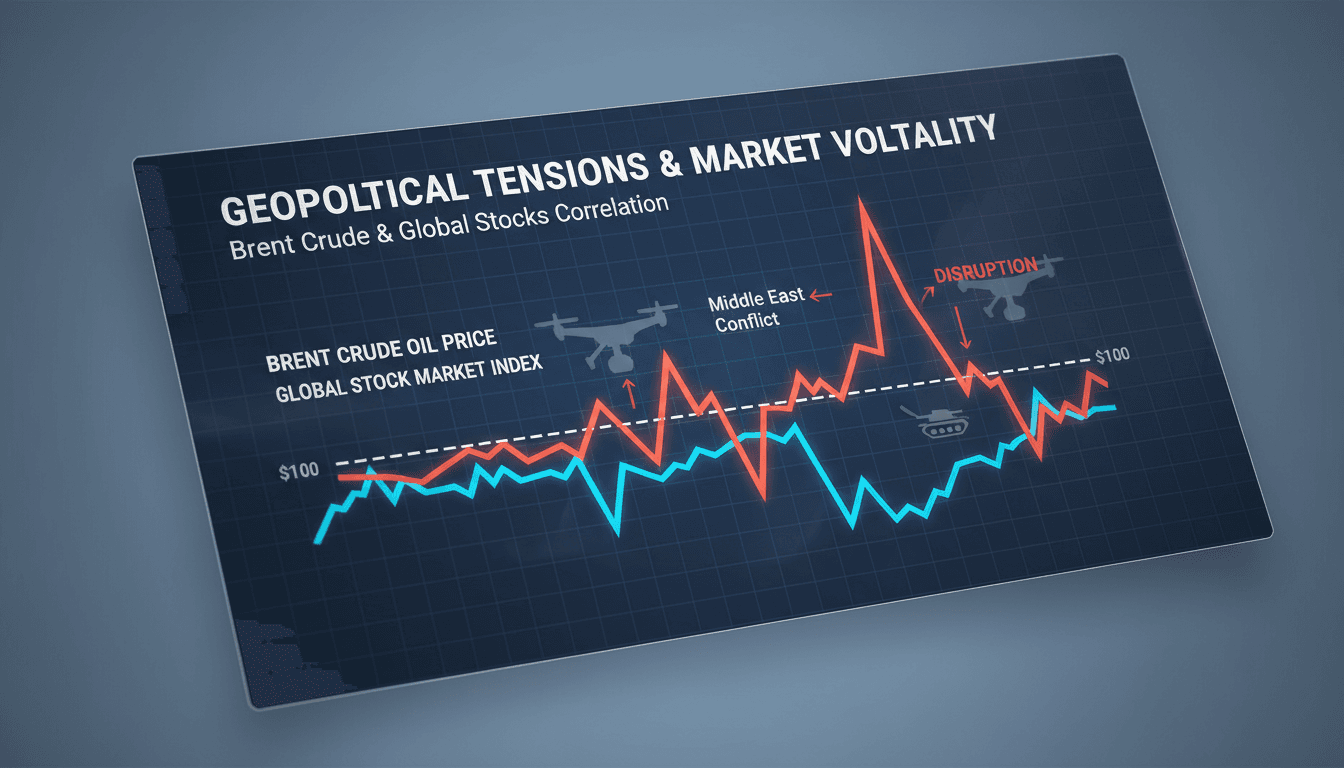
Brent crude oil prices surged past $100 a barrel before experiencing a decline back under that threshold. This volatility is primarily attributed to ongoing conflicts in the Middle East and strikes on Russian infrastructure in Ukraine, which are disrupting supply chains. The price rose by as much as seven percent before retreating by approximately four to five percent.
As a result of this fluctuation, US and European stock markets showed signs of stabilization following the retreat in oil prices. The immediate market response reflects the sensitivity of equities to changes in oil pricing, particularly during times of geopolitical uncertainty.
The Context
The current situation is shaped by significant geopolitical tensions, particularly in the Middle East and Ukraine, which are contributing to supply disruptions. The psychological barrier of $100 per barrel is crucial for traders, as it can influence market sentiment and trading strategies. The recent surge and subsequent decline in Brent crude prices illustrate the volatility that can arise from such conflicts.
Physical oil prices are reportedly nearing $110 due to these supply disruptions, further complicating the landscape for investors and policymakers alike. As the situation evolves, stakeholders must consider the broader implications for global market stability and investor confidence.
Takeaway
Looking ahead, market participants should prepare for continued volatility in oil prices as geopolitical tensions persist. Monitoring developments in the Middle East and Ukraine will be essential for understanding potential impacts on oil supply and pricing. Additionally, reactions in global stock markets will likely correlate with fluctuations in oil prices, making it crucial for investors to stay informed.
As the situation unfolds, the interplay between geopolitical events and market dynamics will remain a focal point for analysts and investors alike. The ongoing instability suggests that oil prices will continue to be a significant factor in shaping market sentiment in the near future.
Global markets, investing, and macroeconomics from a premier financial newsroom.
"Bloomberg is respected for in-depth financial reporting and data-driven analysis."
— A47 Editor
Oil Prices Volatile as Supply Disruptions Hit Four Global Fronts
Oil prices have experienced significant volatility, with Brent futures surpassing $100 a barrel amid escalating conflicts in the Middle East and Ukraine's strikes on Russian infrastructure. This surge reflects heightened geopolitical tensions that ar...
Regional coverage and analysis focused on politics, diplomacy, and business across the Middle East.
"Al-Monitor is known for analytical reporting on Middle East politics and policy developments."
— A47 Editor
Stock markets recover as oil retreats
The Brent North Sea oil price fell back under $100 on Friday after a significant surge the previous day, which was driven by escalating military tensions in the Middle East. This decline, approximately five percent to under $96 a barrel, contributed ...
Regional coverage and analysis focused on politics, diplomacy, and business across the Middle East.
"Al-Monitor is known for analytical reporting on Middle East politics and policy developments."
— A47 Editor
Mixed day for global equities as oil prices retreat
Global equity markets experienced a mixed day as Brent North Sea oil prices fell back under $100 after a significant surge the previous day, driven by escalating military tensions in the Middle East. Brent dropped approximately four percent to under ...
Regional and international reporting focused on Middle Eastern politics, diplomacy, and economics.
"Asharq Al-Awsat is a Saudi-owned international newspaper reflecting mainstream Gulf political perspectives."
— A47 Editor
Physical Oil Prices Jump with Some Nearing $110 as Iran, Ukraine Wars Hit Supply
Physical oil prices have surged, with some nearing $110 per barrel, driven by supply disruptions linked to ongoing conflicts in Iran and Ukraine. This spike reflects heightened geopolitical tensions that have raised concerns over energy security and ...