
Brent crude oil prices surge to $100 amid Middle East tensions
What happened
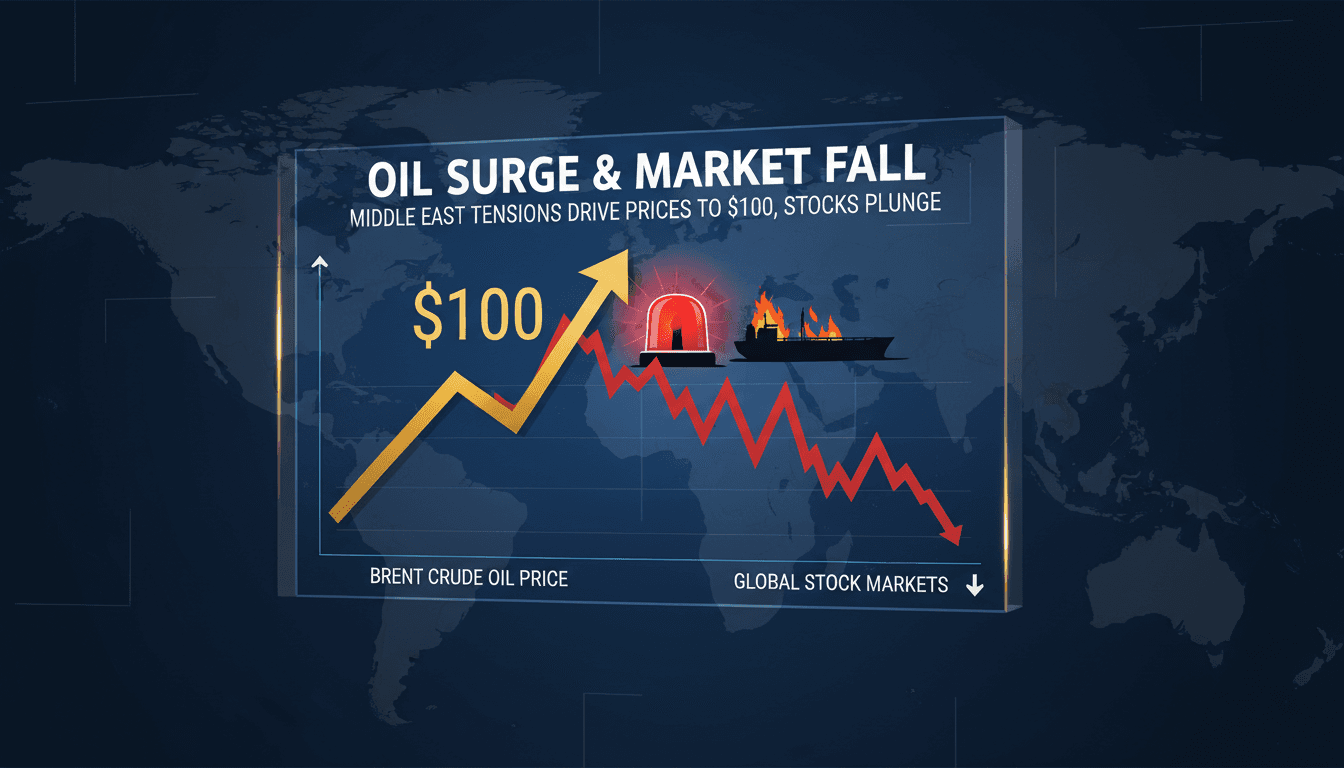
Brent crude oil prices have reached $100 per barrel, driven by escalating geopolitical tensions in the Middle East. This spike follows recent attacks on tankers by Houthi militants in the Red Sea, which have raised concerns about the stability of oil supply routes. The surge in oil prices has also triggered a negative reaction in the stock market, particularly impacting technology shares.
On July 23, 2026, the price of Brent crude hit this significant threshold, marking a critical moment for oil markets. The following day, July 24, 2026, the Nasdaq index experienced a notable drop of 2.2%, reflecting investor anxiety over the implications of rising oil prices.
The Context
The attacks by Houthi militants have heightened tensions in a region already fraught with geopolitical challenges. These developments are particularly concerning for global supply chains, as disruptions in oil supply can have far-reaching effects on economies worldwide. Major oil-producing nations are now under pressure to respond, which could further complicate the situation.
The timing of these events is crucial, as they coincide with a period of recovery for many economies post-pandemic. The potential for prolonged instability in oil supply raises questions about the resilience of global markets and the ability of policymakers to mitigate adverse effects.
Takeaway
As geopolitical tensions continue to rise, stakeholders should closely monitor developments in the Middle East and their impact on oil supply. The potential for further fluctuations in oil prices could destabilize not only the energy sector but also broader economic conditions. Investors and policymakers alike must remain vigilant, as responses from major oil-producing nations could shape the market landscape in the coming weeks.
In the near term, the focus will be on how these tensions evolve and whether they lead to significant changes in oil production or supply chain dynamics. The situation remains fluid, and its implications for global markets are yet to fully unfold.
Editor-curated FT homepage stories spanning markets, business, world, and opinion.
"The Financial Times is a globally respected business publication with a centrist/center-left tone and strong markets focus."
— A47 Editor
Oil hovers near $100 as Trump weighs ‘massive attack’
Oil prices are hovering near $100 per barrel as tensions escalate in the Middle East, particularly following attacks by Houthi militants on Saudi tankers in the Red Sea. This situation has raised concerns about potential disruptions in global oil sup...
Oil, metals, and agriculture: supply/demand headlines, OPEC chatter, inventories, and price action.
"Solid tape for energy and metals traders tracking macro and micro catalysts."
— A47 Editor
US energy shares gain as Houthi tanker attacks push Brent crude to $100
US energy shares have experienced gains as Brent crude oil prices surged to $100 per barrel, driven by recent attacks on Saudi tankers by Yemen's Houthi rebels in the Red Sea. This escalation in hostilities has raised significant concerns regarding t...
Markets desk coverage, trading insights, and investor updates.
"WSJ’s markets reporting provides in-depth analysis and context for investors."
— A47 Editor
Stock Market Today: Oil Prices Hit $100 a Barrel While Tech Selloff Deepens
The Nasdaq composite index fell by 2.2% as investors reacted to heavy AI spending by major tech companies like Tesla and Google, raising concerns about the sustainability of such investments amid rising oil prices, which have now reached $100 a barre...