
Surge in US gas prices driven by Iran conflict and new tariffs
What happened
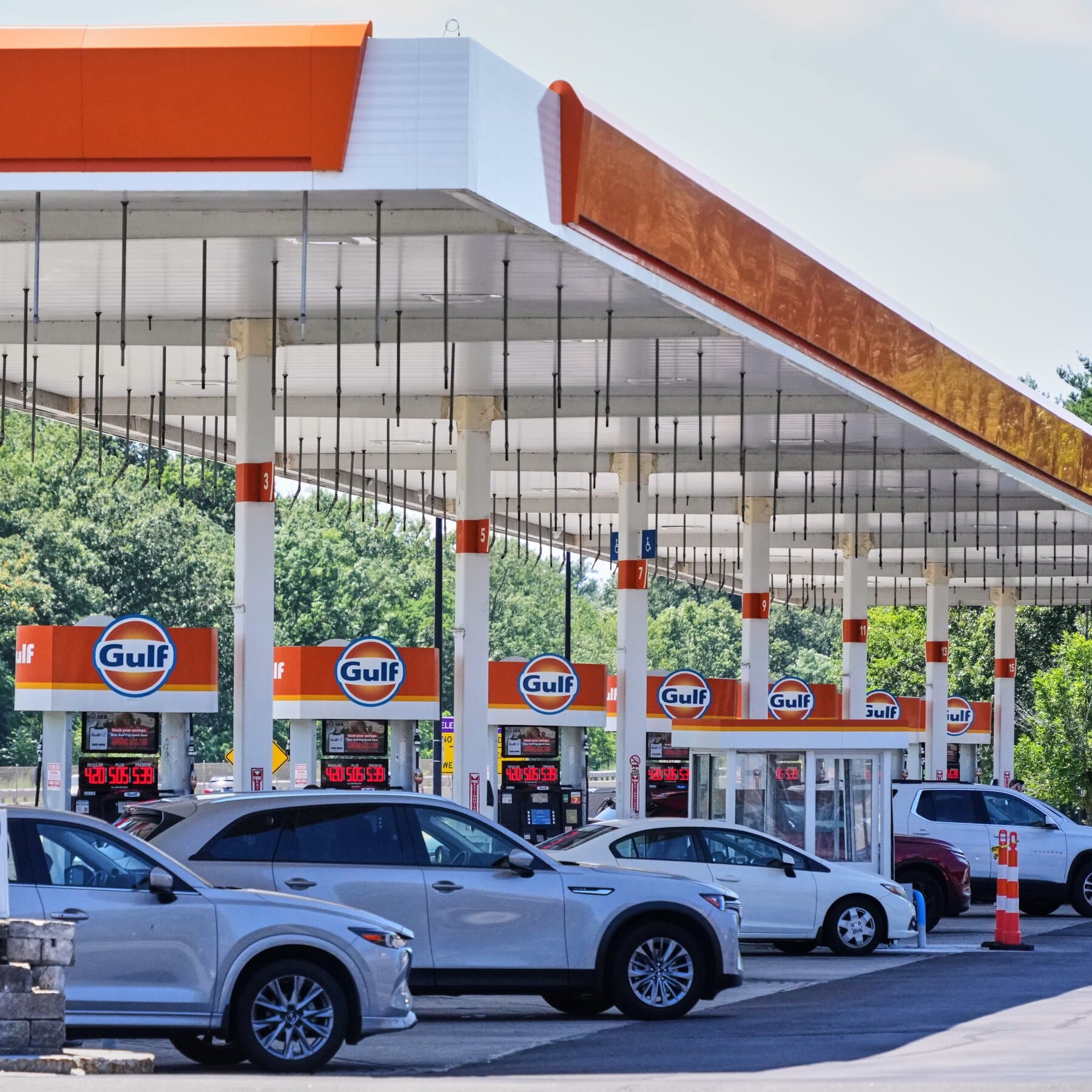
Gas prices in the United States have surged due to the ongoing conflict in Iran and new tariffs imposed by President Trump. The national average price for a gallon of gas has surpassed $4, raising alarms about potential economic instability. Trump's tariffs are expected to exacerbate inflationary pressures, further straining consumer finances.
At a recent rally, Trump acknowledged the rising prices, attributing them to actions taken by Iran. This acknowledgment highlights the direct link between international conflict and domestic economic conditions, as oil prices have now hit $100 a barrel, indicating significant inflationary pressure on the economy.
The Context
The interplay between international conflict and domestic economic policy is creating a challenging environment for U.S. consumers. The war in Iran is causing oil and gas prices to rise, while Trump's tariffs are contributing to increased costs for consumers. As these factors converge, the potential for sustained inflation looms large.
The timing of these developments is critical, as they coincide with a period of heightened economic uncertainty. Stakeholders, including consumers and policymakers, are closely monitoring the situation, as rising prices could prompt shifts in economic policy and consumer behavior.
Takeaway
As the situation in Iran evolves and tariffs remain in place, consumers may continue to face higher prices at the pump. This ongoing trend could lead to sustained inflation and higher living costs, prompting potential shifts in economic policy. Observers should watch for further developments in the Iran conflict and any responses from the U.S. government regarding economic measures.
The combination of geopolitical tensions and economic policies will likely shape the financial landscape for American households in the near future.
National headlines across the United States including breaking stories and societal issues.
"NBC News is a mainstream media outlet known for comprehensive national and international news coverage with a centrist to slightly left-leaning editorial tone."
— A47 Editor
Iran war and Trump tariffs fuel higher gas prices and renewed inflation risks
The ongoing conflict in Iran, coupled with tariffs imposed during Trump's administration, is driving up gas prices and reigniting inflation concerns in the U.S. The situation has escalated with increased military actions and threats from both the U.S...
Markets, economy, and company analysis from NYT’s business desk.
"The New York Times is a globally recognized newspaper offering authoritative reporting with a center-left editorial stance."
— A47 Editor
Iran War and Trump’s Tariffs Threaten a Resilient U.S. Economy
Renewed military tensions between the United States and Iran have led to a significant increase in oil and gas prices, with the national average price for a gallon of gas exceeding $4 this week, as reported by AAA. In response, President Trump has im...
Corporate leadership, finance, technology, and market trends.
"Fortune covers financial trends, leadership, and innovation with a pragmatic editorial approach."
— A47 Editor
Trump dismissed affordability as a word ‘made up by the Democrats’ and promised oil would come ‘tumbling down’—then it hit $100 a barrel
During a recent rally, former President Donald Trump acknowledged that Americans might be experiencing higher oil prices, which have now reached $100 per barrel, while he dismissed the term 'affordability' as a Democratic fabrication. He urged for mo...