
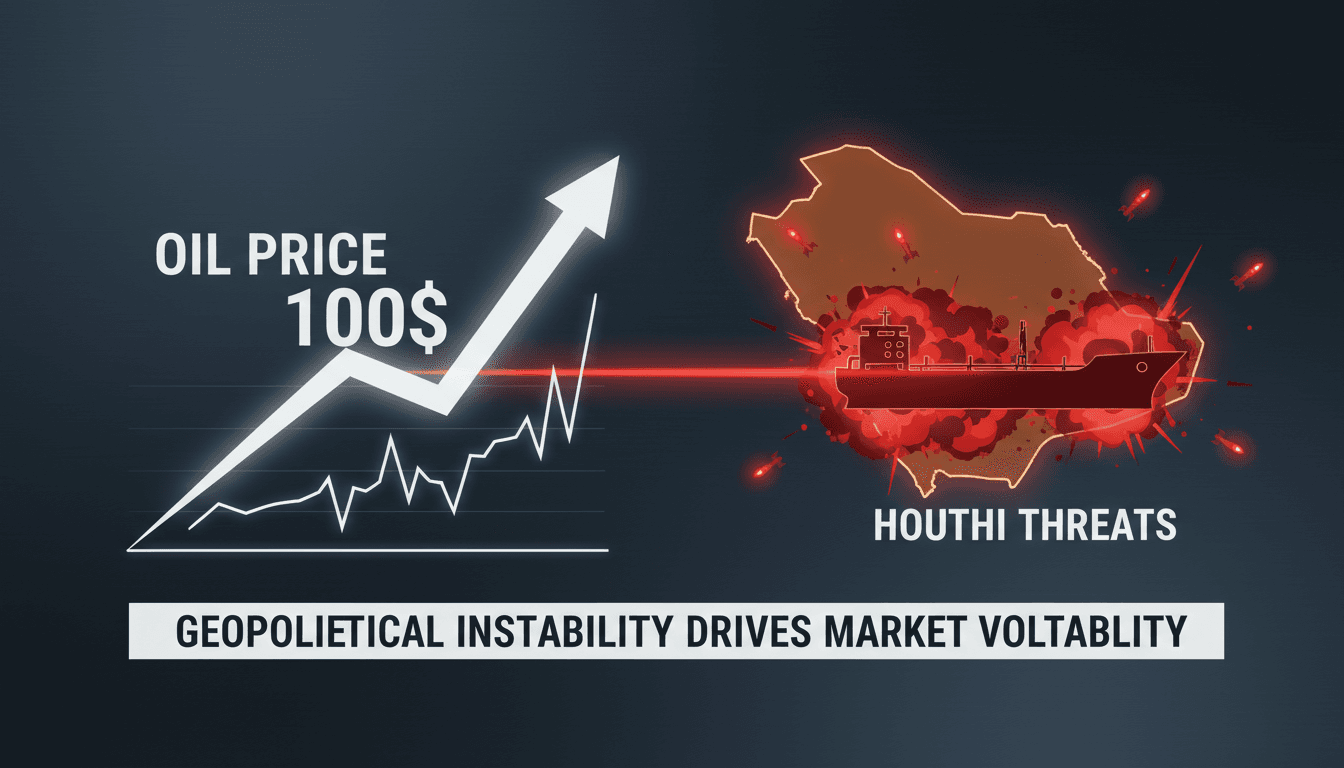
Oil prices exceed $100 a barrel amid Houthi threats to Saudi exports
Here's what it means for you.
The recent surge in oil prices, surpassing $100 a barrel, signals heightened geopolitical risks that could impact global markets. Investors and policymakers must remain vigilant as the situation in the Middle East evolves, particularly regarding Saudi oil exports. This volatility may lead to increased costs for consumers and businesses reliant on oil, affecting economic stability. As tensions escalate, the potential for further disruptions in oil supply chains looms large. Stakeholders across various sectors should prepare for fluctuating prices and consider strategies to mitigate risks associated with this instability.
What happened
Brent crude oil prices have recently exceeded $100 a barrel, driven by escalating threats from Houthi militias against Saudi oil exports. This price increase reflects a significant market reaction to geopolitical instability in the region. In just a few days, oil prices have surged by over 13%, indicating a strong response to fears of supply disruptions.
The Houthi militias have specifically targeted shipping routes in the Bab al-Mandab strait, a critical passage for oil transport. Despite the surge in prices, oil continues to traverse Middle East trade routes, although concerns about future disruptions remain prevalent.
The Context
The backdrop of this price spike is the ongoing conflict in the Middle East, where Houthi militias have increasingly threatened Saudi oil exports. The Bab al-Mandab strait is a vital chokepoint for global oil shipments, making any threats to this route particularly concerning for international markets. The recent escalation in hostilities has heightened fears of further disruptions, prompting a swift market reaction.
This situation underscores the sensitivity of oil prices to geopolitical tensions. As the conflict continues, stakeholders must consider the implications for global oil supply and pricing dynamics. The psychological threshold of $100 per barrel serves as a critical marker for market participants, reflecting the growing risks associated with Middle Eastern instability.
Takeaway
Looking ahead, the ongoing conflict in the region suggests that oil prices may remain volatile. Stakeholders should closely monitor developments related to Houthi activities and their potential impact on shipping routes. Additionally, responses from Saudi Arabia and international oil markets will be crucial in shaping the future trajectory of oil prices.
As tensions persist, the likelihood of further price increases remains high. Businesses and consumers alike should prepare for the potential economic ramifications of sustained volatility in oil markets.
Focused political reporting and governmental affairs.
"NBC News is a mainstream media outlet known for comprehensive national and international news coverage with a centrist to slightly left-leaning editorial tone."
— A47 Editor
Oil price surge as war with Iran expands
International oil prices surged past $100 a barrel following threats from Yemen's Houthi rebels against shipping in the Red Sea, marking a significant escalation in regional tensions. This development comes as the Houthis claimed responsibility for a...
Global markets, investing, and macroeconomics from a premier financial newsroom.
"Bloomberg is respected for in-depth financial reporting and data-driven analysis."
— A47 Editor
Latest Oil Market News and Analysis for July 24
Brent crude prices have recently retreated from $100 a barrel, despite ongoing tensions in the Middle East that have previously driven prices higher. The fluctuations in oil prices are attributed to military actions involving the U.S. and Iran, which...
UK and international business news, economics, and corporate coverage.
"The Guardian’s business section covers finance and markets with a progressive editorial tone."
— A47 Editor
How the Bab al-Mandab blockade threat helped push oil back above $100
The recent escalation of tensions in the Middle East has led to a significant increase in oil prices, with Brent crude surpassing $100 per barrel. This surge follows threats from Yemen's Houthi militias to blockade the Bab al-Mandab strait, a crucial...
Top international stories selected by The Guardian editors.
"The Guardian is known for its progressive editorial stance and in-depth analysis."
— A47 Editor
How the Bab al-Mandab blockade threat helped push oil back above $100
The recent escalation of tensions in the Middle East has led to a significant increase in oil prices, with Brent crude surpassing $100 per barrel. This surge follows threats from Yemen's Houthi militias to blockade the Bab al-Mandab strait, a crucial...
UAE-based English-language newspaper covering regional politics, economics, and global affairs.
"The National reflects Emirati policy perspectives while maintaining international editorial standards."
— A47 Editor
Oil hits $100 for the first time since May after Houthi attacks on Saudi ships in Red Sea
Oil prices have surged to $100 per barrel for the first time since May, following recent Houthi attacks on Saudi oil tankers in the Red Sea. The Houthi rebels claimed responsibility for these strikes, asserting that the vessels violated their maritim...
UAE-based English-language newspaper covering regional politics, economics, and global affairs.
"The National reflects Emirati policy perspectives while maintaining international editorial standards."
— A47 Editor
Oil rises above $96 per barrel after Houthi attacks on Saudi ships in Red Sea
Oil prices have surged above $96 per barrel following recent Houthi attacks on Saudi ships in the Red Sea. The Houthi rebels claimed responsibility for strikes on two Saudi oil tankers, asserting that these vessels violated their maritime blockade ag...