
Gold prices rise as U.S. pauses military actions against Iran
What happened
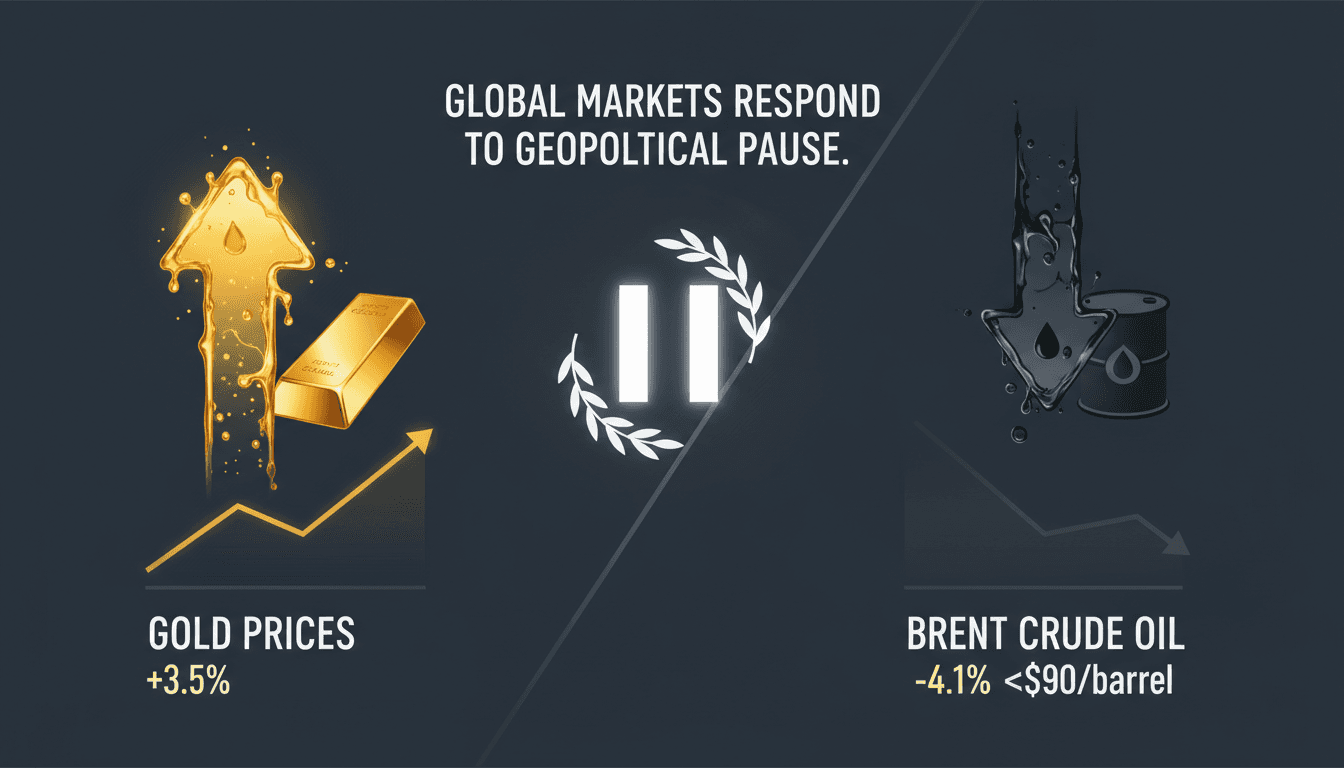
Gold prices have risen following the U.S. decision to pause military strikes against Iran. This development has alleviated concerns regarding inflation and oil supply risks, resulting in a significant drop in Brent crude oil prices, which fell below $90 a barrel. The market's reaction indicates a shift in investor sentiment as they respond to the changing geopolitical landscape.
The pause in military actions occurred on July 26, 2026, and was quickly followed by the rise in gold prices and the decline in oil prices the next day. This sequence of events highlights the interconnectedness of geopolitical stability and market dynamics, particularly in commodities like gold and oil.
The Context
The easing of military tensions between the U.S. and Iran has significant implications for global markets. The pause in fighting has reduced inflationary pressures, which had been a growing concern among investors. With Brent crude oil prices dropping significantly, market participants are closely monitoring the situation for any further developments that could affect supply and pricing.
The Federal Reserve's upcoming announcements will also play a crucial role in shaping market expectations. As stakeholders assess the implications of these geopolitical changes, the focus will remain on how they influence monetary policy and economic stability.
Takeaway
Looking ahead, market participants should remain vigilant regarding the Federal Reserve's upcoming speech and decisions, as well as any further developments in U.S.-Iran relations. The current geopolitical climate is fluid, and any shifts could have immediate repercussions on inflation and market dynamics. Investors will need to navigate these uncertainties carefully to make informed decisions.
As the situation evolves, the interplay between geopolitical events and economic indicators will continue to shape market sentiment and investment strategies.
U.S. business news, corporate developments, and economy.
"The Wall Street Journal is respected for deep financial and economic reporting with a center-right editorial perspective."
— A47 Editor
Gold Rises as U.S. Pauses Iran Strikes, With Focus on Fed Speech
Gold prices have risen following the U.S. decision to pause military strikes against Iran, which has contributed to a decline in Brent crude oil prices below $90 a barrel. This pause marks a significant moment in the ongoing geopolitical tensions in ...
Pan-Arab news coverage spanning politics, business, sports, and regional affairs.
"Asharq Al-Awsat reflects a broad Arab editorial perspective with strong attention to regional geopolitics."
— A47 Editor
الذهب يرتفع مع انحسار التوترات الأميركية - الإيرانية وترقب قرار «الفيدرالي»
Gold prices rose on Monday as tensions between the United States and Iran eased, leading to a sharp decline in oil prices and alleviating inflation-related concerns.
Global markets, investing, and macroeconomics from a premier financial newsroom.
"Bloomberg is respected for in-depth financial reporting and data-driven analysis."
— A47 Editor
Gold Climbs as Pause in Mideast Fighting Curbs Inflation Risk
Gold prices have increased following a pause in military actions between the U.S. and Iran, which has alleviated concerns regarding oil supply disruptions and inflation risks. This development comes after a weekend of reduced hostilities, leading to ...