
Brent crude oil prices fall below $83 amid U.S.-Iran tensions
Here's what it means for you.
The recent decline in Brent crude oil prices signals a significant shift in the energy market, driven by easing geopolitical tensions between the U.S. and Iran. For investors and stakeholders, this drop below $83 per barrel could indicate a period of increased volatility, impacting global energy economics. As the situation evolves, market participants should remain vigilant to potential fluctuations in supply dynamics.
What happened
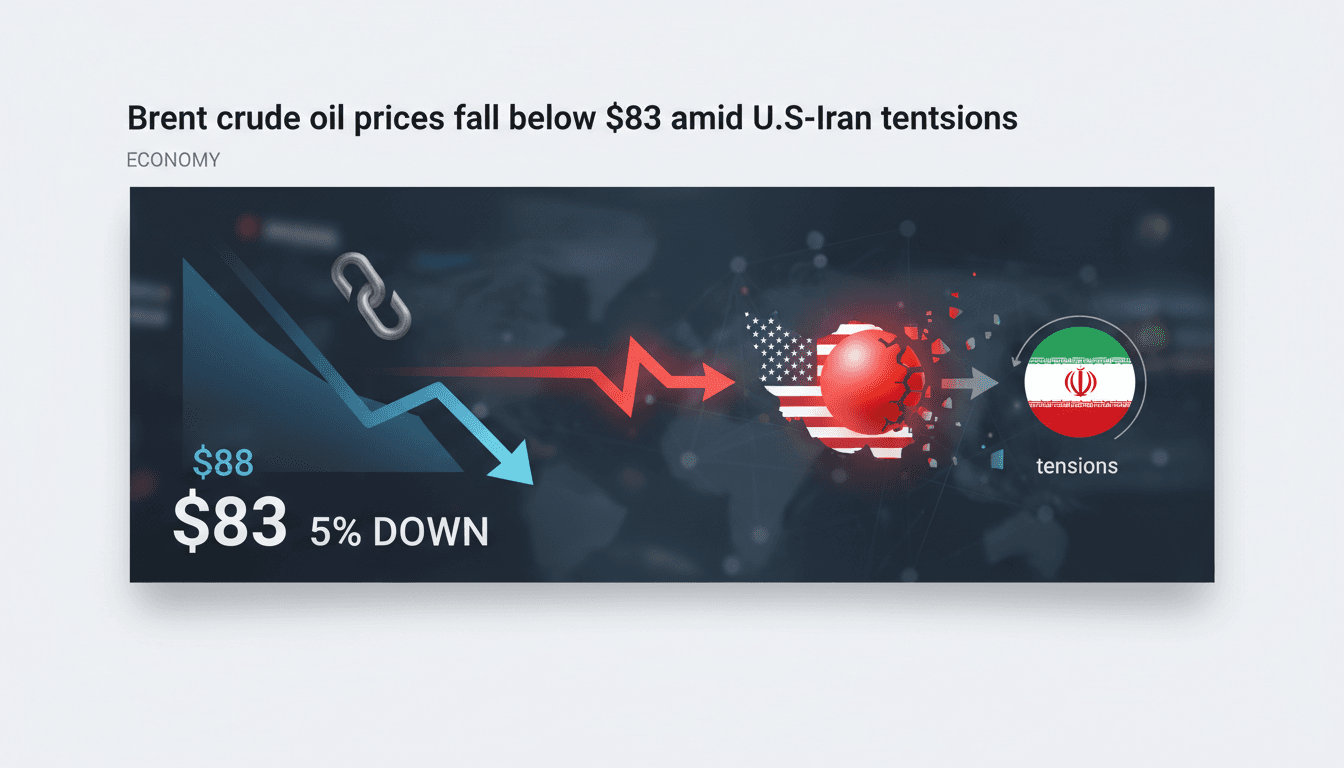
Brent crude oil prices have fallen by more than 5%, dipping below $83 per barrel for the first time since mid-July 2026. This notable decline follows a series of heightened tensions and military exchanges between the United States and Iran. The price drop reflects market reactions to these geopolitical developments, suggesting a shift in investor sentiment.
The decline in oil prices is significant, marking one of the largest drops in recent weeks. Analysts are closely monitoring the situation, as the implications for global energy supplies could be substantial. The current market environment underscores the fragility of oil prices amid ongoing geopolitical uncertainties.
The Context
The recent drop in Brent crude prices is closely linked to reduced tensions between the U.S. and Iran, which have historically influenced oil market stability. Stakeholders in the energy sector are acutely aware of how geopolitical events can affect supply and demand dynamics. The timing of this price drop is critical, as it follows a period of military exchanges that had previously heightened market anxiety.
As the situation develops, the energy market remains on edge, with potential implications for both consumers and producers. The fragility of oil prices highlights the interconnectedness of global politics and energy economics. Stakeholders must navigate these complexities as they assess future market conditions.
Takeaway
Looking ahead, it is essential to monitor developments in U.S.-Iran relations, as any shifts could significantly impact oil supply and pricing. Market reactions to new economic data or geopolitical events will also be crucial in determining the trajectory of oil prices. The ongoing volatility in the oil market suggests that stakeholders should prepare for further fluctuations.
As geopolitical tensions continue to influence the energy landscape, the potential for shifts in supply dynamics remains high. Investors and policymakers alike must stay informed to adapt to these changing conditions effectively.
Jordanian news and regional updates.
"Roya News is a Jordanian outlet focused on breaking news and local affairs."
— A47 Editor
عقود برنت الآجلة تهبط بأكثر من 5% وتتراجع دون مستوى 84 دولارًا
Brent crude futures have experienced a significant decline, dropping by more than 5% and falling below the $84 per barrel mark. This sharp drop is noted as one of the most prominent decreases in recent trading sessions.
Arabic-language coverage of international news and geopolitics.
"RT Arabic is a Russian state-funded outlet often criticized for promoting Kremlin-aligned narratives."
— A47 Editor
سعر خام "برنت" يهبط دون 83 دولارا للبرميل لأول مرة منذ 13 يوليو 2026
Oil prices continued to decline on Tuesday, with Brent crude falling below $83 per barrel for the first time since July 13, 2026. This drop is occurring amid hopes for a resolution to the ongoing conflict between the United States and Iran, which has...
Arabic-language coverage of international news and geopolitics.
"RT Arabic is a Russian state-funded outlet often criticized for promoting Kremlin-aligned narratives."
— A47 Editor
النفط يعمق خسائره وخام "برنت" يهبط بنحو 7%
Oil prices dropped by approximately 7% on Monday following the cessation of hostilities between the United States and Iran, which had escalated over the past two weeks. This decline reflects the market's response to geopolitical tensions and their im...
Arabic-language economic and business reporting with strong UAE market relevance.
"Emarat Al Youm business coverage often centers UAE property, banking, consumer issues, and economic policy."
— A47 Editor
أسعار النفط تهبط بأكثر من 5% و"برنت" دون 92 دولارا أسعار النفط تهبط بأكثر من 5% و"برنت" دون 92 دولارا
Oil prices continued to decline today, dropping by more than 5%. Brent crude futures fell by $5.58, bringing the price below $92 per barrel. This significant decrease reflects ongoing volatility in the oil market.